

Umm Qais City
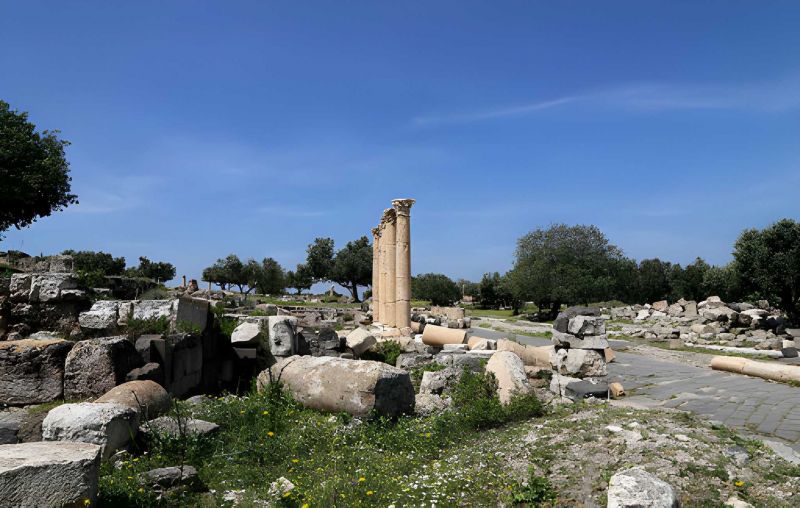
Umm Qais City: The Ancient Gem of Northern Jordan Overlooking History and Beauty
Perched dramatically on a hilltop in northwest Jordan, Umm Qais City stands as a stunning testament to millennia of human civilization and ingenuity. Known in ancient times as Gadara, this city was one of the fabled Decapolis cities of the Greco-Roman era. Today, Umm Qais attracts travelers, historians, and culture enthusiasts eager to explore its basalt ruins, panoramic landscapes, and enduring charm. Overlooking the Sea of Galilee, the Yarmouk River, and the Golan Heights, the city seamlessly blends breathtaking scenery with archaeological wonder. A visit here feels like stepping into a living museum, where Roman colonnades meet Ottoman architecture, and every stone whispers tales from antiquity.
Located just 120 kilometers north of Amman, Umm Qais City offers visitors not only a glimpse into ancient Jordanian history but also an escape to a tranquil countryside brimming with olive groves and traditional hospitality. From the Umm Qais archaeological site to the surrounding natural beauty, every part of this destination promises to enthrall curious minds and adventurous spirits. Whether you’re fascinated by Roman theatres, Byzantine mosaics, or panoramic viewpoints, Umm Qais is a treasure trove of experiences waiting to be uncovered.
The Historical Significance of Umm Qais: From Gadara to Modern Heritage
Umm Qais City’s roots trace back to the 3rd century BCE, when it flourished as Gadara—a center of Hellenistic culture and philosophy. The city was home to famous intellectuals like the poet Meleager and philosopher Menippus, making it a beacon of artistry and thought in the ancient world. Its position along trade routes connecting Syria, Palestine, and Egypt gave it immense strategic and economic importance. Over time, Roman influence sculpted the city’s identity, leaving behind magnificent structures that still dominate the skyline.
The Romans left an indelible mark on Umm Qais through their architectural genius. Visitors wander through the Theatres of Umm Qais, which once hosted thousands of spectators enjoying performances under the open sky. The city’s Roman streets, lined with basalt columns, evoke a sense of grandeur that few places in Jordan can rival. Later, Byzantine and Islamic civilizations added layers of cultural and religious diversity, turning Umm Qais into a rich mosaic of historical influences that continue to shape Jordan’s identity today.
The Architectural Marvels of Umm Qais
Every inch of Umm Qais City echoes with architectural brilliance. The basalt ruins of Umm Qais are among the best-preserved in the region, offering insight into ancient urban planning and craftsmanship. The black basalt stones, unique to this area, give the ruins a dark yet elegant beauty, contrasting dramatically against the golden Jordanian hills.
The colonnaded streets of Umm Qais remain among the most photogenic remnants of the Roman era. Walking these streets under the warm Mediterranean sun feels almost poetic, as you trace the same path once trodden by philosophers and merchants. The city’s thermal baths, nymphaeums, and ancient gates further reveal how advanced and culturally sophisticated its inhabitants were. Each structure tells a different story—from public life and entertainment to religion and architecture—offering a complete picture of Gadara’s splendor.
Panoramic Beauty: Nature and Geography of Umm Qais
Umm Qais City isn’t just about ruins; it’s also about unmatched natural beauty. Standing at its panoramic viewpoints, visitors can gaze across three countries—Jordan, Israel, and Syria. The panoramic viewpoints of Umm Qais offer sweeping views of the Sea of Galilee, the Golan Heights, and the Yarmouk River Valley, creating a breathtaking tableau of geography and history. The cool breeze and the sight of distant mountains bathed in sunlight create an unforgettable sensory experience.
Nature lovers often combine their historical exploration with outdoor adventures, hiking through olive groves or birdwatching along the Yarmouk River. The nearby villages radiate authentic Jordanian warmth, offering local delicacies like olive oil, fresh bread, and handmade cheeses. The city’s environment fosters a deep connection with nature—where history, culture, and landscape merge harmoniously.
Modern Tourism and Cultural Revival in Umm Qais
Today, Umm Qais City has evolved into a symbol of cultural preservation and sustainable tourism. The Jordanian government, alongside local communities, works tirelessly to maintain and restore its archaeological wonders while promoting eco-friendly tourism. Visitors can explore the site’s museum, which houses artifacts unearthed from nearby excavations, providing insight into daily life thousands of years ago.
Beyond archaeology, Umm Qais has become a center for artistic and cultural revival. Local initiatives encourage art exhibitions, cultural performances, and heritage festivals that celebrate the city’s multifaceted past. Tourists can enjoy authentic Jordanian hospitality, stay in boutique guesthouses, and dine with scenic views of the valley. With its blend of antiquity and modern charm, Umm Qais captures the essence of Jordanian identity—where heritage and progress meet seamlessly.
Umm Qais City and Nearby Attractions
Due to its strategic location, Umm Qais City serves as a perfect starting point for exploring northern Jordan. Many travelers include it in their Egypt and Jordan Tours, combining the ancient wonders of the Nile with the mystique of the Decapolis. From Umm Qais, visitors can journey to Jerash City, another marvel of Roman engineering, or venture toward Jordan Tours destinations like Amman, Madaba, and Petra.
Nature enthusiasts can continue south toward the Dead Sea City to experience therapeutic mineral-rich waters, or explore the majestic deserts of Wadi Rum City. For those fascinated by ancient civilizations, combining Umm Qais with the Amman Citadel creates a powerful narrative of Jordan’s continuous role in shaping human history.
Local Traditions and Lifestyle in Umm Qais
The people of Umm Qais City are known for their warm hospitality and deep-rooted traditions. The local culture reflects centuries of coexistence between ancient and modern influences. Visitors often engage in home-hosted meals, where families proudly serve traditional dishes such as mansaf, maklouba, and fresh mezze. The blend of Mediterranean flavors and Levantine cuisine makes dining here an experience in itself.
Artisans still craft pottery, textiles, and olive-wood carvings, preserving techniques passed down through generations. The town’s markets offer handmade goods that reflect Jordan’s proud cultural heritage, while the scent of coffee and cardamom fills the air. Every corner of Umm Qais feels alive with authenticity, inviting travelers to slow down and savor the rhythm of local life.
Why Umm Qais City Should Be on Every Traveler’s Itinerary
Umm Qais City offers an extraordinary blend of archaeology, landscape, and culture that few destinations can replicate. It’s a place where history isn’t just observed—it’s felt. The ancient stones, the sweeping views, and the heartfelt hospitality come together to create a travel experience that lingers long after you leave.
For those seeking an enriching journey through Jordan’s northern treasures, Umm Qais is a jewel that deserves more attention. Whether you’re walking through Roman theatres, exploring Byzantine remains, or watching the sunset over the Sea of Galilee, this timeless city leaves an indelible mark on every visitor.
Frequently Asked Questions About Umm Qais City
What is the best time to visit Umm Qais City?
The ideal time to visit Umm Qais is during spring (March to May) and autumn (September to November) when the weather is mild and the landscapes are lush. The pleasant temperatures make exploring the archaeological site and surrounding countryside more enjoyable.
How can I reach Umm Qais City from Amman?
Umm Qais lies approximately 120 kilometers north of Amman. Travelers can rent a car, join a guided tour, or take public transport to the nearby city of Irbid, from where taxis or local buses head to Umm Qais. The journey takes around two hours, depending on traffic.
What are the top attractions in Umm Qais?
The main attractions include the Roman theatres, basalt ruins, colonnaded streets, the archaeological museum, and the panoramic viewpoints overlooking the Sea of Galilee. The surrounding villages also offer cultural experiences and scenic trails.
Is Umm Qais City part of the Decapolis?
Yes, Umm Qais—known in antiquity as Gadara—was one of the ten cities of the Decapolis, a group of Hellenistic cities that flourished under Roman rule. Its inclusion highlights its historical and cultural significance during the Greco-Roman period.
Can I visit Umm Qais as part of a tour package?
Absolutely! Many regional packages, including Egypt and Jordan Tours and other Jordan itineraries, feature Umm Qais as a highlight destination. It’s often combined with visits to Jerash, Amman, and Petra, forming a comprehensive exploration of Jordan’s ancient heritage.


