

Amman Citadel
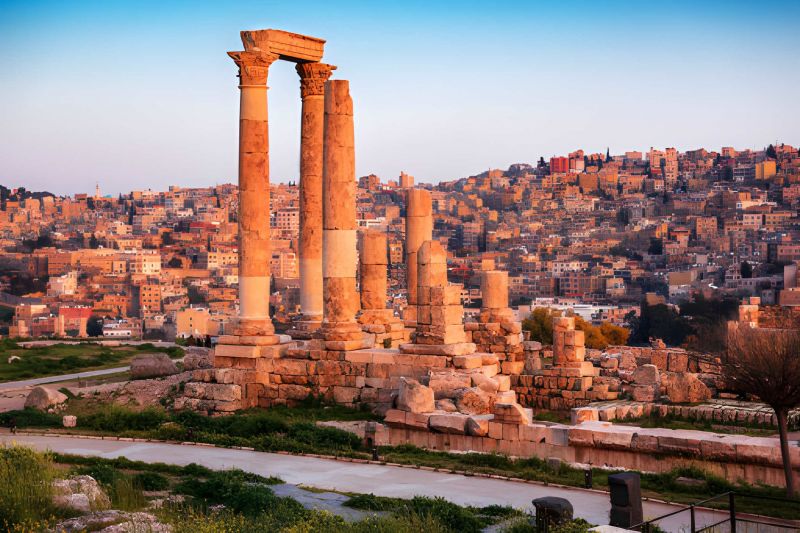
Amman Citadel: The Timeless Crown Jewel of Jordan’s Capital
Perched dramatically atop Jebel al-Qala’a, the Amman Citadel stands as a proud sentinel over Jordan’s bustling capital, whispering tales of civilizations that once flourished in its shadow. This ancient site, one of the oldest continuously inhabited places on earth, encapsulates over 7,000 years of history. From the Ammonites and Romans to the Byzantines and Umayyads, every stone within its walls tells a chapter of human triumph, faith, and resilience. The panoramic views of Amman City below enhance the site’s allure, making it a must-see destination for history lovers, photographers, and cultural explorers alike.
As travelers ascend the slopes of the Citadel Hill, they’re greeted by the haunting beauty of ruins that have defied time, including the Temple of Hercules, the Umayyad Palace, and the Byzantine Church. Each structure reveals the site's multifaceted past, blending Greco-Roman grandeur with Islamic artistry. Beyond its archaeological treasures, the Amman Citadel offers a rare window into Jordan’s evolving identity—a bridge between the ancient and the modern, where the call to prayer echoes across ruins older than recorded history.
The Historical Significance of Amman Citadel
The Amman Citadel, known locally as Jabal al-Qal’a, has been inhabited since the Bronze Age, serving as a strategic and cultural hub for countless empires. Its elevated location provided natural defense and a commanding view of the surrounding valleys, making it indispensable to ancient rulers. Archaeological findings suggest that the site once hosted the royal palace of Rabbath Ammon, capital of the Ammonite Kingdom, from which Amman derives its name.
During the Roman era, Amman Citadel flourished as Philadelphia, one of the ten cities of the Decapolis. The Romans left behind monumental architecture, including the Temple of Hercules, a structure so imposing that even its ruins evoke reverence. Later, the Byzantines built churches on the same ground, and the Umayyads transformed it yet again with their palatial architecture. This layering of civilizations created an extraordinary archaeological tapestry—a living museum of human endeavor and spiritual devotion.
Architectural Marvels and Archaeological Discoveries
The Amman Citadel brims with architectural splendor and archaeological intrigue. The centerpiece, the Temple of Hercules, dates back to the 2nd century AD and was dedicated to the Roman hero revered for his strength and valor. Massive columns, once over 10 meters tall, dominate the skyline, while the remnants of a colossal statue suggest the temple’s former grandeur. Nearby, the Umayyad Palace, with its striking domed audience hall, showcases early Islamic architectural prowess, echoing elements found in desert castles like Qasr Amra and Qasr Kharanah.
The Byzantine Church, built in the 6th century, reveals intricate mosaics and stone carvings that attest to the craftsmanship of its builders. Scattered throughout the site lie cisterns, walls, and gates—remnants of earlier civilizations that valued the Citadel’s prominence. Excavations by archaeologists from around the world continue to unearth artifacts that reshape our understanding of the region’s historical significance.
The Umayyad Palace: A Testament to Early Islamic Artistry
The Umayyad Palace complex is among the Citadel’s crowning jewels, offering a glimpse into the sophistication of early Islamic architecture. Built in the 8th century, the palace served as a governor’s residence, complete with administrative halls, living quarters, and a grand audience chamber crowned by a reconstructed dome. The design showcases the seamless blend of Roman-Byzantine influences with emerging Islamic motifs. Intricate stucco decorations, marble inlays, and geometric designs highlight the cultural fusion that defined the era.
Visitors entering the palace are immediately drawn to its monumental gateway and the spacious courtyard beyond—symbols of both power and hospitality. The surviving bathhouse hints at refined Umayyad lifestyles and their keen interest in comfort and aesthetics. This architectural marvel resonates deeply with those exploring other Islamic sites across Jordan, from the Kerak Castle to the desert fortresses of Azraq.
The Temple of Hercules: A Colossal Roman Legacy
No visit to the Amman Citadel is complete without marveling at the Temple of Hercules. Constructed during the reign of Emperor Marcus Aurelius, this temple was likely dedicated to the divine protector of the city. The remaining columns, some of the largest in the Middle East, stand as fragments of a structure that once rivaled the Parthenon in grandeur. Archaeologists believe a massive statue of Hercules once towered within its walls, with only a few fingers and an elbow surviving today.
Standing before these ancient pillars at sunset, one can almost feel the pulse of ancient Rome and its enduring influence on Jordan’s cultural landscape. The temple’s scale and craftsmanship serve as a reminder that Amman was once a thriving center of Hellenistic and Roman civilization.
The Jordan Archaeological Museum: Guardian of Timeless Relics
Located within the Citadel grounds, the Archaeological Museum houses an extraordinary collection of artifacts unearthed across Jordan. From prehistoric tools and Bronze Age pottery to the Dead Sea Scroll fragments and Nabataean sculptures, the museum narrates Jordan’s vast historical continuum. The museum’s highlight is the Ain Ghazal statues—among the oldest known human figures ever discovered, dating back to 7500 B.C.
This museum elevates the visitor experience, connecting the ruins outside with the relics inside, and providing invaluable insights into the daily lives, beliefs, and artistic expression of ancient Jordanians.
Panoramic Views and Modern Connections
The Citadel’s vantage point offers a breathtaking panorama of Amman’s seven hills, where modern life unfolds around age-old monuments. As you gaze upon the Roman Theatre below—another ancient marvel—you can truly appreciate the city’s layered history. The contrast between the Citadel’s silent ruins and the city’s bustling streets symbolizes Jordan’s harmonious coexistence of past and present.
The Amman Citadel isn’t just an archaeological site; it’s an experience that connects travelers to Jordan’s soul. Its weathered stones and timeless aura invite reflection, curiosity, and awe—a journey back in time and a celebration of continuity.
Visitor Experience: Exploring the Amman Citadel
Exploring the Citadel is a sensory experience that goes beyond sightseeing. Visitors can wander along ancient pathways, touch millennia-old stones, and watch the sun dip behind Amman’s skyline. Informational plaques and guided tours help decipher the layers of history, while the site’s serenity provides a welcome escape from the city’s lively rhythm. Many combine their visit with other nearby attractions like the Jordan Tours or extended regional journeys such as Egypt and Jordan Tours, exploring the broader narrative of ancient civilizations that shaped the Middle East.
Evening visits are particularly magical, offering golden light that accentuates the stone textures and panoramic cityscape. The Citadel’s elevated position also makes it a prime spot for photographers seeking to capture Amman’s charm from above.
Preservation Efforts and Global Recognition
Jordan’s Department of Antiquities, with support from international institutions, continues to preserve and restore the Amman Citadel’s structures. Conservation projects have stabilized walls, reinforced columns, and reconstructed sections of the Umayyad Palace dome. These ongoing efforts ensure that future generations can witness the splendor of this heritage site.
The Amman Citadel’s historical and cultural importance has earned it recognition as part of Jordan’s national identity and its promotion on global heritage circuits. It stands as a testament to humanity’s resilience, adaptability, and creativity across epochs.
Frequently Asked Questions About Amman Citadel
1. What is the Amman Citadel famous for?
The Amman Citadel is famous for its ancient ruins, including the Temple of Hercules, the Umayyad Palace, and Byzantine churches. It’s one of the world’s oldest continuously inhabited sites, offering sweeping views of Jordan’s capital and housing the Archaeological Museum with relics from prehistoric to Islamic periods.
2. How old is the Amman Citadel?
The Amman Citadel has been inhabited for over 7,000 years, dating back to the Bronze Age. Over the centuries, it’s been occupied by the Ammonites, Romans, Byzantines, and Umayyads, each contributing distinct architectural and cultural layers.
3. What are the main attractions within the Amman Citadel?
The main attractions are the Temple of Hercules, the Umayyad Palace complex, the Byzantine Church, and the Jordan Archaeological Museum. Visitors also enjoy panoramic city views and the nearby Roman Theatre, all of which illustrate Amman’s multilayered history.
4. How can travelers reach the Amman Citadel?
Travelers can reach the Citadel easily from downtown Amman by taxi, private car, or guided tour. Many regional tours, such as the 5 Day Jordan Tour or the 6 Days Luxury Jordan Tour, include the Citadel as a highlight stop.
5. When is the best time to visit the Amman Citadel?
The best time to visit is during spring (March to May) and autumn (September to November) when temperatures are mild and skies are clear. Early morning and late afternoon visits offer comfortable weather and the most stunning photographic conditions.
Ultimately, the Amman Citadel remains a timeless symbol of Jordan’s enduring heritage. Whether you’re a dedicated historian, a casual traveler, or a seeker of breathtaking views, this ancient hilltop invites you to walk through history, relive forgotten eras, and feel the heartbeat of a civilization that still echoes through its stones.


