

Umm Qais archaeological site
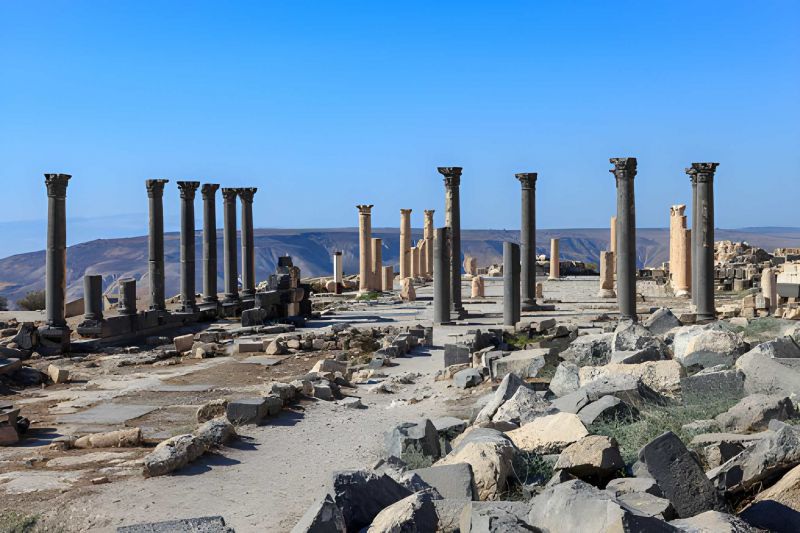
Umm Qais Archaeological Site: Jordan’s Hidden Gem of Greco-Roman History
Perched dramatically atop a hill overlooking the Jordan Valley, the Umm Qais archaeological site—ancient Gadara—is one of Jordan’s most captivating cultural treasures. This enchanting destination offers a rare window into centuries of continuous human civilization, where Hellenistic, Roman, Byzantine, and Ottoman influences converge. The site’s breathtaking panoramic views stretch across the Yarmouk River Gorge toward the Golan Heights, Lake Tiberias, and the Sea of Galilee, blending natural beauty with immense archaeological significance. Umm Qais is more than a collection of ruins; it’s a living story carved in basalt and limestone, whispering tales of poets, philosophers, and empires long gone.
Travelers exploring Jordan’s historical wonders often find Umm Qais to be a peaceful alternative to the crowded Petra City or Jerash City. It’s a place where history feels tangible—where basalt ruins gleam under golden sunlight, and time itself seems to pause. Whether you’re a history enthusiast, a photographer, or simply someone longing for an authentic Jordanian experience, Umm Qais delivers a journey through time. The Umm Qais archaeological site stands as a testament to human creativity, resilience, and the boundless spirit of discovery that shaped Jordan’s ancient landscapes.
The Historical Significance of Umm Qais Archaeological Site
Umm Qais, ancient Gadara, was once a member of the Decapolis—a federation of ten Greco-Roman cities that flourished during the first centuries BC and AD. Known for its intellectual vibrance, Gadara was home to scholars and philosophers who contributed to the cultural richness of the Hellenistic world. The city thrived as a center for arts, philosophy, and trade, benefiting from its strategic location overlooking fertile lands and vital trade routes. Today, the Umm Qais archaeological site preserves this illustrious past through its awe-inspiring ruins that narrate stories of cultural exchange and architectural brilliance.
The city’s fame extended throughout the Roman Empire, rivaling the grandeur of Roman Theatre sites across the region. Visitors walking through the Roman colonnades can almost imagine ancient citizens strolling in togas, debating philosophy, or attending plays. The meticulous urban planning visible at Umm Qais reflects the Romans’ genius for city design, showcasing paved streets, theaters, bath complexes, and temples. Every stone at this archaeological site tells a part of Gadara’s story—a story of ambition, art, and adaptation across changing empires.
Architectural Marvels: Discovering the Ruins of Umm Qais
The Basalt ruins of Umm Qais form one of the most striking features of the site. The dark volcanic stone contrasts beautifully with limestone remnants, creating a rich visual tapestry that captures both the eye and the imagination. Among these ruins stand the well-preserved Theatres of Umm Qais. The western theater, carved entirely from black basalt, could seat around 3,000 spectators. Its acoustics remain impressive even today, making it an evocative venue for modern cultural performances and festivals.
Beyond the theaters, the Colonnaded streets of Umm Qais lead visitors through the city’s ancient heart, where shops, fountains, and temples once flourished. The precision of Roman engineering is evident in the drainage systems, basalt paving, and the alignment of structures adapted to the city’s sloping terrain. The remnants of a grand basilica, Byzantine churches, and Ottoman-era houses weave together layers of history that span more than a millennium. Every step through Umm Qais’s archaeological site reveals a dialogue between civilizations, marked by artistic genius and enduring faith.
Panoramic Splendor: Umm Qais and Its Breathtaking Views
One of the most memorable aspects of visiting Umm Qais is the view itself. The panoramic viewpoints of Umm Qais provide an unmatched perspective of the Jordan Valley. Standing on the ancient terraces, travelers can see three countries—Jordan, Israel, and Syria—unfold before them. The scenery changes with the light: mornings bathe the hills in misty softness, while sunsets paint the sky in deep hues of orange and violet. It’s a view so magnificent that ancient poets from Gadara often described it in their verses, celebrating its natural majesty as a reflection of divine artistry.
Today, the site’s serenity offers a stark contrast to the bustling world below. Visitors often linger, savoring the peaceful ambience, listening to the wind rustle through olive trees, and contemplating the vastness of history surrounding them. This breathtaking overlook truly makes Umm Qais one of Jordan’s most photogenic destinations and a must-see stop for anyone exploring the country’s northern highlands.
Exploring the Museum and Cultural Village of Umm Qais
Adjacent to the ruins lies the Umm Qais Museum, housed within restored Ottoman homes. The museum showcases artifacts unearthed from the site, including mosaics, pottery, jewelry, and sculptures that span Hellenistic to Islamic periods. Visitors gain insight into Gadara’s everyday life—how people lived, traded, and worshiped. The museum’s tranquil courtyards and traditional architecture enhance the experience, creating a harmonious blend of past and present.
Nearby, the local village of Umm Qais offers an authentic glimpse into Jordanian rural life. Visitors can enjoy traditional meals prepared by local families, stroll along Hammam Street, or visit local artisans who craft pottery using ancient techniques. Combined with the archaeological wonders, these cultural elements provide a holistic experience, allowing travelers to connect deeply with Jordan’s identity. Those planning multi-country adventures often pair a visit to Umm Qais with Egypt and Jordan Tours, weaving together the historical threads of two ancient lands.
Religious and Biblical Connections to Umm Qais
Umm Qais isn’t just an archaeological marvel—it’s also steeped in spiritual significance. According to Christian tradition, the site is near the location of the miracle where Jesus cast demons into a herd of swine, as recounted in the Gospels. This biblical association draws pilgrims who seek both historical and spiritual reflection amid the ruins. The mixture of religious heritage and archaeological depth makes Umm Qais a standout among Jordan’s sacred landscapes, alongside sites like the Amman Citadel and Madaba City.
Archaeologists continue to uncover evidence of early Christian worship in Umm Qais, including mosaics and inscriptions within ancient church ruins. These discoveries highlight the city’s role as a spiritual haven during the Byzantine era, further adding to the site’s diverse historical narrative.
Modern Tourism and Sustainable Preservation
Modern tourism at the Umm Qais archaeological site balances accessibility with preservation. The Jordanian Department of Antiquities, in collaboration with international experts, ensures that the ancient structures remain protected while welcoming visitors from around the world. Eco-friendly facilities, guided tours, and cultural events encourage responsible exploration. Locals benefit economically through tourism initiatives that showcase regional cuisine, handicrafts, and hospitality traditions. For travelers seeking in-depth cultural journeys, combining Umm Qais with the Jordan Tours circuit creates a well-rounded experience.
Efforts to preserve Umm Qais extend beyond the ruins themselves. Reforestation projects, infrastructure restoration, and community education programs aim to safeguard the region’s natural and cultural assets. The result is a sustainable tourism model that honors the site’s legacy while inspiring future generations to cherish Jordan’s heritage.
Best Time to Visit Umm Qais Archaeological Site
The best time to explore Umm Qais is during spring and autumn when the weather is mild, and wildflowers blanket the surrounding hills. Travelers often pair a visit here with northern Jordan excursions, such as exploring Ajloun Castle or the lush forests of Dibeen. The tranquil atmosphere allows ample time to walk through the ruins without the crowds typical of peak tourist destinations. Those drawn to archaeological wonders will find Umm Qais particularly enchanting during early morning or late afternoon when the basalt stones glow under the shifting sunlight—a photographer’s dream!
How to Reach Umm Qais
Situated approximately 110 kilometers north of Amman, Umm Qais is easily accessible by car or organized tour. Visitors from 06 Days Best Jordan Tour itineraries often include it as a highlight. The route winds through charming countryside and small villages, offering glimpses of everyday Jordanian life. For independent travelers, hiring a local guide enriches the experience, providing deeper context and uncovering hidden details that casual visitors might overlook.
FAQs About Umm Qais Archaeological Site
What makes the Umm Qais archaeological site unique in Jordan?
The Umm Qais archaeological site stands out for its combination of Greco-Roman architecture, black basalt construction, and stunning panoramic views. Unlike many other ruins, Umm Qais preserves layers of history from Hellenistic through Ottoman periods, offering visitors a multidimensional journey through time.
Are there entrance fees for visiting the Umm Qais archaeological site?
Yes, there’s a modest entrance fee that contributes to the preservation of the ruins and the maintenance of visitor facilities. Guided tours are available for an additional charge, enhancing the historical understanding of the site’s structures and artifacts.
Can visitors explore the theatres and colonnaded streets?
Absolutely. The western basalt theater and the colonnaded streets are open to visitors, allowing them to walk where ancient citizens once gathered. These areas remain among the site’s most photogenic and historically significant attractions.
Is Umm Qais accessible for families and group travelers?
Yes, the site accommodates all kinds of travelers, including families, educational groups, and historical enthusiasts. Combining a visit to Umm Qais with nearby destinations such as 8 Days Jordan Family Holiday itineraries ensures a comfortable and enriching experience for visitors of all ages.
Can Umm Qais be included in combined travel packages with Egypt?
Definitely. Many travelers choose combined itineraries like Egypt and Jordan Tours, which allow exploration of both countries’ ancient treasures. These tours often blend the grandeur of Egypt’s monuments with Jordan’s serene archaeological sites, offering a comprehensive historical adventure.
In every sense, the Umm Qais archaeological site captures the essence of Jordan’s historical soul—a timeless place where empires rose and fell, where philosophy met faith, and where every visitor walks in the footsteps of history itself.


