

Amman traditional souqs
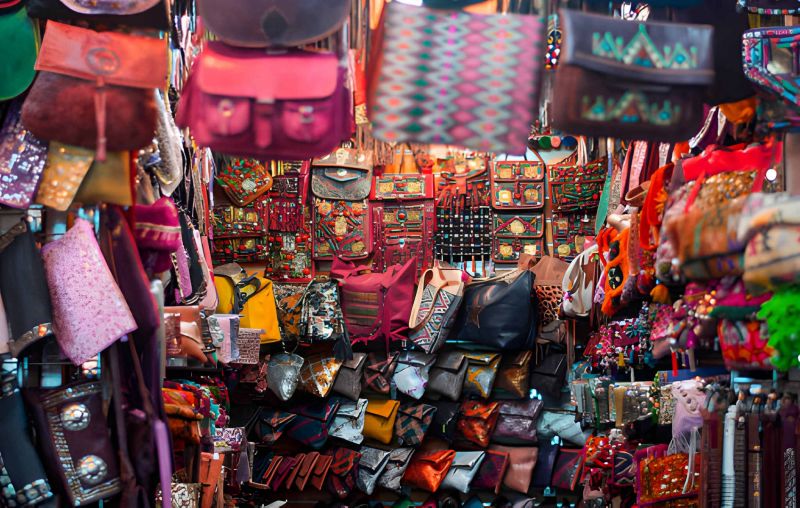
Exploring the Heart of Amman: A Journey Through Its Traditional Souqs
Nestled in the ancient hills of Jordan’s capital, the traditional souqs of Amman pulse with life, color, and history. These bustling markets are the soul of the city, where echoes of the past meet the rhythm of modern trade. From the aromatic scent of freshly ground spices to the vibrant hues of handwoven textiles, Amman’s souqs weave together centuries of tradition in a single, unforgettable experience. For travelers seeking authenticity, the souqs offer a sensory feast that embodies Jordanian culture at its purest. Strolling through these lively lanes, visitors encounter merchants whose families have traded here for generations, each stall telling a story of craft, heritage, and community.
The allure of Amman’s traditional souqs lies not only in their merchandise but also in their atmosphere — a poetic blend of chatter, laughter, and bargaining. These markets have stood the test of time, preserving the essence of Middle Eastern commerce. Whether you’re searching for aromatic coffee, intricate jewelry, or hand-painted ceramics, you’ll find the perfect treasure hidden among the maze of stalls. The souqs also reflect Amman’s evolution, balancing age-old customs with contemporary trends. Every corner invites curiosity, every exchange nurtures connection, and every scent awakens nostalgia. Exploring these souqs feels like stepping back in time, yet they continue to thrive as vital parts of the city’s modern identity.
Travelers often pair their exploration of Amman’s souqs with visits to iconic landmarks such as the Amman Citadel or the Roman Theatre, immersing themselves in a complete cultural experience. Those venturing beyond the capital might continue to Jordan Tours that unveil the country’s deep history and natural beauty. Yet, the heart of Amman beats most vividly in its souqs — a timeless celebration of trade, storytelling, and tradition.
Souq Al-Sukar: The Sweetest Corner of Amman
Souq Al-Sukar, or the Sugar Market, is one of the oldest and most charming traditional souqs in Amman. As its name suggests, the market is renowned for its confections, spices, and dried fruits that fill the air with irresistible fragrances. Walking through its narrow alleys, visitors encounter a kaleidoscope of colors — golden apricots, deep crimson hibiscus, and the warm browns of roasted nuts. Vendors proudly display their goods in ornate baskets, inviting passersby to taste and savor. This souq isn’t just about shopping; it’s about tradition passed down through generations. The art of measuring spices by hand, the cheerful haggling, and the exchange of greetings between locals and visitors all contribute to the souq’s magnetic charm.
Many travelers find Souq Al-Sukar emblematic of Amman’s enduring spirit. Here, one can discover authentic ingredients used in Jordanian cuisine, from za’atar and sumac to the finest coffee beans. The market’s atmosphere captures the essence of everyday life — energetic, warm, and communal. Nearby, the Hammam Street area complements the experience with traditional cafes and historic architecture, allowing visitors to savor Jordanian hospitality at its finest.
Souq Jara: A Modern Revival of Heritage
Souq Jara is a seasonal open-air market that beautifully marries Amman’s heritage with modern creativity. Set in the charming Jabal Amman district, the souq operates during the warmer months, typically from spring through autumn, and becomes a hub for artisans, designers, and performers. Visitors stroll along cobbled streets lined with stalls offering handcrafted jewelry, pottery, embroidered clothing, and contemporary art. It’s a vibrant scene that reflects Amman’s diverse identity — deeply rooted in tradition yet forward-looking and youthful. Souq Jara represents the city’s cultural renaissance, where creativity meets craftsmanship in an atmosphere of celebration.
Beyond shopping, Souq Jara immerses travelers in local culture through music, street food, and interactive experiences. The market often features live performances and traditional dabke dances that draw crowds of locals and tourists alike. The sense of community here is palpable — families gather, friends chat over coffee, and artists proudly share their creations. Visitors exploring Souq Jara can easily continue their cultural adventure to the nearby Amman City attractions, ensuring a day filled with both history and modern charm.
Souq Al-Bukharia: The Antique Treasure Trove
For those with a penchant for history, Souq Al-Bukharia offers an irresistible allure. Tucked in downtown Amman near the Grand Husseini Mosque, this market is famed for its antiques, vintage collectibles, and rare handicrafts. Each shop feels like a museum of memories — old coins, traditional lamps, carved woodwork, and silver ornaments tell stories of Jordan’s layered past. The merchants here are not just sellers; they are keepers of heritage. They know the history behind every artifact, turning every conversation into a mini history lesson. Bargaining is part of the fun, and visitors often leave with unique treasures that carry both cultural and sentimental value.
Souq Al-Bukharia captures the nostalgic spirit of Old Amman more than any other market. The atmosphere evokes an era when trade routes from Damascus to Petra passed through the city’s heart. After exploring this enchanting souq, visitors often continue to historic sites like the Temple of Hercules or the Umayyad Palace to deepen their understanding of Amman’s glorious past.
Souq Mango: Where Textiles and Tailoring Shine
Souq Mango stands out for its exquisite textiles, tailoring services, and traditional garments. This vibrant market is a paradise for those seeking authentic Jordanian attire, intricate embroidery, and handcrafted accessories. Visitors will find rolls of colorful fabrics, delicate lace, and hand-stitched abayas displayed with artistic flair. Skilled tailors work diligently in small workshops, crafting bespoke designs for locals and tourists alike. The market offers an intimate look into Jordan’s textile traditions, where fashion meets craftsmanship. The sound of sewing machines, the texture of silk, and the scent of fresh fabric dye fill the senses with nostalgia and appreciation.
Souq Mango also showcases how Amman’s artisans adapt to changing times without losing authenticity. Many young designers now collaborate with veteran tailors, blending traditional motifs with modern aesthetics to create fashion that resonates both locally and internationally. This creative synergy positions Souq Mango as a bridge between generations, making it one of the most dynamic traditional markets in the capital.
Souq Al-Khodra: A Feast for the Senses
No exploration of Amman’s souqs would be complete without visiting Souq Al-Khodra, the city’s lively produce market. Bursting with freshness, the market is a canvas of colors and textures — glistening pomegranates, ripe figs, fragrant herbs, and baskets of olives that capture the essence of Jordanian agriculture. Vendors call out cheerfully, enticing shoppers with the day’s best picks. The experience here is deeply sensory; it’s about tasting, smelling, and seeing the bounty of the land. Local chefs frequent Souq Al-Khodra for its unparalleled quality, ensuring that traditional recipes maintain their authentic flavor.
The souq also offers insight into Amman’s sustainable lifestyle. Seasonal produce dominates the stalls, reinforcing respect for nature’s cycles and local farming traditions. A visit to Souq Al-Khodra provides more than groceries — it’s a connection to the land and people who nourish Jordan’s culinary culture.
Preserving the Legacy of Amman’s Traditional Souqs
As Amman evolves into a modern metropolis, preserving its traditional souqs has become a cultural priority. These markets are living museums, embodying the social and economic history of the city. Efforts by local organizations and entrepreneurs aim to sustain this heritage while making it appealing to new generations. Revitalization projects focus on improving infrastructure without compromising authenticity, ensuring that the vibrant soul of the souqs endures. Amman’s traditional markets continue to thrive because they adapt — they embrace modern retail trends while remaining true to their roots. Visitors who wander through these markets don’t just shop; they engage with a timeless cultural narrative that defines Amman itself.
For those planning broader trips across Jordan, combining visits to Amman’s souqs with destinations like 5 Day Jordan Tour or 6 Days Luxury Jordan Tour creates a perfect blend of shopping, sightseeing, and cultural immersion. Beyond the capital, treasures like Petra City and Wadi Rum City await exploration, offering experiences as captivating as the souqs themselves.
FAQs about Amman Traditional Souqs
What are the most famous traditional souqs in Amman?
The most renowned traditional souqs in Amman include Souq Al-Sukar, Souq Jara, Souq Al-Bukharia, Souq Mango, and Souq Al-Khodra. Each offers a distinctive experience, from sweet treats and spices to antiques, fabrics, and fresh produce, providing visitors with a genuine taste of Jordanian culture.
When is the best time to visit Amman’s traditional souqs?
The ideal time to visit the souqs is during the cooler months from March to May and September to November. Mornings are best for a calm shopping experience, while evenings offer a more vibrant and lively atmosphere filled with local crowds and street performances, especially in seasonal markets like Souq Jara.
Are prices fixed in Amman’s souqs?
Most prices in traditional souqs are negotiable. Bargaining is a cultural practice in Amman and part of the fun. Shoppers are encouraged to engage respectfully with merchants, as friendly negotiation often leads to both a fair price and an enjoyable exchange.
What can travelers buy in Amman’s traditional markets?
Visitors can find a diverse range of goods such as spices, sweets, handicrafts, jewelry, textiles, antiques, ceramics, and fresh produce. These items make excellent souvenirs that reflect the artistry and authenticity of Jordanian craftsmanship.
Why are Amman’s traditional souqs culturally significant?
The souqs are vital to Amman’s identity, representing centuries of trade, craftsmanship, and community life. They preserve traditional skills, flavors, and social customs, acting as a bridge between Jordan’s historical past and its dynamic present. Through these markets, travelers connect with the city’s living heritage in a deeply personal way.


