

Colonnaded streets of Umm Qais
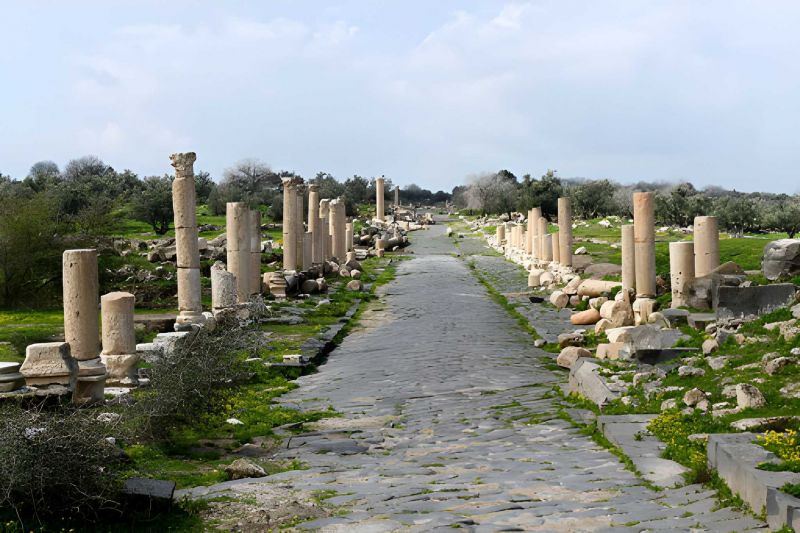
Colonnaded Streets of Umm Qais – A Journey Through Time and Stone
Perched dramatically above the Jordan Valley, the Colonnaded streets of Umm Qais stand as a breathtaking reminder of the ancient world’s grandeur. Once known as Gadara, this Greco-Roman city was among the Decapolis—a league of ten cities bound by culture, commerce, and politics. Strolling down these colonnaded streets feels like stepping into a bygone era where chariots clattered over basalt paving stones and traders bartered beneath the towering pillars. Today, Umm Qais captivates historians, travelers, and photographers alike with its blend of history, architecture, and panoramic views stretching over the Sea of Galilee, the Yarmouk River, and the Golan Heights.
The Umm Qais City archaeological site is a treasure trove of ruins that narrate tales of Roman magnificence and Byzantine faith. Its colonnaded main street, or cardo, was the lifeline of the city—a symbol of urban sophistication and power. Even centuries later, the basalt columns retain their impressive symmetry and understated beauty. From the Theatres of Umm Qais to the remnants of ancient churches and bathhouses, every stone whispers secrets of an age where art, philosophy, and trade flourished along these lanes.
This article delves into the architectural splendor, historical significance, and archaeological discoveries that make the Colonnaded streets of Umm Qais a masterpiece of Roman urban design. Using the AIDA formula—Attention, Interest, Desire, and Action—we’ll uncover why this ancient wonder continues to attract travelers seeking authenticity, culture, and timeless beauty.
The Historical Significance of the Colonnaded Streets of Umm Qais
The Colonnaded streets of Umm Qais played a pivotal role in the urban life of Gadara. Constructed during the Roman period, the main street—known as the Cardo Maximus—extended through the city center, flanked by majestic basalt columns. It connected the north and south gates, ensuring a seamless flow of people, goods, and culture. The street wasn’t just a thoroughfare; it was a social hub where citizens gathered, merchants displayed their wares, and orators addressed the public.
Inscriptions found along the colonnades reveal details about the city’s civic life, its benefactors, and the architectural techniques employed by Roman engineers. These details align closely with other Roman metropolises like Jerash City and its famed Cardo Maximus. The basalt pavement—remarkably well-preserved—still bears the ruts of ancient carts, providing tangible proof of life’s rhythm two millennia ago.
Architectural Genius and Roman Urban Planning
The Romans were master urban planners, and the Colonnaded streets of Umm Qais showcase their exceptional engineering prowess. Each section of the street was meticulously aligned using advanced surveying methods, creating a perfect grid that optimized both function and aesthetics. The basalt columns, carved from local volcanic rock, provided durability against earthquakes and weathering. The drainage system beneath the pavement reflected Roman ingenuity, channeling rainwater away from the street to maintain its immaculate surface.
Parallel streets, intersecting alleys, and open plazas were all part of this architectural symphony. Public structures like temples, baths, and theatres were strategically placed along the street to encourage civic engagement. This design made Umm Qais not just a city but a living, breathing expression of Roman culture in the Middle East.
The Basalt Columns – Enduring Symbols of Strength
The most striking feature of the Colonnaded streets of Umm Qais is the series of black basalt columns that frame the ancient road. Unlike the marble seen in other Roman cities, basalt—abundant in northern Jordan—gave Gadara its distinctive dark, elegant aesthetic. These columns reached impressive heights, each one crafted with precision and crowned with Corinthian capitals that once glistened in the Mediterranean sun. Their endurance through centuries of earthquakes, invasions, and neglect underscores the resilience of Roman craftsmanship.
Daily Life Along the Colonnaded Streets
Life along the Colonnaded streets of Umm Qais was vibrant and bustling. Merchants sold spices, textiles, and pottery beneath the porticos, while philosophers and poets debated in shaded courtyards. The street was lined with shops and public fountains, and the rhythmic sound of sandals striking basalt filled the air. The social energy of Gadara mirrored that of other great cities within the Decapolis, blending Hellenistic refinement with Roman order.
One can almost imagine citizens in flowing tunics engaging in trade negotiations or pausing to listen to musicians performing near the public baths. The colonnades provided shelter from the elements and created a communal corridor that fostered interaction and cultural exchange.
Strategic Location and Panoramic Views
Perched atop a high plateau, Umm Qais offers some of the most stunning vistas in Jordan. From the Colonnaded streets of Umm Qais, visitors can gaze across the Yarmouk River to the Golan Heights and the shimmering Sea of Galilee. This natural vantage point made Gadara both a scenic wonder and a strategic stronghold. The city’s elevation allowed it to monitor trade routes and control movements along the northern frontier of the Roman province.
Modern visitors often follow guided trails linking the Panoramic viewpoints of Umm Qais with the main street, offering a perfect blend of history and landscape photography. The sunsets here paint the basalt stones in hues of gold and amber, creating unforgettable memories for travelers seeking authenticity and heritage.
Archaeological Discoveries and Preservation Efforts
Excavations at Umm Qais have revealed an extraordinary array of artifacts—pottery shards, coins, mosaics, and inscriptions—that chronicle the city’s evolution from Hellenistic to Byzantine times. The Umm Qais archaeological site continues to yield insights into urban planning, art, and daily life. Archaeologists have identified several layers of occupation, proving that the site remained active long after the Roman Empire’s decline.
Preservation projects focus on stabilizing the basalt structures and restoring sections of the colonnaded street for educational tourism. Collaborative efforts between local authorities and international experts ensure that this world-class heritage site remains accessible while retaining its authentic character. Visitors can now walk the same streets that Roman citizens once did, guided by interpretive signs and restored pathways.
Comparisons with Other Ancient Roman Streets
The Colonnaded streets of Umm Qais share architectural DNA with other Roman cities like Jerash and Philadelphia (modern Amman). However, the use of dark basalt stone gives Umm Qais a unique identity. The interplay between engineering precision and natural materials distinguishes it from the marble grandeur of Mediterranean cities. Much like the Nymphaeum of Jerash or the Roman Theatre in Amman, these streets embody a fusion of function and beauty rarely matched elsewhere.
Role of Culture and Religion in Urban Life
Religion and culture thrived along the colonnaded streets. Temples dedicated to Roman gods stood beside early Christian basilicas, reflecting a city that embraced both pagan tradition and emerging faiths. Byzantine mosaics discovered nearby depict crosses and geometric patterns, signaling a seamless transition from empire to ecclesiastical prominence. The street thus served as a microcosm of cultural coexistence, embodying the spiritual evolution of the region.
Why the Colonnaded Streets of Umm Qais Still Matter Today
For modern travelers, historians, and students of architecture, the Colonnaded streets of Umm Qais represent an invaluable link to humanity’s shared past. They are not merely ruins but living chapters of a story that continues to inspire. Walking these ancient lanes evokes awe, humility, and curiosity—qualities that have driven exploration and preservation for decades. Jordan, with its rich archaeological landscape, invites visitors to immerse themselves in living history, whether through Egypt and Jordan Tours or focused heritage expeditions.
Unlike many modern tourist sites, Umm Qais retains its authenticity. The basalt stones remain raw and unpolished, their edges worn smooth by time, not restoration. The absence of intrusive commercial elements allows visitors to feel the pulse of antiquity—a rare experience in today’s fast-paced world.
Tips for Visiting Umm Qais and Its Colonnaded Streets
Travelers planning a trip to Umm Qais should wear comfortable footwear, as the basalt pavements can be uneven. Early mornings or late afternoons offer the best lighting for photography. Pairing a visit here with nearby attractions like the Basalt ruins of Umm Qais or a scenic drive to Jordan Tours destinations enhances the overall experience. Local guides enrich visits with stories of Roman engineers, Ottoman garrisons, and villagers who once made these ruins their homes.
FAQs About the Colonnaded Streets of Umm Qais
What are the Colonnaded streets of Umm Qais?
The Colonnaded streets of Umm Qais are ancient basalt-paved roads lined with Roman columns, forming the city’s main thoroughfare. They were central to Gadara’s social, economic, and cultural life during the Roman and Byzantine periods.
When were the Colonnaded streets of Umm Qais built?
These magnificent streets were constructed during the 2nd century AD, under Roman rule, as part of the city’s expansion within the Decapolis network.
Why are the Colonnaded streets made of basalt?
Basalt, a volcanic rock abundant in the area, was used for its strength and availability. Its deep hue gives the Colonnaded streets their distinctive dark beauty and remarkable durability.
What can visitors see along the Colonnaded streets today?
Visitors can admire rows of basalt columns, remnants of shops, ancient paving stones with visible cart tracks, and spectacular views over the Jordan Valley and the Sea of Galilee. The site also includes theatres, churches, and bathhouses nearby.
How can I visit the Colonnaded streets of Umm Qais?
The site is easily accessible from major Jordanian cities like Amman or Irbid. Many Trips to Jordan include Umm Qais in their itineraries, allowing travelers to explore the site with expert guides who reveal its secrets in detail.


