

Theatres of Umm Qais
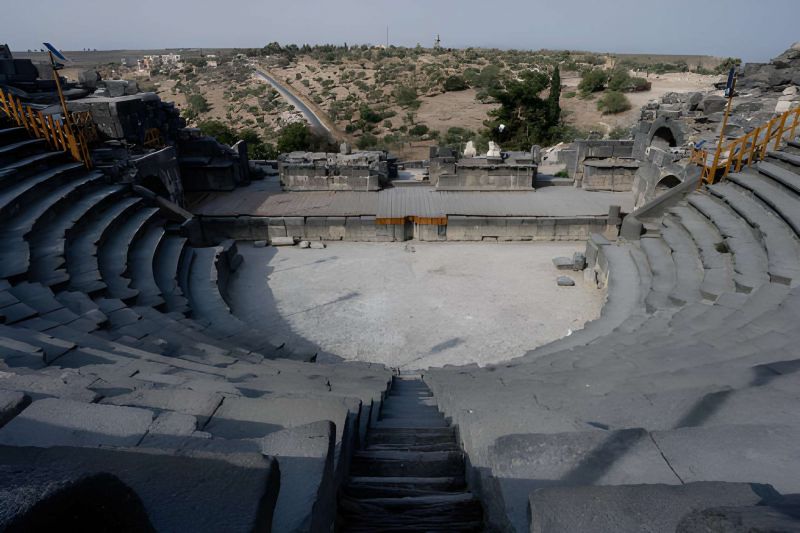
The Majestic Theatres of Umm Qais: Echoes of History and Art in Northern Jordan
Perched high on a windswept plateau overlooking the dramatic Jordan Valley, the Theatres of Umm Qais stand as timeless monuments to ancient ingenuity, artistic expression, and architectural mastery. These magnificent Roman-era theatres, hewn from dark basalt stone, whisper tales of a bygone era when Gadara—modern-day Umm Qais—was a thriving Decapolis city, renowned for its culture, learning, and art. Today, the site draws history enthusiasts, travelers, and dreamers alike, beckoning them into a world where the echoes of applause still reverberate through the stone seats. With panoramic views stretching across the Golan Heights, the Sea of Galilee, and the Yarmouk River gorge, Umm Qais presents a harmony of nature and history unlike anywhere else in Jordan.
As visitors explore the Umm Qais archaeological site, the twin Roman theatres command immediate attention. The larger Western Theatre, built primarily from dark basalt, sits majestically at the heart of the ruins, while the smaller Eastern Theatre, partially restored, offers a more intimate glimpse into ancient performances and civic gatherings. Together, they symbolize how Gadara became a beacon of Hellenistic and Roman civilization—where philosophy, poetry, and performance merged beneath the Mediterranean sun. For modern explorers, the Umm Qais City experience provides a rare opportunity to step into living history, surrounded by basalt ruins, colonnaded streets, and the enduring artistry of Roman design.
In the framework of tourism development, Umm Qais has evolved into one of Jordan’s cultural gems. The preservation of its theatres not only celebrates ancient craftsmanship but also enriches contemporary appreciation for historic landscapes. Travelers venturing here as part of Egypt and Jordan Tours often find Umm Qais to be an unforgettable highlight, a captivating destination that embodies the grandeur of Roman antiquity fused with the natural allure of Northern Jordan’s hills.
Architectural Grandeur of the Western Theatre
The Western Theatre of Umm Qais remains one of the most spectacular examples of Roman theatre design outside Italy. Constructed from volcanic basalt, its stark black hue distinguishes it from the more common limestone structures found across the Levant. This contrast lends a sense of drama and solemn beauty, particularly at sunrise and sunset when the stone glows with shifting shades of silver and gold. The theatre could once accommodate around three thousand spectators, who gathered to watch plays, musical performances, and civic ceremonies that celebrated Gadara’s status as a cultural hub within the Decapolis.
Each row of seating was carefully engineered to reflect sound from the stage—a marvel of ancient acoustics. Even today, a whisper from the orchestra pit can be heard clearly in the upper tiers. The stage itself, though partly collapsed, still reveals elements of the scaenae frons, the decorative façade behind which actors prepared for their performances. Archaeologists believe that elaborate columns, niches, and statues once adorned this structure, emphasizing the sophistication of Roman theatre architecture.
Standing amid the tiers of the Western Theatre, visitors can imagine the city’s citizens dressed in togas, their laughter and applause filling the air. The theatre’s robust design has survived earthquakes, wars, and the slow erosion of time, a testament to its builders’ vision and the enduring legacy of Roman artistry. For those fascinated by ancient architecture, Umm Qais stands shoulder to shoulder with other regional marvels like the Roman theatres of Jerash.
The Eastern Theatre: A Window into Civic Life
The Eastern Theatre of Umm Qais, though smaller and less preserved than its western counterpart, holds equal historical significance. Scholars suggest it served civic and political functions, possibly hosting town assemblies, speeches, and smaller performances. Its location, closer to the city’s central forum, aligns with this theory. Excavations have revealed seating arrangements and traces of an orchestra pit that indicate both communal and ceremonial uses.
In contrast to the basalt of the Western Theatre, the Eastern Theatre employs a mix of limestone and basalt, creating a lighter aesthetic and visual diversity within the archaeological landscape. These contrasting materials highlight the adaptability and creativity of ancient builders who utilized locally available resources to stunning effect. Today, restoration efforts aim to stabilize remaining structures while ensuring that visitors can safely appreciate the theatre’s layout and proportions.
Exploring the Eastern Theatre allows travelers to grasp the daily rhythm of Gadara’s public life—its debates, its civic pride, and its cultural achievements. The site’s proximity to the colonnaded streets of Umm Qais further enhances its context, allowing guests to trace the ancient pathways that once connected temples, markets, and performance spaces.
Panoramic Views and the Theatres’ Strategic Location
One of the most striking features of the Theatres of Umm Qais is their breathtaking location. Both theatres face the northwestern horizon, offering sweeping views of the Golan Heights, the Sea of Galilee, and the Yarmouk River valley. This strategic orientation wasn’t accidental—it symbolized Gadara’s openness to the world, its geographical and cultural crossroads between Greece, Rome, and the Levant. The city’s elevated terrain provided natural acoustics and a commanding vantage point over neighboring territories.
Modern visitors cherish this same view, which remains among the most picturesque in Jordan. The panoramic viewpoints of Umm Qais are ideal for photography, reflection, or simply basking in the serenity of a landscape that has witnessed countless civilizations rise and fall. The contrast between the black basalt stones and the golden highland light creates an unforgettable atmosphere—one that captures both the grandeur and fragility of history.
Myth, Culture, and Performance in the Theatres of Umm Qais
Beyond architectural magnificence, the Theatres of Umm Qais were cultural epicenters that shaped the intellectual identity of Gadara. The city produced notable philosophers and poets, including Theodorus and Menippus, whose satirical works influenced later Hellenistic literature. Performances here weren’t mere entertainment—they reflected philosophical debates, moral tales, and mythological dramas that spoke to the human condition. The intersection of Greek thought and Roman organization gave Umm Qais a distinctive cultural richness that still captivates scholars today.
Walking through the ruins, one can sense the lingering aura of creativity. The orchestras once thundered with rhythm, and the actors’ voices soared under open skies. Even now, during special events or heritage celebrations, the theatres occasionally host modern performances, reviving the spirit of Gadara’s golden age. This living connection between past and present reinforces Umm Qais’s reputation as a thriving cultural landmark within Jordan’s northern landscape.
Modern Tourism and the Preservation of Umm Qais Theatres
As Jordan continues to develop its cultural tourism sector, the preservation of the Theatres of Umm Qais stands as a priority. Government initiatives and international collaborations focus on conservation, site management, and sustainable tourism practices. The goal is to balance accessibility with preservation, ensuring future generations can admire these structures as authentically as possible. Efforts include restoration of damaged seating, stabilization of walls, and improved visitor pathways that respect the site’s integrity.
Tourism to Umm Qais is often integrated with regional itineraries such as Jordan Tours and combined heritage expeditions linking Amman, Jerash, and the Dead Sea. Many travelers choose to extend their journeys through Luxury Egypt Tours or cultural explorations across neighboring regions. Such experiences allow visitors to appreciate the interconnected history of ancient civilizations across the Middle East, where art, architecture, and philosophy flourished under shared influences.
Ultimately, the Theatres of Umm Qais aren’t mere relics—they’re storytellers. They bridge centuries, reminding us how art has long united communities and transcended empires. Their basalt steps continue to welcome those who seek meaning in antiquity, beauty in ruins, and perspective in history’s enduring stage.
FAQs about the Theatres of Umm Qais
1. Where are the Theatres of Umm Qais located?
The Theatres of Umm Qais are situated in northern Jordan, near the modern town of Umm Qais, approximately 110 kilometers north of Amman. The site occupies a hilltop overlooking the Jordan Valley, offering sweeping views of the Golan Heights and the Sea of Galilee. This location was once the ancient Greco-Roman city of Gadara, part of the Decapolis League.
2. What materials were used to build the Theatres of Umm Qais?
The Western Theatre was primarily constructed from black basalt stone, a volcanic material abundant in the region. The Eastern Theatre used a combination of basalt and limestone, creating a unique contrast in color and texture. These materials not only reflected local geology but also contributed to the theatres’ enduring strength and acoustic properties.
3. How old are the Theatres of Umm Qais?
The Theatres of Umm Qais date back to the 2nd century AD, during the height of Roman influence in the region. Over nearly two millennia, they’ve survived natural disasters and shifting empires, remaining among the best-preserved Roman theatres in Jordan. Their design and construction techniques reveal the remarkable engineering skills of the ancient Romans.
4. What can visitors see at the Umm Qais archaeological site besides the theatres?
Beyond the theatres, visitors can explore a wealth of archaeological treasures, including colonnaded streets, Byzantine churches, tombs, and the remains of ancient houses. Highlights include the basalt ruins of Umm Qais and panoramic terraces that overlook the surrounding valleys. The on-site museum also displays artifacts from Gadara and nearby regions, offering insight into local art, trade, and daily life.
5. When is the best time to visit the Theatres of Umm Qais?
The best time to visit is during spring (March to May) and autumn (September to November), when the weather is mild and the skies are clear. These seasons provide ideal conditions for exploring the open-air ruins and enjoying the scenic views. Early mornings and late afternoons also offer the best lighting for photography and a quieter, more immersive experience.


