

Basalt ruins of Umm Qais
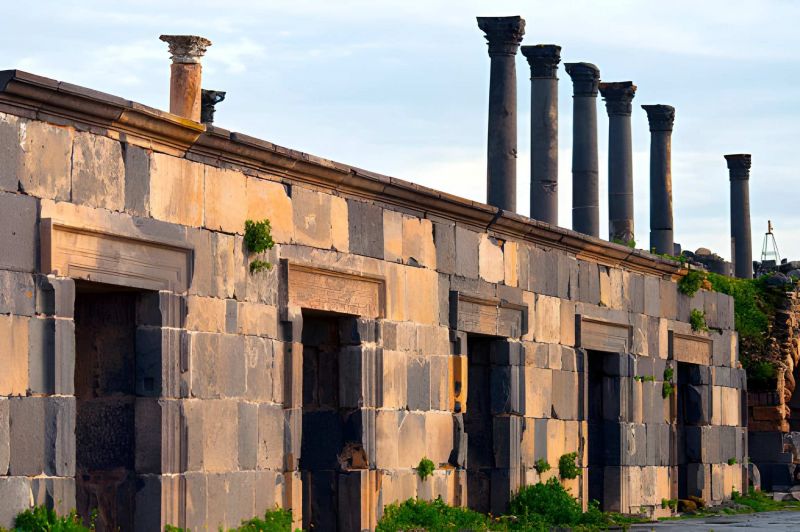
Enigmatic Basalt Ruins of Umm Qais: A Journey Through Jordan's Ancient Legacy
Perched high on the rugged hills of northern Jordan, the basalt ruins of Umm Qais invite travelers to step back in time. This ancient Greco-Roman city, known in antiquity as Gadara, offers a mesmerizing fusion of natural beauty and historical wonder. The black basalt stones glisten under the sun, their sturdy walls whispering stories of empires long gone. Visitors gazing across the Yarmouk River Valley can glimpse the Sea of Galilee and the Golan Heights, making this archaeological gem one of the most scenic ancient sites in the Middle East. The basalt ruins of Umm Qais remain a living testament to the region’s layered past, where Roman colonnades, Byzantine mosaics, and Ottoman houses intertwine harmoniously.
Today, Umm Qais stands as a magnet for historians, photographers, and adventurers seeking a tangible link to ancient civilizations. The site’s basalt architecture — rare and visually striking — distinguishes it from other Roman cities across the Levant. Beyond its historical grandeur, Umm Qais offers a peaceful atmosphere with lush olive groves and panoramic views that seem to stretch into eternity. For those exploring Jordan’s north, this destination presents the perfect blend of cultural heritage and breathtaking scenery. It's no wonder that the basalt ruins of Umm Qais are increasingly highlighted in top cultural itineraries like Egypt and Jordan Tours and regional archaeological adventures.
The Historical Significance of the Basalt Ruins of Umm Qais
The basalt ruins of Umm Qais, formerly Gadara, were once a proud member of the Decapolis — a confederation of ten cities that flourished under Roman rule. Founded during the Hellenistic period, Gadara quickly became a hub of culture, trade, and philosophy. Its strategic hilltop position overlooking what’s now Israel and Syria made it a coveted stronghold through centuries of conquests. The Romans later transformed it into a model city, complete with colonnaded streets, grand theatres, and intricate water systems. Inscriptions found among the black basalt stones reveal the city’s ties to poets and philosophers who influenced early Greco-Roman thought.
Umm Qais’s basalt ruins bear witness to several layers of civilization. Beneath the Roman grandeur lie traces of earlier Hellenistic settlements, while later additions, such as Byzantine churches, showcase the city’s spiritual transformation. When the Umayyads rose to power, they contributed new architectural styles, leaving their imprint on the site’s evolving identity. The black basalt stone, abundant in the region, became the defining material of Umm Qais, giving its ruins their unique dark hue and remarkable durability.
Architectural Marvels Built of Basalt
The basalt ruins of Umm Qais astonish visitors with the craftsmanship of a bygone era. From intricately carved facades to sweeping colonnaded streets, the entire city seems sculpted from volcanic rock. The Theatres of Umm Qais are among the most striking examples, particularly the west theatre, constructed entirely of black basalt. Capable of seating over 3,000 spectators, it once echoed with the voices of actors, orators, and musicians. The city’s ancient streets, lined with basalt columns, exude an aura of grandeur despite centuries of erosion.
Visitors can also explore remnants of Roman baths, nymphaea, and the famed colonnaded streets of Umm Qais, which lead toward the city gates and marketplaces. Fragments of mosaics and Byzantine churches remind travelers of Gadara’s later Christian period. Even the Ottoman village, built atop the Roman ruins, continues the basalt tradition, illustrating the material’s timeless appeal and resilience.
Cultural and Intellectual Heritage of Umm Qais
Beyond its monumental architecture, Umm Qais holds a special place in the intellectual history of the ancient world. Gadara was once home to celebrated philosophers and poets, including Menippus and Meleager. The city’s proximity to trade routes made it a meeting point for scholars, merchants, and travelers. This blend of cultures fostered an atmosphere of creativity and exchange, making Gadara a beacon of Hellenistic learning in the Middle East. The basalt ruins of Umm Qais today stand as silent witnesses to this golden age of philosophy, science, and art that shaped Jordan’s cultural identity.
Natural Setting and Scenic Views
Few archaeological sites can boast such breathtaking surroundings. The basalt ruins of Umm Qais overlook the verdant Yarmouk Valley, where the Jordan River winds its way toward the Sea of Galilee. On clear days, visitors can spot the distant Golan Heights shimmering under the sun. The panoramic viewpoints of Umm Qais have made it a favorite destination for travelers seeking both beauty and history. Olive trees, wildflowers, and gentle breezes enhance the serenity of the surroundings, offering a welcome contrast to the black basalt stones that dominate the site.
Basalt Ruins and the Legacy of Gadara
Every corner of Umm Qais tells a story. The basalt ruins reveal how ancient engineers used volcanic stone not only for durability but also for its aesthetic appeal. The striking contrast between the dark basalt and the bright Jordanian sky creates a visual masterpiece that feels almost otherworldly. Archaeological excavations continue to uncover new insights into Gadara’s infrastructure, its aqueducts, and its urban planning — all of which demonstrate remarkable ingenuity.
Modern-day explorers visiting Umm Qais often combine their journey with a stop in Jordan Tours or cultural excursions around northern Jordan. The nearby Umm Qais archaeological site museum displays artifacts discovered among the basalt ruins, including pottery, coins, and sculptures, offering invaluable insight into daily life in ancient Gadara.
Preservation Efforts and Tourism Development
Preserving the basalt ruins of Umm Qais poses unique challenges. The basalt itself is remarkably resilient, but centuries of exposure to wind and rain threaten the integrity of carved details and inscriptions. Jordan’s Department of Antiquities, together with international organizations, has implemented conservation programs focused on stabilizing the ancient structures and promoting sustainable tourism. Visitors are encouraged to explore responsibly, ensuring that future generations can marvel at Umm Qais’s splendor.
Tourism growth has brought new opportunities for local communities. Traditional guesthouses, cultural festivals, and guided archaeological tours now enrich the visitor experience. As interest in heritage travel rises, Umm Qais continues to gain global recognition. For travelers seeking authentic encounters with history, combining Umm Qais with excursions like 5 Day Jordan Tour offers a deeper appreciation of Jordan’s ancient landscapes and civilizations.
Experiencing Umm Qais Today
Walking through the basalt ruins of Umm Qais feels like traversing a living museum. The scent of olive trees mingles with the mountain air, and the echoes of the past seem to resonate in every stone. Visitors can sit on ancient theatre steps, wander through Roman gates, or stand beneath basalt columns that have withstood earthquakes and empires. Guided tours shed light on Gadara’s transformation through the ages, while the local village offers warm hospitality and traditional cuisine. As the sun sets behind the hills, the black ruins glow with amber light, creating an unforgettable scene that captures the essence of timeless Jordan.
How to Reach the Basalt Ruins of Umm Qais
Umm Qais is located approximately 120 kilometers north of Amman, making it an ideal day trip from the capital. Travelers often include it in regional itineraries alongside Amman Citadel and Roman Theatre. The well-maintained road network ensures easy access, and guided tours provide historical context that brings the basalt ruins to life. For those seeking immersive cultural experiences, combining Umm Qais with visits to nearby sites such as Jerash Roman ruins creates a perfect archaeological circuit through northern Jordan.
Frequently Asked Questions About the Basalt Ruins of Umm Qais
What makes the basalt ruins of Umm Qais unique compared to other ancient cities?
Unlike many Roman cities built from limestone or marble, Umm Qais is constructed primarily from dark basalt stone. This gives the site a striking visual identity and reflects the region’s volcanic geology. The combination of Roman design with local materials makes the ruins of Umm Qais one-of-a-kind in the ancient world.
When is the best time to visit Umm Qais?
The best time to explore the basalt ruins of Umm Qais is during spring or autumn when temperatures are mild, and the surrounding hills bloom with wildflowers. Morning and late afternoon visits provide beautiful lighting conditions for photography.
Can I combine Umm Qais with other archaeological destinations in Jordan?
Absolutely. Many travelers combine Umm Qais with other northern Jordan highlights such as Jerash, Ajloun Castle, and Amman. It’s common to include Umm Qais in broader itineraries like 3 Day Jordan Tour or custom cultural packages that explore Jordan’s Roman and Byzantine heritage.
Is there a museum at Umm Qais?
Yes, the Umm Qais Archaeological Museum displays an impressive collection of artifacts found in the ruins, including mosaics, inscriptions, ceramics, and sculptures. It provides valuable historical context and enhances visitors’ understanding of the site’s long history.
How long should visitors spend at the basalt ruins of Umm Qais?
Most travelers spend around two to three hours exploring the basalt ruins, theatres, and viewpoints. However, history buffs and photography enthusiasts often linger longer to appreciate the intricate details and sweeping landscapes. Adding a leisurely meal at a nearby café overlooking the valley completes the perfect visit.


