

Roman Theatre
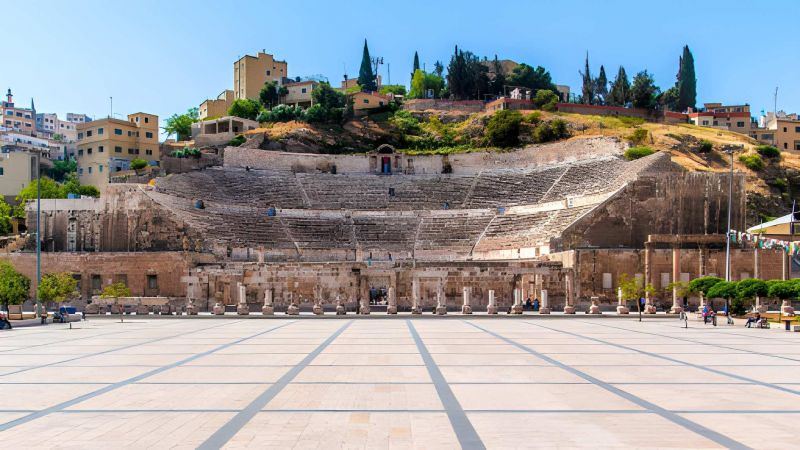
The Grandeur and Legacy of Roman Theatre: A Journey Through Ancient Performance and Architecture
The Roman Theatre stands as one of the most remarkable legacies of the ancient world, a testament to the empire’s enduring love for drama, architecture, and public spectacle. Emerging from Greek influences yet developing its own distinctive identity, the Roman Theatre became a central cultural institution that shaped entertainment, politics, and urban life across centuries. These awe-inspiring structures served as stages for comedies, tragedies, pantomimes, and political discourse, reflecting the grandeur and sophistication of Roman civilization. Their construction spread throughout the empire—from Rome’s epicenter to provincial cities like Jerash Roman ruins and Amman Citadel—demonstrating how deeply performance art permeated Roman society.
The architecture of Roman theatres combined innovation with practicality. Massive stone seating tiers, intricate acoustic designs, and decorative façades turned these open-air arenas into masterpieces of engineering. The Roman Theatre wasn’t merely for entertainment—it was a reflection of the empire’s might, a stage where culture, politics, and communal life intersected. Today, their ruins evoke a sense of timeless wonder, drawing visitors who marvel at the genius of Roman craftsmanship. Whether in Jerash City or among the theatres of Umm Qais, these relics continue to tell stories of ancient audiences, performers, and emperors who shaped artistic history. This article explores the rich tapestry of Roman Theatre—from its origins to its art, architecture, and enduring influence on modern performance.
Origins and Influences of Roman Theatre
The roots of Roman Theatre trace back to the early Republic, heavily influenced by the theatrical traditions of Greece and the Etruscans. Initially, Roman performances were religious in nature, part of festivals honoring the gods. However, as Rome expanded, it absorbed Hellenistic culture, transforming Greek dramatic forms into something distinctively Roman. Greek theatres inspired early designs, but Romans adapted them to suit their urban planning and social ideals, integrating them into the heart of city life. This fusion of art and architecture turned theatre into both a cultural expression and a tool for imperial propaganda.
Roman playwrights like Plautus and Terence infused humor and realism into their works, offering audiences stories rooted in everyday life. Their plays reflected Roman society’s values, satirized politics, and celebrated the wit of the common man. The theatre wasn’t just about performance—it was about engagement, laughter, and identity. Over time, spectacles evolved into grand productions featuring elaborate stage sets, music, and even mechanical effects that left audiences spellbound.
Architectural Mastery: The Design of Roman Theatres
The architectural brilliance of Roman theatres remains unmatched. Unlike Greek theatres built into natural hillsides, Roman engineers constructed free-standing structures using concrete, arches, and vaults—technologies that allowed immense creativity in design. A typical Roman Theatre consisted of three primary sections: the cavea (seating area), the orchestra (a semicircular performance space), and the scaenae frons (the elaborately decorated stage building). Stone seating tiers ensured excellent visibility, while the theatre’s acoustics amplified voices without modern technology.
One of the best-preserved examples is the Roman theatres of Jerash, renowned for their outstanding preservation and acoustic perfection. The scaenae frons of these structures was adorned with Corinthian columns, marble statues, and Latin inscriptions, symbolizing both artistic refinement and imperial power. Behind the grandeur, functionality reigned supreme—every archway, stairwell, and corridor was meticulously planned to manage crowds efficiently.
The Role of Engineering and Acoustics
Roman architects mastered the art of acoustics through precise geometry. The semicircular design of the cavea allowed sound waves to project naturally, ensuring every word reached the audience no matter how vast the theatre. Engineers used limestone and marble to reflect sound, while the orchestra’s curved layout enhanced resonance. Theatres often included velaria—massive awnings that shielded spectators from the sun, showcasing Rome’s technical ingenuity and attention to comfort. These innovations turned Roman Theatre into an immersive experience long before modern amphitheaters existed.
Social and Cultural Significance of Roman Theatres
In Roman society, theatre served as both entertainment and communication. Attendance was free, open to citizens of all classes, which made performances powerful tools for social unity and political influence. Emperors and magistrates sponsored events to gain public favor, often using theatrical displays to celebrate victories or divine heritage. Thus, the Roman Theatre became a space where art met authority, where laughter and satire disguised commentary on governance and morality.
Women rarely performed, but they attended in great numbers, and seating arrangements reflected social hierarchies. Elite citizens occupied front rows, while the common populace filled the upper tiers. Performances—ranging from comedies to pantomimes—mirrored Roman life, addressing themes of love, deceit, class, and power. The theatre also nurtured the art of rhetoric, a skill essential for Roman politics, strengthening its role as a cornerstone of civic culture.
Entertainment Beyond Drama
Roman theatres didn’t limit themselves to plays; they hosted musical performances, dance, and even mock naval battles in flooded arenas. Over time, the theatrical genre diversified, blending spectacle with storytelling. This culture of entertainment influenced later arenas, including amphitheaters like the Colosseum, where drama evolved into grand public spectacle. The vitality and adaptability of Roman Theatre secured its place as a defining feature of imperial culture.
Famous Roman Theatres Across the Empire
From Italy to the distant provinces, Roman theatres dotted the empire’s landscape. The Theatre of Marcellus in Rome, completed in 13 BCE, became a model for later constructions. Theatres in Pompeii, Orange (France), and Aspendos (Turkey) exhibit variations in design, adapted to local materials and traditions. In the Levant, the Roman Theatre in Amman remains a breathtaking example of Roman architectural prowess—its towering tiers carved into the hillside can host thousands, offering panoramic views of the ancient city.
Visitors exploring sites like the Amman traditional souqs or the Nymphaeum can still feel the pulse of ancient performance culture, where art and architecture merged perfectly. These theatres weren’t merely edifices—they were living monuments to Rome’s expansive influence, spreading a shared language of drama and design across continents.
Preservation and Modern Appreciation
Modern archaeology and restoration efforts have brought many of these theatres back to life. In places like Umm Qais archaeological site, preservation work allows visitors to experience the same acoustics and ambiance that ancient Romans enjoyed. Contemporary festivals often revive these venues, blending modern performances with ancient settings. The revival of Roman Theatre as a venue for modern art underscores its timeless appeal and architectural brilliance.
Legacy and Influence on Modern Theatre
The legacy of Roman Theatre extends far beyond its ruins. Modern stagecraft, auditorium design, and performance conventions trace their lineage back to these ancient venues. Concepts like tiered seating, proscenium stages, and elaborate stage backdrops all have Roman roots. The empire’s passion for grand storytelling persists in today’s cinematic and theatrical arts, where spectacle and narrative continue to captivate audiences worldwide.
Roman Theatre’s influence also shaped Renaissance architecture and urban planning. Architects studying ancient ruins integrated classical elements into new civic theatres, ensuring that Rome’s artistic spirit endured through time. Even now, performing in an ancient Roman Theatre evokes a sense of history, connecting audiences with millennia of shared human creativity.
Conclusion: The Eternal Stage of Rome
The Roman Theatre stands as a symbol of artistic vision, engineering excellence, and social vitality. More than relics of stone, these theatres embody humanity’s enduring love for performance and connection. They remind us that storytelling—whether through ancient comedies or modern plays—has always been central to culture. The Roman Theatre’s grandeur continues to inspire architects, historians, and dreamers, proving that great art never truly fades; it simply echoes through time.
FAQs About Roman Theatre
What makes Roman Theatre different from Greek Theatre?
Roman Theatre distinguished itself from Greek Theatre primarily through architecture and purpose. While Greek theatres relied on natural landscapes for structure, Roman theatres were free-standing and integrated into urban centers. Romans also emphasized spectacle and realism, incorporating mechanical innovations, music, and grand scenery. The cultural tone was more entertainment-driven than religious, reflecting Rome’s social and political dynamics.
How were Roman Theatres constructed?
Roman theatres were built using advanced engineering techniques involving arches, vaults, and concrete. The cavea provided tiered seating supported by corridors and stairways, while the scaenae frons featured ornate façades. Many structures, such as the theatre at Jerash City, demonstrate how skillfully Romans combined form and function to create durable, impressive spaces.
What types of performances took place in Roman Theatres?
Roman Theatres hosted a diverse range of performances, including comedies, tragedies, pantomimes, musical acts, and public ceremonies. Over time, theatrical productions became less formal and more spectacle-driven, incorporating elaborate staging and special effects that captivated vast audiences throughout the empire.
Are there preserved Roman Theatres people can visit today?
Yes, many Roman theatres remain remarkably preserved. Theatres at Amman, Jerash, Orange, and Aspendos are among the most famous. Visitors exploring these sites can marvel at the craftsmanship, acoustics, and design principles that have survived for over two millennia, continuing to inspire modern architects and performers alike.
What is the legacy of Roman Theatre in modern culture?
The legacy of Roman Theatre endures in modern architecture, stage design, and performance art. Its influence can be seen in amphitheaters, opera houses, and even contemporary cinema. The focus on visual grandeur, audience engagement, and technical mastery continues to shape entertainment industries worldwide, ensuring that the Roman Theatre’s spirit remains alive across generations.


