

Temple of Hercules
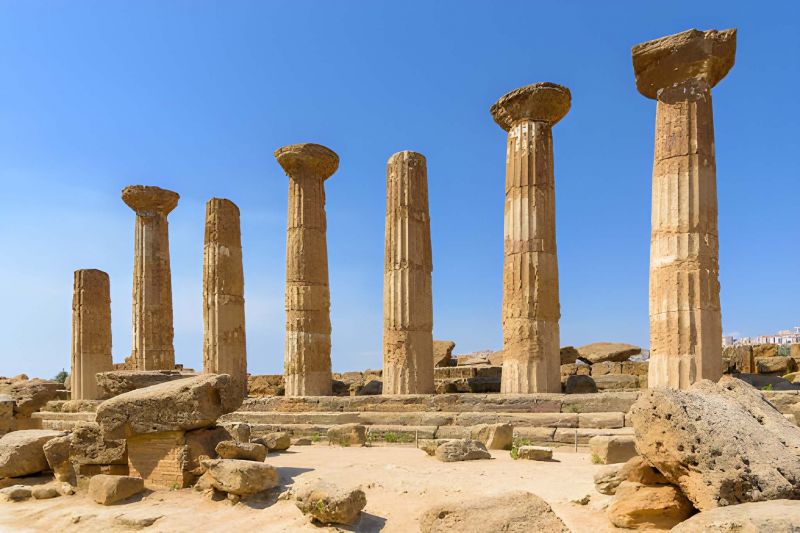
Temple of Hercules in Amman Citadel: A Marvel of Ancient Roman Grandeur
Perched atop the historic Amman Citadel, the Temple of Hercules stands as one of Jordan’s most captivating archaeological treasures. This ancient Roman masterpiece beckons travelers, historians, and culture enthusiasts alike to step back into the 2nd century AD, when the Roman Empire’s architectural prowess and spiritual devotion flourished across its vast territories. The Temple of Hercules isn’t merely a collection of broken columns—it’s a monumental story carved in stone, echoing through centuries of civilization and conquest. Built during the reign of Emperor Marcus Aurelius, the temple remains one of the most significant Roman structures in the Middle East. With its imposing columns overlooking the modern cityscape of Amman, the site perfectly balances antiquity and modernity, offering breathtaking panoramic views and a profound sense of timelessness.
The Temple of Hercules at the Amman Citadel is more than a relic—it’s a symbol of cultural fusion, blending Roman architectural traditions with local craftsmanship. It’s part of the larger Jabal Al Qal’a complex, which also includes the Umayyad Palace and the Archaeological Museum. For visitors tracing the footsteps of emperors and scholars, this temple offers a mesmerizing glimpse into the artistic and spiritual ambitions that defined ancient Rome’s eastern frontier. The allure of this site lies not only in its ancient stones but also in the stories they whisper—of gods, heroes, and the enduring quest for immortality through architecture. It’s no wonder that the Temple of Hercules remains one of the top highlights for travelers embarking on Egypt and Jordan Tours.
Historical Background of the Temple of Hercules in Amman
The Temple of Hercules was constructed between 162 and 166 AD, during the rule of Emperor Marcus Aurelius. This period marked a golden age of Roman expansion and cultural integration, and Amman—then known as Philadelphia—was a flourishing Roman city. The temple was part of the large civic complex that dominated the acropolis, demonstrating the empire’s dedication to urban planning and monumental architecture. Hercules, revered as a divine hero known for his strength and courage, was widely celebrated across the empire. His worship in Amman symbolized the Roman presence and the adaptation of Greco-Roman mythology to local traditions. Archaeological findings suggest that the temple was never fully completed, a mystery that continues to intrigue historians and archaeologists alike.
Today, visitors strolling through the ruins can still admire the remnants of its massive columns, some towering over 33 feet high. These columns once supported a grand portico that framed the hilltop skyline. The temple’s orientation and construction techniques reveal sophisticated Roman engineering methods, and fragments of sculptural details hint at its former decorative splendor. Some scholars believe that a colossal statue of Hercules once dominated the site, its remnants—an immense hand and elbow fragment—now displayed nearby, giving a tangible sense of its original scale.
Architectural Features of the Temple of Hercules
The Temple of Hercules was designed in the classical Roman style, featuring a rectangular layout with a deep pronaos (front porch) supported by Corinthian columns. Archaeological measurements indicate that the podium stretched approximately 40 meters in length and 30 meters in width, elevating the structure high above the surrounding city. The choice of limestone for construction demonstrated both aesthetic beauty and local resourcefulness. The proportion, alignment, and column spacing reflect Roman architectural precision, yet the craftsmanship exhibits subtle regional influences that make the temple uniquely Jordanian.
Each column was meticulously carved, with fluting running vertically to create a sense of upward movement, symbolizing divine ascent. The temple’s base still shows traces of mosaic flooring and altar platforms, possibly used for offerings and rituals. Facing west, the temple caught the golden hues of the setting sun, creating a spectacular interplay of light and shadow that must have awed ancient worshippers. The remains of the surrounding walls and staircases suggest the presence of auxiliary structures, such as priests’ quarters or smaller shrines. The site forms part of a wider Roman-era urban landscape that once included bathhouses, markets, and an amphitheater similar in grandeur to the Roman Theatre nearby.
Religious and Cultural Significance of Hercules in Roman Jordan
In Roman mythology, Hercules represented strength, heroism, and divine perseverance—qualities that resonated deeply with the empire’s ideology. The decision to dedicate a major temple in Amman to Hercules showcased the city’s importance as a provincial capital and its integration into the spiritual fabric of Rome. Local inhabitants likely participated in festivals and rituals honoring Hercules, blending Roman traditions with indigenous beliefs. Over time, the temple became a focal point for communal gatherings, celebrations, and imperial ceremonies.
While many temples across the empire were destroyed or abandoned following the spread of Christianity, the Temple of Hercules endured as a cultural landmark. Its ruins later influenced Byzantine and Islamic builders, leaving traces of continuity visible in nearby Byzantine remains. The site thus serves as a living timeline, revealing how faith, power, and art intertwined across centuries.
Modern Rediscovery and Archaeological Excavations
Systematic excavation of the Temple of Hercules began in the 20th century, following renewed interest in Jordan’s classical heritage. Archaeologists unveiled the temple’s foundations, reconstructed column fragments, and documented layers of occupation stretching from the Iron Age to the Islamic era. These findings confirmed the temple’s role as one of the largest Roman religious sites in the region. Preservation efforts have focused on stabilizing the columns and conserving sculptural remnants, ensuring that future generations can continue to marvel at this ancient wonder. Visiting the temple today allows travelers to engage with history firsthand, tracing the lines of Roman geometry against the backdrop of Amman’s bustling skyline.
Travelers exploring the Citadel often pair their visit with nearby attractions such as Amman City, where traditional markets and local cuisine offer a vivid contrast to ancient ruins. For those interested in broader journeys through Jordan’s ancient landscape, a stop at Jerash City reveals another layer of Roman grandeur. Both sites together form an extraordinary narrative of conquest, culture, and continuity that enriches any traveler’s itinerary.
Visitor Experience at the Temple of Hercules
Standing amidst the towering columns of the Temple of Hercules is an unforgettable experience. The vantage point offers sweeping views of Amman, from the sprawling urban districts to the distant hills. The temple’s elevated position creates a tranquil atmosphere, perfect for reflection and photography. Guided tours provide in-depth interpretations of the temple’s history, while information plaques explain its architectural evolution. Visitors often combine the site with the nearby Jordan Tours itineraries, ensuring a holistic exploration of the country’s vast heritage.
Practical tips for visiting include arriving early to capture the morning light or staying until sunset for a mesmerizing golden glow over the ruins. The on-site museum displays artifacts unearthed from the area, helping contextualize the temple’s significance within Amman’s ancient landscape. For photographers and history buffs alike, the Temple of Hercules represents one of the most photogenic and historically rich locations in Jordan.
Preservation Efforts and Sustainable Tourism
Conservation initiatives aim to maintain the structural integrity of the remaining columns and protect the site from environmental degradation. The Jordanian Department of Antiquities, with support from international organizations, has implemented restoration measures emphasizing authenticity and sustainability. Tourists are encouraged to respect preservation rules by avoiding physical contact with fragile ruins. Local guides play a crucial role in educating visitors about the importance of heritage conservation. Sustainable tourism practices ensure that the Temple of Hercules continues to inspire admiration without compromising its archaeological integrity.
Symbolism and Legacy of the Temple of Hercules
The Temple of Hercules stands as a timeless symbol of human ambition and artistic achievement. Its ruins capture the essence of Roman civilization’s enduring legacy—a bridge between ancient myth and modern identity. Hercules’ mythic strength embodies the resilience of the people who built and preserved this landmark. Even in its fragmented state, the temple communicates a powerful message about faith, endurance, and the universal desire to connect with something greater than oneself. For travelers, standing before these massive columns isn’t just a moment in time—it’s a journey through history’s beating heart.
Frequently Asked Questions About the Temple of Hercules
1. Where is the Temple of Hercules located?
The Temple of Hercules is located within the Amman Citadel, in the heart of Jordan’s capital city, Amman. The site sits atop Jabal Al Qal’a hill, offering panoramic views of the city and nearby landmarks such as the Roman Theatre.
2. When was the Temple of Hercules built?
Construction of the Temple of Hercules began around 162 AD during the reign of Emperor Marcus Aurelius. Although incomplete, the temple showcases the architectural sophistication of the Roman Empire’s eastern provinces.
3. What can visitors see at the Temple of Hercules today?
Visitors can explore towering Corinthian columns, the remains of the podium, and fragments of a colossal statue believed to depict Hercules. The site also offers exceptional views of Amman and nearby historical structures like the Umayyad Palace and Archaeological Museum.
4. How can travelers visit the Temple of Hercules?
The Temple of Hercules is open to visitors year-round and is best accessed by taxi or guided tour from downtown Amman. Many Egypt and Jordan Tours include a stop at the Amman Citadel as part of comprehensive cultural itineraries.
5. Why is the Temple of Hercules important to Jordan’s heritage?
The Temple of Hercules is a symbol of Jordan’s layered history, representing the intersection of Roman imperial culture and local traditions. It remains a key archaeological site, attracting scholars and tourists alike who seek to understand Amman’s ancient origins and its connection to the broader Mediterranean world.


