

Archaeological Museum
Unveiling the Timeless Secrets of the Archaeological Museum in Amman
Nestled atop the historic Amman Citadel, the Archaeological Museum stands as a captivating guardian of Jordan’s millennia-old heritage. This remarkable institution houses artifacts that trace humanity’s journey from prehistoric times through the Islamic period, weaving together a tale of civilizations that once thrived across the region. More than a repository of relics, the museum serves as a living chronicle of human creativity, resilience, and cultural evolution. Every exhibit within these walls whispers stories of vanished empires, sacred rituals, and artistic mastery that shaped the ancient world.
Visitors entering the Archaeological Museum are instantly drawn into a world where history comes alive—where stone tools, pottery fragments, and sculpted figurines illuminate the lives of early settlers. Established in 1951, the museum’s layout is a testament to careful curation, ensuring each era unfolds logically and vividly before the eyes of its guests. From the Neolithic plastered skulls of Jericho to ornate jewelry from Petra, each artifact embodies a chapter in Jordan’s layered past. The Archaeological Museum doesn’t merely display history—it revives it, captivating scholars and travelers alike with its unparalleled collection and timeless spirit. It’s a must-visit treasure for anyone exploring Jordan or embarking on rich cultural journeys such as the Egypt and Jordan Tours.
The Origins and Legacy of the Archaeological Museum
The Archaeological Museum’s origin story is deeply intertwined with the birth of modern Jordanian identity. Established shortly after the founding of the Hashemite Kingdom, its creation marked a national commitment to preserving heritage for future generations. By showcasing artifacts unearthed from iconic archaeological sites like Jerash City and Petra City, the museum became a beacon of cultural pride. Its halls tell not just Jordan’s story, but also that of the entire Levant—where ancient trade routes, conquests, and faiths converged to shape civilization as we know it. Such dedication to conservation and education elevates the museum beyond a mere attraction; it’s a national symbol of continuity.
Architectural Design and Setting of the Amman Archaeological Museum
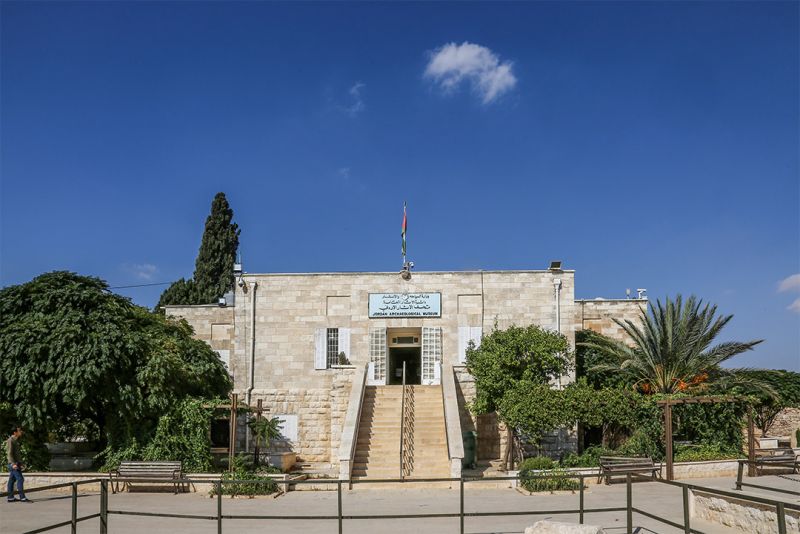
Perched high above the capital, the Archaeological Museum commands panoramic views of Amman’s sprawling urban landscape. Its modest dome and stone façade mirror the architectural harmony of the surrounding Citadel ruins, including the Temple of Hercules and the ancient Umayyad Palace. This setting enhances its mystique, allowing visitors to experience an uninterrupted dialogue between the artifacts inside and the monuments outside. Each step through the museum is a seamless blend of history and horizon, where past and present coexist beautifully. The architecture itself reflects Jordan’s enduring ability to preserve its identity while embracing progress.
Collections That Chronicle the Dawn of Civilization
The Archaeological Museum’s collection offers a breathtaking sweep of history, spanning the Paleolithic to the Islamic era. Among its crown jewels are the plastered skulls from Ain Ghazal—one of the earliest known artistic expressions of humanity. These Neolithic relics reveal how ancient Jordanians honored their ancestors and explored concepts of life and death. Bronze Age pottery, Iron Age weapons, and Byzantine mosaics further enrich this narrative of innovation and transformation. Visitors can admire Nabataean artifacts that once adorned The Treasury in Petra, a city often featured in Luxury Nile Cruises itineraries. Each artifact, whether delicate glassware or inscribed tablet, invites reflection on humanity’s relentless pursuit of beauty and meaning.
Unearthing the Dead Sea Scrolls and Biblical Heritage
One of the most captivating aspects of the Archaeological Museum lies in its display of a portion of the Dead Sea Scrolls. These ancient manuscripts, discovered in Qumran caves, represent a profound link between archaeology and religion. Their fragile parchment holds some of the earliest biblical writings, offering scholars invaluable insight into linguistic evolution and early spiritual thought. The museum’s careful preservation of these texts exemplifies its dedication to maintaining the integrity of world-changing discoveries. Visitors often find themselves awe-struck, contemplating how these scrolls bridge faith, history, and humanity’s shared narrative.
The Visitor Experience at the Archaeological Museum
Walking through the Archaeological Museum is akin to stepping into a time capsule. Each gallery immerses you in a distinct epoch—whether the Bronze Age, Roman, or Islamic period—through thematic displays that blend storytelling with science. Informative plaques, lighting, and spatial arrangement keep the exhibits engaging and accessible for both casual tourists and seasoned historians. The museum’s intimate size ensures that every piece receives the attention it deserves, making the experience deeply personal and enriching. For travelers who appreciate immersive cultural encounters, pairing a visit with excursions to nearby attractions like the Roman Theatre or Amman traditional souqs creates a perfect itinerary of heritage and local flavor.
Educational Importance and Cultural Preservation
The Archaeological Museum serves an indispensable role in education. Its exhibits are not static relics but dynamic teaching tools for schools, universities, and researchers. Each artifact provides tangible context for lessons in anthropology, art history, and theology. Beyond academia, the museum fosters public awareness about conservation, inspiring Jordanians to value their heritage amid modernization. By offering workshops, lectures, and guided tours, it actively participates in shaping cultural consciousness and global appreciation of Middle Eastern history. In times when heritage faces threats from conflict and neglect, the museum’s mission becomes even more vital—preserving identity while enlightening the world.
Technological Integration and Modern Upgrades
Recent years have seen the Archaeological Museum adopting digital advancements to enhance visitor engagement. Interactive screens, augmented-reality models, and multilingual audio guides now complement traditional displays. These innovations breathe new life into ancient artifacts, allowing visitors to visualize how objects were used or where they were found. Virtual tours also enable global audiences to explore the museum remotely, bridging geographical barriers. This fusion of technology and tradition ensures the museum remains relevant in a digital age while staying true to its purpose: celebrating human heritage.
The Archaeological Museum’s Role in Tourism and Economy
As one of Amman’s most visited sites, the Archaeological Museum significantly contributes to Jordan’s tourism sector. Its proximity to other landmarks makes it a natural inclusion in curated travel experiences such as Luxury Egypt Tours and regional circuits connecting Petra and the Dead Sea. For many travelers, it serves as an introduction to Jordan’s ancient heart, sparking curiosity to explore places like Jerash Roman ruins or the desert landscapes of Wadi Rum City. This synergy between cultural heritage and tourism fuels local economies and sustains preservation initiatives, ensuring that history continues to inspire prosperity.
Curatorial Excellence and International Collaborations
The Archaeological Museum’s global reputation stems from its collaborations with universities, research institutions, and museums abroad. Through archaeological partnerships, artifact exchanges, and joint exhibitions, it fosters cross-cultural dialogue that enriches both scholarship and diplomacy. These relationships not only preserve artifacts but also contextualize them within broader human narratives. The museum has played host to world-class exhibitions highlighting Nabataean art, Hellenistic sculpture, and Islamic calligraphy, attracting scholars from across continents. Its curators, archaeologists, and conservators work tirelessly to ensure that every item—whether a humble shard or royal inscription—receives meticulous care and interpretation.
Challenges and the Future of the Archaeological Museum
Like many heritage institutions, the Archaeological Museum faces challenges such as funding limitations, environmental wear, and the need for expanded facilities. However, ongoing restoration projects and community support promise a bright future. Plans for upgraded exhibition spaces and additional storage facilities are already underway, ensuring that future generations will continue to learn from these invaluable treasures. The museum’s vision is clear—to remain a cornerstone of Jordan’s cultural identity while embracing innovation that enhances accessibility and preservation.
Conclusion: A Living Testament to Human Ingenuity
The Archaeological Museum isn’t just a collection of ancient objects; it’s a mirror reflecting humanity’s enduring quest to understand itself. Every relic, from a chipped tool to a gilded amulet, tells a story of artistry, struggle, and progress. By visiting, travelers don’t just learn about Jordan—they connect with a universal heritage that transcends borders and time. The museum stands as a reminder that while civilizations may fade, their spirit endures in the artifacts they leave behind. In the heart of Amman, history doesn’t simply rest—it breathes, inviting all who enter to listen to its eternal voice.
Frequently Asked Questions About the Archaeological Museum
What is the Archaeological Museum in Amman known for?
The Archaeological Museum in Amman is renowned for its comprehensive collection of artifacts spanning prehistoric to Islamic eras. It’s especially famous for housing portions of the Dead Sea Scrolls and ancient relics from sites like Petra, Jerash, and Ain Ghazal. These exhibits illuminate the rich tapestry of Jordan’s archaeological legacy.
Where is the Archaeological Museum located?
The museum is located atop the Amman Citadel, one of the oldest continuously inhabited places in the world. Its elevated position provides breathtaking views of the capital and nearby historical landmarks, making it a central stop for heritage enthusiasts.
What are the must-see exhibits inside the Archaeological Museum?
Key highlights include the Neolithic plastered skulls from Ain Ghazal, Bronze Age pottery, Nabataean jewelry, and fragments of the Dead Sea Scrolls. Each piece captures a unique moment in Jordan’s ancient history, offering deep insight into the development of human civilization.
How long does it take to visit the Archaeological Museum?
Most visitors spend between one and two hours exploring the Archaeological Museum. However, those with a fascination for archaeology or ancient art often stay longer to study the details of individual exhibits and appreciate the museum’s tranquil atmosphere.
Is the Archaeological Museum worth visiting during a Jordan tour?
Absolutely. The museum provides invaluable context for the country’s famous archaeological sites, enhancing any itinerary that includes destinations such as Petra City, Jerash City, and Wadi Rum City. It’s an essential experience for anyone eager to uncover the roots of Jordan’s extraordinary cultural heritage.


