

Hammam Street
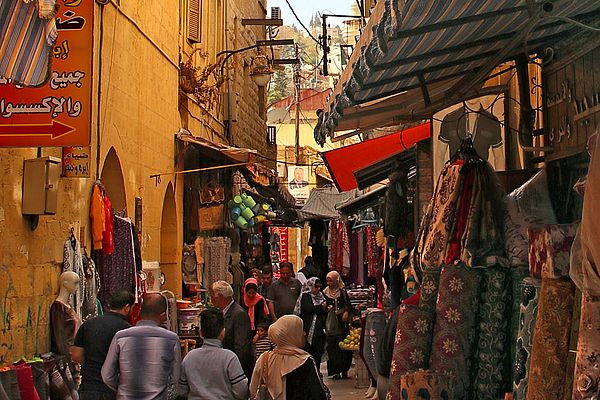
Hammam Street: The Living Heart of Salt’s Timeless Charm
Nestled within the captivating hills of Salt City, Hammam Street stands as one of Jordan’s most enchanting historical thoroughfares, where every step echoes centuries of trade, tradition, and architectural splendor. This celebrated street, often referred to as the soul of Salt, captures the authentic essence of Jordanian heritage through its preserved Ottoman-era facades, bustling local shops, and the irresistible aroma of freshly brewed Arabic coffee. Hammam Street isn’t merely a destination; it’s a journey through history, culture, and community spirit that thrives amid stone buildings and winding alleys.
Travelers seeking an authentic glimpse into Jordan’s past find Hammam Street irresistible. Its name, inspired by the ancient public bathhouses once located nearby, reflects the area’s deep-rooted social significance. Today, walking along this picturesque street feels like turning the pages of a living history book—each storefront narrating a chapter of Salt’s evolution from a regional trade hub into a UNESCO World Heritage site. The balance between the old and new gives Hammam Street its unique rhythm, drawing photographers, historians, and curious wanderers alike.
Those exploring Hammam Street can easily combine the experience with other cultural highlights, such as the Abu Jaber Mansion / Historic Old Salt Museum, where elegant architecture and historical narratives converge. Whether you’re sipping tea in a timeworn café or admiring the handcrafted wares in artisan boutiques, Hammam Street evokes a nostalgic charm that lingers long after the visit ends. The street’s magnetic pull lies in its ability to fuse tradition with vitality—offering a sensory experience that connects people to Salt’s enduring identity.
The Historical Significance of Hammam Street in Salt City
Hammam Street’s origins trace back to the late Ottoman period when Salt thrived as a major administrative and commercial center for the region. The street was aptly named after the hammams—traditional bathhouses—that once served as social gathering spots for the city’s inhabitants. These communal spaces were essential not only for hygiene but also for fostering dialogue and connection within the community. Over time, Hammam Street evolved into a marketplace brimming with merchants who traded goods ranging from spices to textiles, establishing Salt as a cornerstone of Jordanian commerce.
Salt’s recognition as one of Jordan’s oldest continuously inhabited cities amplifies the importance of Hammam Street. Its well-preserved buildings, adorned with arched windows and ornate balconies, mirror the Ottoman influence that shaped much of the Levant during the 19th century. Visitors exploring Salt City often find Hammam Street to be the most vivid representation of the town’s architectural legacy and cultural resilience.
As you wander through its narrow pathways, every stone and storefront seems to whisper stories of merchants, travelers, and artisans who once animated these lanes. Today, Hammam Street continues to serve as the beating heart of Salt’s old town, a living museum where heritage and modernity coexist in perfect harmony.
Architectural Elegance and Ottoman Heritage
One of the most striking features of Hammam Street is its architecture. The honey-colored sandstone buildings, meticulously constructed with local materials, embody the architectural brilliance of Salt’s golden age. The arched doorways, carved wooden shutters, and intricate ironwork showcase the craftsmanship of artisans who took immense pride in their work. These features lend Hammam Street an aesthetic consistency that makes it one of the most photogenic urban spaces in Jordan.
Visitors can take guided heritage walks that highlight the distinct Ottoman architectural styles. Many travelers pair this exploration with visits to nearby attractions like the Amman Citadel or the Temple of Hercules, creating a comprehensive journey through Jordan’s historical timeline. Each building along Hammam Street stands as a silent witness to the centuries of craftsmanship and cultural exchange that have shaped Salt’s identity.
Cultural Life and Local Experiences
Hammam Street offers a dynamic cultural experience that resonates with both locals and visitors. The street comes alive with vibrant shops selling handmade embroidery, traditional sweets, aromatic spices, and antiques. Shopkeepers, some of whom are descendants of the original merchants, greet visitors with warm hospitality that reflects Jordan’s renowned generosity. For food lovers, street vendors serve classic Jordanian snacks such as falafel, knafeh, and za’atar bread—delicacies that bring the scents and flavors of the Levant to life.
Artisans working along Hammam Street continue to uphold traditional crafts, ensuring that cultural heritage remains a living practice rather than a relic of the past. Travelers interested in cultural immersion can combine their visit with Egypt Private Tours or extensive Middle Eastern itineraries that connect the region’s historical dots. Each interaction on Hammam Street is an opportunity to learn, share, and appreciate the enduring spirit of Jordanian craftsmanship.
Modern Revitalization and Tourism Development
In recent years, Hammam Street has undergone thoughtful restoration efforts led by Jordan’s tourism and heritage authorities. The goal has been to preserve its authenticity while improving accessibility and visitor amenities. These initiatives have transformed Hammam Street into a model of sustainable tourism, allowing travelers to enjoy its historical depth without compromising cultural integrity. The restoration projects have also revitalized local businesses, ensuring that the street remains a thriving center of commerce and creativity.
Hammam Street’s resurgence has positioned it alongside other iconic heritage destinations such as Jerash City and Petra City. Visitors drawn by its charm often find themselves extending their stays to explore surrounding attractions, contributing to Salt’s economic growth. This synergy between preservation and tourism ensures Hammam Street remains a living, breathing emblem of Jordanian pride.
Top Attractions and Experiences on Hammam Street
Hammam Street’s allure lies in its diversity of experiences. From cultural landmarks to culinary delights, this bustling street offers endless discoveries for travelers seeking authenticity. Visitors can start their exploration at the historic hammam ruins before venturing into boutique shops that sell handmade jewelry, woven rugs, and traditional attire. Street-side cafés provide perfect vantage points to observe daily life, while art galleries showcase works inspired by Salt’s rich history.
Nearby, the Archaeological Museum further deepens the understanding of Salt’s heritage, displaying artifacts that trace the region’s evolution from ancient civilizations to modern times. Walking tours often highlight how Hammam Street served as a cultural bridge connecting the East and West, solidifying its role in shaping Jordan’s national identity. Every element—from the cobblestones underfoot to the call to prayer echoing through the valley—adds depth to this unforgettable experience.
Why Hammam Street Is a Must-Visit Destination in Jordan
Hammam Street offers travelers something few modern destinations can—an unfiltered encounter with living history. Its old-world charm, paired with the warmth of its people, creates an intimate atmosphere that’s both educational and inspiring. For history enthusiasts, it’s a chance to walk through centuries of heritage. For photographers, it’s a visual feast of textures, colors, and human moments. And for anyone seeking connection, it’s a place where stories unfold naturally in every conversation.
The street’s location in the heart of Salt makes it an ideal stop for those exploring Jordan’s cultural triangle, which includes Amman traditional souqs and other heritage-rich destinations. Hammam Street encapsulates the essence of Jordan—where hospitality meets history, and simplicity meets sophistication. It’s not just a street; it’s a celebration of heritage that continues to evolve gracefully with time.
FAQs About Hammam Street
1. Where is Hammam Street located?
Hammam Street is situated in the heart of Salt City, approximately 30 kilometers northwest of Amman, Jordan’s capital. It lies within the old town’s historic core, making it easily accessible for day trips and heritage tours.
2. Why is Hammam Street famous?
Hammam Street is renowned for its preserved Ottoman architecture, active local markets, and cultural significance as Salt’s main historic street. It captures the spirit of traditional Jordanian life and offers an authentic glimpse into the country’s past.
3. What can visitors do on Hammam Street?
Visitors can enjoy walking tours, shop for artisanal goods, taste traditional Jordanian food, and explore nearby attractions like the Abu Jaber Mansion. The street also offers charming cafés ideal for relaxing and soaking in the city’s ambiance.
4. When is the best time to visit Hammam Street?
The best time to visit Hammam Street is during spring and autumn when the weather is mild and comfortable for walking. These seasons also coincide with local festivals that showcase Salt’s cultural traditions and crafts.
5. How can travelers include Hammam Street in their itinerary?
Hammam Street can be easily incorporated into broader travel plans, especially for those exploring cultural heritage routes or embarking on Luxury Egypt Tours and Egypt and Jordan Tours. Salt’s proximity to Amman makes Hammam Street a convenient and enriching addition to any Middle Eastern journey.


