

Panoramic viewpoints of Umm Qais
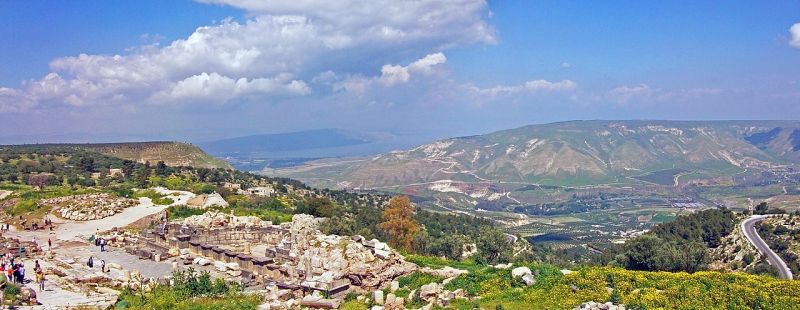
Panoramic Viewpoints of Umm Qais: A Window to Jordan’s Breathtaking Landscapes
Nestled on a high plateau in northern Jordan, Umm Qais offers one of the most captivating panoramic viewpoints in the Levant. Perched above the Yarmouk River gorge, this ancient Greco-Roman city of Gadara unveils sweeping views that extend across three countries—Jordan, Israel, and Syria. From its basalt ruins to the distant shimmer of the Sea of Galilee, every angle of Umm Qais tells a story of nature’s splendor intertwined with layers of history. Visitors often find themselves lost in the serene silence, broken only by the soft wind brushing past olive groves and ancient colonnades. The panoramic viewpoints of Umm Qais are not just about the scenery; they are a sensory immersion into culture, legacy, and geography.
The city’s elevated location makes it a strategic and scenic marvel. Beyond the archaeological significance of the Umm Qais archaeological site, the vistas provide an unforgettable perspective of Jordan’s natural beauty. Travelers seeking to pair cultural exploration with breathtaking views will find Umm Qais a must-see destination. Whether catching the golden glow of sunrise or the soft hues of dusk settling over the valley, the panoramic viewpoints of Umm Qais offer an unmatched visual symphony—one that continues to captivate historians, photographers, and nature enthusiasts alike.
Geographical Setting and Stunning Elevation of Umm Qais
Umm Qais’s panoramic viewpoints owe their allure to geography. Situated about 378 meters above sea level, the town overlooks the fertile Yarmouk basin and the Golan Heights. Its unique location enables visitors to witness three nations merging into one panoramic masterpiece. The land rolls gently from volcanic basalt hills into verdant plains, creating a contrasting palette that shifts with the sun’s movement. These high vantage points once served a tactical role during ancient times, providing visibility over trade routes and neighboring territories. Today, they serve a far more tranquil purpose—offering striking photo opportunities and a moment to reflect on the harmony between heritage and horizon.
Many guided Egypt and Jordan Tours include Umm Qais precisely because of this remarkable geography. The site’s combination of elevation and historical depth makes it one of the most rewarding stops in northern Jordan. On clear days, the views stretch all the way to Mount Hermon, its snowy peaks contrasting beautifully with the surrounding greenery. It’s a sight that etches itself into memory long after the journey ends.
The Northern Plateau and Its Unrivaled Natural Panorama
Standing on the northern plateau of Umm Qais, visitors are greeted by an unobstructed 180-degree view across the Jordan Valley. This spot is among the most photographed panoramic viewpoints in the Middle East. The plateau’s gentle slopes, dotted with wild herbs and olive groves, make it an ideal location for quiet contemplation or a leisurely picnic. The vantage point allows you to trace the winding course of the Yarmouk River as it meanders toward the Jordan River. The backdrop of rolling hills and distant water bodies creates a breathtaking tableau that feels almost surreal.
The area also provides a clear view of the Golan Heights and, on especially bright days, the Sea of Galilee shimmers like a silver mirror. The interplay of geological formations and atmospheric light conjures an ever-changing scene, ensuring that no two visits to Umm Qais ever look the same. Local guides often share stories of Gadara’s ancient philosophers who once admired these same views, linking the modern experience with millennia of human wonder.
Historic Charm and Panoramic Highlights Around the Ancient Ruins
The panoramic viewpoints of Umm Qais are beautifully framed by its immense archaeological wealth. Visitors can stroll through the colonnaded streets of Umm Qais leading toward the grand Roman theatre, where the horizon expands dramatically beyond the ancient stage. The theatres of Umm Qais themselves boast awe-inspiring views, particularly at sunset when golden light spills over the basalt stones. Each ruin, each column, and each vantage point reflects the passage of civilizations that marveled at the same scenery centuries ago.
As you wander through the remains, the panoramic viewpoints seem to draw your gaze outward, connecting the architectural beauty with the natural surroundings. This seamless blend of man-made and natural majesty defines Umm Qais as one of Jordan’s top cultural landscapes. Many travelers claim the views from the northern theatre are among the best in the region, rivaling even the vistas from Jerash City and other renowned archaeological sites.
Capturing the Perfect View: Photography and Visual Splendor
For photographers, the panoramic viewpoints of Umm Qais are pure gold. The interplay of light, shadow, and ancient stonework provides endless opportunities for creative shots. From early dawn, when the mist rolls through the valley, to twilight, when the horizon blushes with pastel shades, every hour brings a different mood. Professionals and amateurs alike are drawn to capture the raw authenticity of this highland paradise. Drone enthusiasts, too, find Umm Qais irresistible, as aerial shots reveal the intricate layout of the ancient city against the vast backdrop of northern Jordan.
Those planning a photography expedition might consider pairing their visit with nearby experiences such as the 8 Days Jordan Family Holiday for a well-rounded itinerary. Whether using a high-end camera or a smartphone, the natural lighting and sweeping perspectives of Umm Qais guarantee stunning visual results that encapsulate the spirit of Jordan’s highlands.
Local Encounters and Cultural Immersion at the Viewpoints
Beyond the views themselves, the panoramic viewpoints of Umm Qais serve as meeting grounds for cultural exchange. Locals often gather here during weekends, bringing homemade snacks and sharing stories that have been passed down for generations. The gentle hospitality of the people complements the tranquil landscape perfectly. Visitors can enjoy traditional Arabic coffee while overlooking the valleys that once connected ancient trade routes. This human connection enriches the experience, transforming a simple sightseeing stop into a deeply personal memory.
Nearby, cultural explorers can visit the basalt ruins of Umm Qais to gain insight into how architecture and environment coexisted harmoniously. Small local museums and artisan stalls offer additional glimpses into the region’s heritage. The panoramic viewpoints thus act not only as scenic highlights but as living links between people, place, and past.
Best Times to Visit and Seasonal Beauty of Umm Qais Viewpoints
The panoramic viewpoints of Umm Qais are mesmerizing year-round, but the seasons dramatically transform the landscape. Spring paints the hills with carpets of wildflowers and soft green hues, while autumn bathes the plateau in golden tones under crystal-clear skies. Winter brings a cool serenity, occasionally veiling the distant peaks with mist. Summer, though warm, rewards visitors with crisp sunsets that paint the sky in fiery oranges and pinks. For travelers seeking the best light for photography and comfort, early morning or late afternoon visits during spring or fall are ideal.
Combining your Umm Qais exploration with regional experiences like the Jordan Tours or a 5 Day Jordan Tour ensures a fulfilling itinerary covering the country’s most impressive landscapes and archaeological gems.
Combining Panoramic Views with Adventure and Relaxation
Visitors can extend their experience beyond sightseeing. Hiking trails around Umm Qais lead to quiet spots ideal for meditation, nature walks, or picnics. The gentle terrain allows travelers of all fitness levels to explore without difficulty. Local guides often include cultural stops, such as visits to nearby villages or basalt stone workshops, where artisans preserve ancient techniques. Adventure seekers may continue onward toward the Yarmouk Nature Reserve, where wildlife, rivers, and waterfalls await exploration. Whether you’re a photographer, historian, or simply a lover of wide horizons, Umm Qais provides a perfect blend of relaxation and discovery.
FAQs about Panoramic Viewpoints of Umm Qais
What makes the panoramic viewpoints of Umm Qais unique?
The panoramic viewpoints of Umm Qais are distinctive because they merge natural and historical beauty. From a single spot, visitors can overlook three nations while surrounded by Roman ruins and basalt architecture. This rare combination makes Umm Qais one of the most extraordinary viewing sites in Jordan.
When is the best time to visit Umm Qais for panoramic views?
The best times are spring and autumn when the weather is mild and the light conditions are ideal for photography. Early morning and late afternoon offer the most dramatic lighting while avoiding midday heat.
Can visitors access the panoramic viewpoints easily?
Yes, the viewpoints are accessible through well-maintained paths around the ruins. Some elevated spots may require short walks, but they are suitable for most visitors. Guided tours can help you navigate the best routes efficiently.
Are there facilities near the viewpoints of Umm Qais?
Yes, visitors will find cafes, rest areas, and small shops near the main archaeological site. Local restaurants serve authentic Jordanian dishes, and some terraces even offer dining with a view over the valley.
Can Umm Qais viewpoints be included in regional travel itineraries?
Absolutely. Many regional packages, including the Egypt and Jordan Tours, incorporate Umm Qais due to its scenic and cultural appeal. It’s an ideal addition to broader journeys exploring northern Jordan’s natural and archaeological wonders.


