

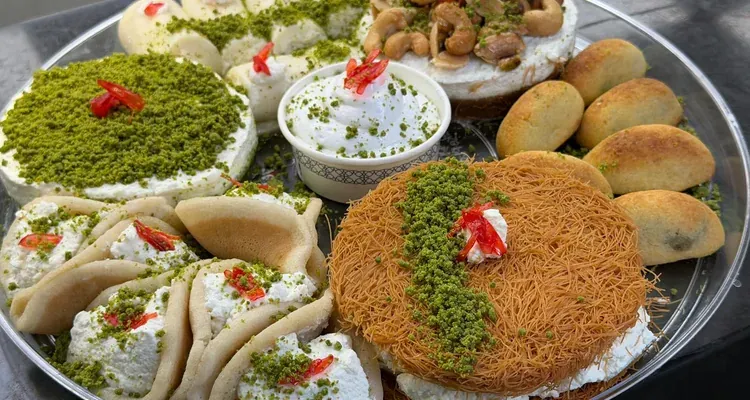
Qatayef: Ramadan Stuffed Pancakes Recipe
Qatayef are sweet stuffed pancakes, a beloved Egyptian dessert traditionally prepared during Ramadan. These golden, lacy pancakes are filled with a variety of nuts or sweet cheese, folded into half-moons, and either fried or baked before being drenched in fragrant sugar syrup. Qatayef are a staple at iftar tables, offering a perfect balance of texture and flavor during the holy month.
Key Takeaways
- Qatayef are crescent-shaped pancakes stuffed with nuts or cheese and enjoyed especially during Ramadan evenings.
- The batter for Qatayef is yeast-based, resulting in a soft, bubbly texture ideal for holding sweet fillings.
- Classic fillings include a mix of walnuts, pistachios, coconut, and sometimes sweetened ricotta or cream.
- Qatayef can be fried for a crispy finish or baked for a lighter version, then soaked in orange-blossom sugar syrup.
- This dessert is a highlight of Egyptian Ramadan cuisine and is often paired with other festive dishes.
The Cultural Significance of Qatayef During Ramadan
Qatayef hold a special place in Egyptian Ramadan traditions, symbolizing togetherness and celebration. As families gather for iftar, the evening meal to break the fast, Qatayef are eagerly anticipated. Their preparation is often a communal activity, with generations coming together to mix, fill, and cook these treats. The aroma of freshly made Qatayef wafts through Egyptian homes and Ramadan street markets, evoking nostalgia and joy.
While exploring Aswan Attractions or the bustling streets near the Babylon Fortress Cairo, visitors during Ramadan will find Qatayef at every corner, sold by street vendors and in bakeries alike.
Essential Ingredients for Authentic Qatayef
The foundation of Qatayef lies in its simple yet distinctive yeast-based batter. The batter is made from flour, semolina, yeast, baking powder, sugar, and water, resulting in pancakes with a delicate, porous texture. The most popular Qatayef fillings include a blend of chopped walnuts, pistachios, sugar, cinnamon, and sometimes raisins or coconut. For a creamy variation, sweetened ricotta or unsalted cheese is used. The sugar syrup, infused with orange blossom or rose water, completes the dessert with a floral sweetness.
For travelers inspired by Egyptian flavors, the Hamam Mahshi: Egyptian Stuffed Pigeon Recipe and Sambousek: Crispy Egyptian Stuffed Pastry Recipe offer further culinary adventures.
Classic Qatayef Batter Recipe
To achieve the signature Qatayef pancake, mix 1 cup all-purpose flour, 1/4 cup fine semolina, 1 teaspoon instant yeast, 1/2 teaspoon baking powder, 1 tablespoon sugar, and 1 1/4 cups warm water. Allow the batter to rest until bubbles form on the surface, indicating the yeast is active. Cook spoonfuls on one side only, creating a soft, porous pancake ready for filling.
Step-by-Step Guide: How to Make Qatayef at Home
Begin by preparing the batter and letting it rise. Heat a nonstick pan over medium heat and pour small rounds of batter, cooking until bubbles appear and the surface dries. Do not flip. Remove the pancakes and cover them with a towel to keep them soft and pliable. For the filling, combine 1 cup chopped walnuts, 2 tablespoons sugar, 1/2 teaspoon cinnamon, and 1 tablespoon shredded coconut. Place a spoonful in the center of each pancake, fold in half, and pinch the edges tightly to seal.
Choose your preferred cooking method: fry the stuffed pancakes in hot oil until golden and crisp, or bake them in a preheated oven for a lighter version. Immediately drizzle with cooled sugar syrup flavored with orange blossom water. For a twist, try filling Qatayef with sweetened cheese and serving them fresh without frying—a popular version known as Qatayef Asafiri.
Tips for Perfect Qatayef Texture
Ensure the batter is well-rested and bubbly before cooking. Cover the pancakes with a towel as they cool to prevent them from drying out. Always seal the edges firmly to keep the filling inside during cooking. Serve Qatayef warm for the best flavor and texture.
Popular Variations and Regional Twists
Across Egypt and the Middle East, Qatayef takes on different forms. In some regions, the pancakes are filled with sweet cream (ashta) and served fresh, while others favor nut fillings and deep frying. Egyptian Qatayef often feature a mix of walnuts, pistachios, and coconut, reflecting the country’s love for rich, textured desserts. For those who enjoy savory dishes, exploring recipes like Hawawshi: Egyptian Stuffed Meat Bread Recipe offers a delicious contrast to sweet Qatayef.
During Ramadan, Qatayef are a must-try alongside other festive favorites found in Hurghada Day Tours and Dahab Day Tours, where local markets and bakeries come alive with seasonal treats.
Pairing Qatayef with Egyptian Experiences
Enjoying Qatayef is more than a culinary delight; it’s an invitation to immerse yourself in Egypt’s vibrant Ramadan culture. Whether you’re on a Tanzania Zanzibar and Egypt Tour or discovering the wonders of a Luxor Egypt Solar Eclipse Tour, sampling Qatayef connects you to centuries-old traditions. Onboard a Jaz Nile Monarch Nile Cruise, guests often enjoy Qatayef as part of lavish Ramadan buffets, surrounded by the timeless scenery of the Nile.
For those seeking adventure, a 16 days south africa and egypt trip offers the chance to sample Qatayef alongside a diverse array of African and Middle Eastern cuisines, making every meal a discovery.
Qatayef in Modern Egyptian Dining
Today, Qatayef are enjoyed year-round in upscale restaurants and family kitchens alike. Their irresistible combination of crispy shell and luscious filling makes them a favorite at celebrations and special occasions beyond Ramadan. Many luxury hotels and Nile cruises, such as the Jaz Crown Jubilee, feature Qatayef on their dessert menus, often with creative fillings and modern presentations.
Where to Find the Best Qatayef in Egypt
In Cairo, renowned bakeries and Ramadan street stalls offer freshly made Qatayef throughout the holy month. Exploring local food markets during a Marsa Alam to Cairo Day Trip by Air is an excellent way to discover authentic Qatayef alongside other Egyptian sweets. In coastal destinations, visitors on a Hurghada Submarine Tour can sample Qatayef at local cafés and bakeries, often paired with traditional mint tea.
Families traveling with children will find Qatayef making workshops in many hotels, offering a hands-on way to experience Egyptian culture. For a broader culinary journey, combining Qatayef tasting with other local specialties during Hurghada Day Tours or a visit to vibrant Dahab Day Tours makes for an unforgettable experience.
Frequently Asked Questions
What is Qatayef and when is it traditionally served?
Qatayef are stuffed pancakes filled with nuts or sweet cheese, traditionally prepared and enjoyed during Ramadan evenings as a festive dessert.
What are the most common fillings for Qatayef?
The most common Qatayef fillings are a mixture of chopped walnuts, pistachios, sugar, cinnamon, coconut, or sweetened ricotta cheese, depending on regional preferences.
Can Qatayef be made ahead of time?
Qatayef pancakes can be prepared in advance and stored covered, but for best results, fill and cook them just before serving to retain their texture and freshness.
Are there savory versions of Qatayef?
While Qatayef are typically sweet, some modern interpretations include savory fillings like spiced meat or cheese, inspired by other Egyptian stuffed dishes such as Sambousek.
Where can visitors try authentic Qatayef in Egypt?
Authentic Qatayef can be found at bakeries, street stalls, and hotels during Ramadan, especially in major cities like Cairo and Aswan, and on luxury Nile cruises.