

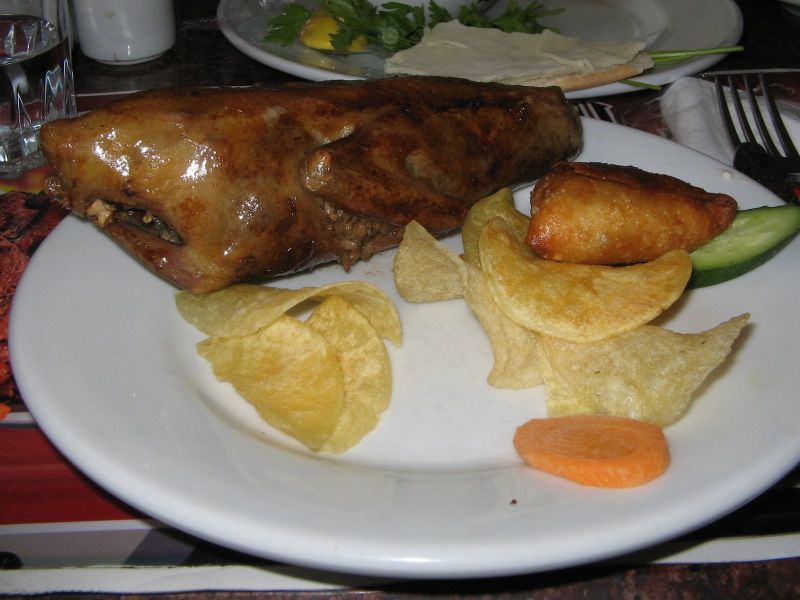
Hamam Mahshi: The Ultimate Guide to Egyptian Stuffed Pigeon
Hamam Mahshi, or Egyptian stuffed pigeon, is a celebrated delicacy featuring whole pigeons filled with seasoned rice or freekeh (cracked green wheat) and aromatic herbs, then roasted to golden perfection. This dish is a signature of Egyptian feasts, offering a unique blend of flavors and textures that reflect the country’s rich culinary heritage. It is a must-try for anyone seeking authentic Egyptian cuisine.
Key Takeaways
- Hamam Mahshi is a traditional Egyptian dish made by stuffing whole pigeons with rice or freekeh and herbs.
- Pigeons used for Hamam Mahshi are specially raised for tenderness and flavor.
- This dish is commonly served during festive occasions and family gatherings in Egypt.
- Freekeh, a roasted green wheat, is a popular stuffing ingredient offering a smoky, nutty flavor.
- Hamam Mahshi is available at specialty restaurants and can be experienced on curated food tours in Egypt.
The Cultural Significance of Hamam Mahshi in Egypt
Hamam Mahshi is more than just a meal; it is a symbol of hospitality and celebration in Egyptian culture. Stuffed pigeon is often prepared for weddings, holidays, and special family events, signifying abundance and care for guests. The ritual of preparing and sharing this dish connects generations and showcases the deep-rooted traditions of Egyptian cuisine. For travelers interested in local food heritage, exploring dishes like Hamam Mahshi offers insight into Egypt’s communal spirit and culinary artistry.
While exploring Cairo’s ancient streets, such as El Moez Street, visitors can find restaurants that have perfected this classic recipe over decades, making it a culinary highlight of any visit.
What Makes Egyptian Stuffed Pigeon Unique?
The pigeons used for Hamam Mahshi are not wild birds but rather farm-raised squabs bred specifically for their tender meat and mild flavor. These pigeons are carefully cleaned, marinated with spices, and filled with a mixture of rice or freekeh—a traditional Egyptian grain—mixed with onions, liver, cinnamon, cumin, coriander, and fresh herbs. The birds are then stitched or secured to keep the stuffing in place before being simmered and roasted, resulting in juicy meat and fragrant, flavorful stuffing.
Pairing Hamam Mahshi with classic Egyptian sides like molokhia (jute leaf soup) or roasted potatoes enhances the experience, creating a meal that is both comforting and luxurious.
Hamam Mahshi vs. Other Egyptian Mahshi Dishes
| Dish | Main Ingredient | Stuffing | Cooking Method | Common Occasions |
|---|---|---|---|---|
| Hamam Mahshi | Pigeon | Rice or freekeh with herbs | Simmered, then roasted | Weddings, feasts |
| Mahshi (Vegetables) | Eggplant, zucchini, peppers | Rice with tomato and herbs | Baked in tomato sauce | Family meals, Ramadan |
For a broader exploration of Egypt’s stuffed dishes, read about the classic Mahshi: Egyptian Stuffed Vegetables Recipe and discover the diversity of flavors across the country.
Step-by-Step: How to Make Hamam Mahshi at Home
Preparing Hamam Mahshi may seem daunting, but with the right ingredients and techniques, it becomes a rewarding culinary adventure. Begin by sourcing young, plump pigeons from a reputable butcher or specialty market. The stuffing requires rice or freekeh, finely chopped onions, pigeon liver (optional), fresh parsley, dill, coriander, and a blend of spices such as cinnamon, cumin, and allspice. Sauté the aromatics, mix with grains, and use this mixture to fill the cleaned pigeons.
Once stuffed, the pigeons are trussed and simmered in a flavorful broth until nearly cooked through, then brushed with butter and roasted until the skin is crisp and golden. This dual cooking method ensures succulent meat and a rich, aromatic stuffing. Serve immediately with a squeeze of lemon and a side of pickled vegetables for an authentic Egyptian experience.
Where to Try Hamam Mahshi in Egypt
Cairo’s historic districts are home to some of the best Hamam Mahshi restaurants, many located near iconic landmarks such as the Al Rifai Mosque and Sultan Hassan Mosque. These venues often use time-honored family recipes and fresh, locally sourced ingredients, ensuring a truly memorable meal. In addition, food-focused tours, such as those included in the 08 Days Egypt All Inclusive Holiday, offer curated opportunities to sample Hamam Mahshi and other national specialties.
Travelers on a Movenpick Prince Abbas Lake Cruise or the elegant Akhnaton Dahabiya can also enjoy traditional Egyptian cuisine prepared by expert chefs while sailing along the Nile, creating a luxurious and immersive dining experience.
Pairing Hamam Mahshi with Egypt’s Iconic Sights
Sampling Hamam Mahshi is best combined with a day of cultural exploration. After visiting the architectural marvel of the Mosque of Ibn Tulun, one of Cairo’s oldest mosques, or strolling through the vibrant lanes of El Moez Street, settle into a local eatery for a restorative meal. Many culinary tours pair visits to these attractions with tastings of classic dishes, providing context and flavor in equal measure.
Tips for Enjoying Hamam Mahshi Like a Local
To savor Hamam Mahshi as Egyptians do, eat it hot and fresh, using your hands to pull apart the tender meat and scoop the savory stuffing. Pair it with tangy pickles, fresh salad, and a glass of hibiscus tea or mint lemonade. For a truly immersive experience, join a family-style meal during your journey, often included in 11 Days All Inclusive Egypt Tour Package options.
Hamam Mahshi and the Story of Egyptian Hospitality
Egyptian hospitality is legendary, and Hamam Mahshi sits at its heart. Preparing this dish for guests is an expression of generosity and respect, often reserved for the most honored visitors. The complexity of the recipe and the care invested in its preparation reflect the importance of sharing good food as a way of building community and celebrating togetherness.
Exploring Egypt’s traditions, whether through cuisine, history, or architecture, deepens travelers’ understanding of the local culture. Those passionate about storytelling and heritage may appreciate the rich mythologies, such as The Legend of Osiris and Isis, which are woven into the country’s identity.
Frequently Asked Questions about Hamam Mahshi
Is Hamam Mahshi safe for tourists to try in Egypt?
Hamam Mahshi is safe for tourists to enjoy at reputable restaurants and hotels in Egypt, where hygiene standards are strictly maintained and ingredients are fresh and locally sourced.
Can I find Hamam Mahshi outside of Egypt?
Hamam Mahshi is available at select Middle Eastern and North African restaurants worldwide, especially in cities with large Egyptian communities, but the most authentic experience is in Egypt.
What does stuffed pigeon taste like?
Stuffed pigeon has a delicate, mildly gamey flavor with juicy, tender meat complemented by the herby, spiced stuffing, creating a unique and satisfying taste profile.
Is Hamam Mahshi suitable for people with dietary restrictions?
Hamam Mahshi contains grains, spices, and sometimes pigeon liver, so those with specific allergies or dietary restrictions should inquire about ingredients before ordering.
Are there vegetarian alternatives to Hamam Mahshi?
Vegetarian alternatives include Mahshi dishes made with stuffed vegetables such as zucchini, grape leaves, or eggplant, filled with rice and herbs, widely available throughout Egypt.
Where can I learn more about Egyptian food culture?
Nature lovers might also be inspired by Why Explore National Parks in Egypt?, combining outdoor exploration with food discoveries in rural communities.
Image: medea_material, CC BY 2.0, via Wikimedia Commons