

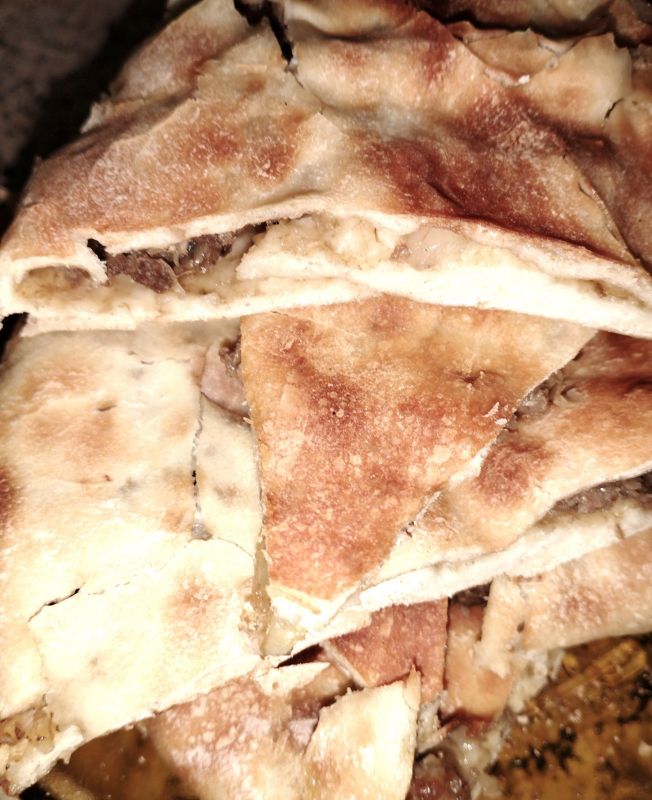
Hawawshi is a beloved Egyptian street food consisting of spiced minced meat stuffed inside crispy bread, then baked or grilled until golden. This hearty dish delivers bold flavors and is easy to recreate at home, making it a favorite for both locals and visitors seeking an authentic taste of Egypt’s culinary heritage.
Key Takeaways
- Hawawshi is made by stuffing seasoned minced beef or lamb into Egyptian baladi bread and baking or grilling it.
- This dish is found everywhere in Egypt, from street vendors to top restaurants in Cairo and Alexandria.
- Spices like cumin, coriander, and chili give hawawshi its signature flavor.
- Traditional hawawshi uses baladi bread, but pita or flatbread can substitute in homemade recipes.
- Hawawshi is often served with tahini, pickles, and fresh salad for a complete meal.
The Origins and Popularity of Hawawshi in Egypt
Hawawshi’s roots trace back to Cairo in the mid-20th century, where it quickly became a staple for Egyptians on the go. The dish is named after its creator, Ahmed Al-Hawawshi, who first sold these stuffed breads from a small shop. Today, hawawshi is enjoyed throughout Egypt, from the bustling markets near Abdeen Palace to the Mediterranean streets of Alexandria City. Locals appreciate its affordability and satisfying flavors, while travelers are drawn to its authentic taste and cultural significance. Experiencing hawawshi is a culinary journey that reveals the vibrancy of Egyptian life, much like exploring the ancient wonders discussed in Egypt Then and Now.
What Makes Hawawshi Unique Among Egyptian Dishes?
Unlike other Egyptian favorites such as Egyptian Fattah, hawawshi is defined by its crunchy bread shell and spicy, juicy filling. The use of baladi bread—a rustic, whole wheat Egyptian flatbread—creates a crisp exterior that contrasts beautifully with the moist meat inside. The filling is a fragrant mixture of ground beef or lamb, onions, peppers, and a blend of spices including cumin, paprika, and chili flakes. This combination delivers a warming, robust flavor profile that stands out in Egyptian cuisine.
Essential Ingredients and Substitutions for Hawawshi
The core ingredients for authentic hawawshi include ground beef or lamb, onions, green peppers, tomatoes, and a medley of spices. Baladi bread is traditional, but pita bread or any sturdy flatbread can be used when making hawawshi outside of Egypt. For a vegetarian twist, mushrooms or lentils can replace the meat, offering a satisfying alternative. Many home cooks add chopped parsley or fresh chili for extra flavor.
Classic Hawawshi Recipe: Step-by-Step Guide
Making hawawshi at home is simple and rewarding. Begin by mixing ground meat with finely chopped onions, green peppers, tomatoes, and fresh parsley. Season generously with cumin, coriander, paprika, black pepper, and chili flakes. Cut your bread in half and gently open the pocket, then stuff with the meat mixture. Brush the outside with a little oil for crispiness, and bake in a preheated oven at 200°C (390°F) for 15–20 minutes, or until the bread is golden and the filling is cooked through. Serve hot with tahini sauce, pickles, or a crisp salad. For more inspiration on Egyptian culinary traditions, explore the stories behind local dishes in The Legend of Osiris and Isis.
Hawawshi Variations Across Egypt
Regional variations of hawawshi reflect Egypt’s diverse culinary landscape. In Alexandria, “Iskandarani hawawshi” is prepared with thinner bread and often includes extra chili and spices for a fiery kick. In Upper Egypt, especially in Luxor City, hawawshi may be cooked in wood-fired ovens, imparting a smoky flavor. Some recipes add cheese or use different types of bread, catering to local tastes and preferences. Exploring these variations is as rewarding as discovering the differences between the vessels on a Meroe Dahabiya or an Agatha Dahabiya cruise.
Hawawshi: Street Food Culture and Where to Taste the Best
Hawawshi is a cornerstone of Egyptian street food culture, sold from bustling carts and family-run bakeries. In Cairo, renowned hawawshi shops serve locals and tourists alike, often near landmarks such as The Egyptian Museum of Cairo. Alexandria’s seaside vendors offer their own spicy twist, while upscale restaurants present gourmet versions with premium meats and creative fillings.
Pairing Hawawshi with Egyptian Sides and Beverages
Hawawshi pairs perfectly with classic Egyptian sides such as tahini dip, pickled vegetables, and fresh cucumber-tomato salad. For a complete meal, add a bowl of lentil soup or a plate of fries. Popular beverages to accompany hawawshi include hibiscus tea or cold lemon-mint juice, both refreshing choices that balance the richness of the meat.
Hawawshi for the Home Cook: Tips and Tricks
To achieve the signature crunch of street hawawshi, use a hot oven and brush the bread with oil or melted butter before baking. For extra juiciness, choose meat with a bit of fat and avoid overstuffing the bread. If you’re short on time, prepare the filling in advance and refrigerate until ready to assemble. Hawawshi freezes well, making it an excellent option for quick meals. These practical tips are as useful for the home cook as travel advice found in Solo Female Travel Egypt is for globetrotters.
Hawawshi vs. Similar Middle Eastern Dishes
While hawawshi shares similarities with Middle Eastern dishes like Lebanese arayes (meat-stuffed pita), it stands apart due to its use of Egyptian spices and baladi bread. The result is a bolder, more aromatic flavor profile. Hawawshi is also distinct from Turkish pide and other stuffed flatbreads thanks to its unique preparation and cultural context.
Including Hawawshi in Your Egyptian Culinary Adventure
Many travelers seek out hawawshi as part of their Egyptian food adventure. Culinary tours often include hawawshi tastings, and some even offer hands-on cooking classes. These experiences are often paired with explorations of historical sites, much like those found on the Egypt and Jordan Itinerary 7 Days.
Hawawshi as a Symbol of Egyptian Hospitality
Hawawshi is more than just a meal—it’s a symbol of Egyptian hospitality and community. Sharing hawawshi at family gatherings, festivals, and street celebrations is a cherished tradition. For those who wish to immerse themselves in local culture, joining a family for a hawawshi dinner can be as memorable as visiting ancient temples or palaces. This spirit of sharing and warmth is reflected in curated experiences like the 10 Days Egypt and Jordan Tours with Nile Cruise.
Frequently Asked Questions: Hawawshi in Egypt
What is the main difference between hawawshi and arayes?
The main difference between hawawshi and arayes is that hawawshi uses Egyptian baladi bread and a unique spice blend, while arayes is typically made with Lebanese pita and milder seasonings.
Can I make hawawshi with chicken or vegetarian fillings?
You can make hawawshi with chicken, mushrooms, or lentils as a substitute for beef or lamb, creating a lighter or vegetarian-friendly version of the dish.
Where can I find the best hawawshi in Cairo?
The best hawawshi in Cairo is often found at local bakeries and street vendors near landmarks like Abdeen Palace and The Egyptian Museum of Cairo, where traditional recipes are preserved.
Is hawawshi commonly served in Egyptian restaurants abroad?
Hawawshi is increasingly appearing on the menus of Egyptian restaurants abroad, especially in cities with large Egyptian communities, offering a taste of authentic Egyptian street food.
What are the best sides to serve with hawawshi?
The best sides to serve with hawawshi are tahini sauce, pickled vegetables, fresh salad, and sometimes fries or lentil soup for a complete Egyptian meal experience.
How spicy is traditional hawawshi?
Traditional hawawshi is moderately spicy due to the use of chili and black pepper, but the heat level can be adjusted to taste by varying the amount of chili in the filling.
Can I freeze hawawshi for later?
Hawawshi can be frozen after baking and reheated in the oven, making it a convenient option for meal prep or quick snacks.
Does hawawshi play a role in Egyptian festivals or holidays?
Hawawshi is often enjoyed during family gatherings, festivals, and special occasions, reflecting its popularity as a communal and celebratory food in Egypt.
Image: Mohamed Moheyeldin, CC BY-SA 4.0, via Wikimedia Commons