

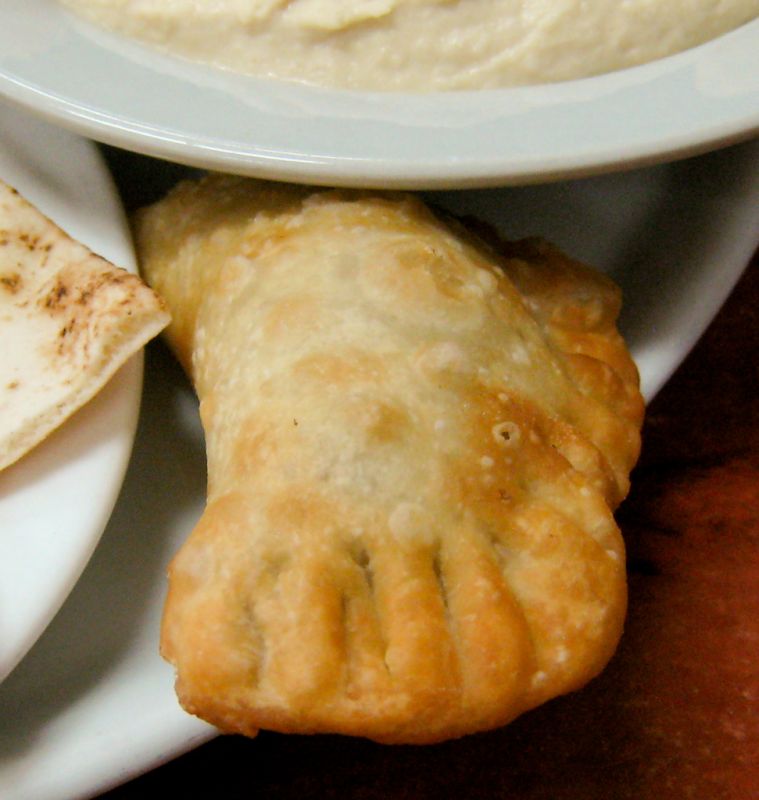
Sambousek: Crispy Egyptian Stuffed Pastry Recipe
Sambousek is a beloved Egyptian pastry, crisp on the outside and deliciously stuffed with spiced fillings like meat, cheese, or vegetables. This classic snack is easy to prepare at home and is often served as an appetizer during Ramadan, family gatherings, and festive celebrations. Mastering sambousek lets you bring an authentic taste of Egypt to your kitchen.
Key Takeaways
- Sambousek is a traditional Egyptian pastry filled with savory ingredients such as minced beef, cheese, or vegetables.
- It is typically deep-fried for a golden, crispy finish, though baking is a lighter alternative.
- Sambousek is especially popular during Ramadan and Egyptian festive occasions.
- The dough can be homemade or store-bought, making the recipe accessible for all skill levels.
- Regional variations exist, with fillings and spices reflecting local tastes from Aswan City to Hurghada City.
The Allure of Sambousek in Egyptian Cuisine
Sambousek, sometimes spelled sambousak or sambusa, is a staple in Egyptian and Middle Eastern cuisine. Its flaky pastry shell and flavorful fillings perfectly capture the essence of Egyptian hospitality and culinary tradition. Whether enjoyed as a street food snack in Cairo City or as part of a lavish feast, sambousek is a symbol of togetherness and celebration.
The origins of sambousek trace back to ancient times, with influences from Persian and Ottoman kitchens. Today, it remains a cherished dish across Egypt, often appearing alongside other favorites like beef kofta and falafel. Its versatility also allows for endless creativity—home cooks and chefs alike experiment with different fillings and spices, making every sambousek unique.
Essential Ingredients for Authentic Sambousek
Traditional sambousek dough is made from flour, water, salt, and a touch of oil, resulting in a pliable and easy-to-roll pastry. For convenience, many opt for ready-made spring roll wrappers or phyllo pastry sheets. The classic fillings range from seasoned minced beef and onions to creamy feta cheese and spinach. Regional specialties, such as those found in Fayoum City, might include local herbs or spiced vegetables.
Popular spices include cumin, coriander, cinnamon, and allspice, which impart a distinctly Egyptian flavor profile. Black pepper, fresh parsley, and pine nuts are often added for texture and aroma. The result is a pastry that is rich, aromatic, and utterly satisfying—perfect for sharing with family and friends.
Comparing Sambousek Fillings and Cooking Methods
| Filling Type | Main Ingredients | Popular Region | Cooking Method |
|---|---|---|---|
| Minced Beef | Beef, onions, spices | Cairo, Aswan | Deep-fried |
| Cheese & Herbs | Feta, parsley, mint | Fayoum, Alexandria | Baked or deep-fried |
| Vegetable | Spinach, carrots, spices | Hurghada, Luxor | Baked |
Step-by-Step Sambousek Recipe
Ingredients
For the dough:
- 2 cups all-purpose flour
- 1/2 teaspoon salt
- 2 tablespoons vegetable oil
- 3/4 cup warm water
For the beef filling:
- 250g minced beef
- 1 small onion, finely chopped
- 1 teaspoon ground cumin
- 1/2 teaspoon ground coriander
- 1/4 teaspoon cinnamon
- Salt and black pepper to taste
- 2 tablespoons chopped parsley
Instructions
- Mix flour and salt in a bowl. Add oil and water, knead until a soft dough forms. Cover and let rest for 30 minutes.
- Meanwhile, sauté onions in a pan until golden. Add minced beef and cook until browned. Stir in spices, salt, and pepper. Remove from heat and mix in parsley. Allow filling to cool.
- Divide dough into small balls. Roll each into a thin circle, about 10 cm in diameter.
- Place a spoonful of filling in the center of each circle. Fold over and seal the edges with a fork.
- Heat oil in a deep pan. Fry sambousek in batches until golden and crisp. Drain on paper towels.
- Serve hot, garnished with fresh herbs or alongside a yogurt dip.
Sambousek pairs beautifully with mezze platters and can be featured in luxurious spreads during festive occasions, such as those offered on Cairo and Nile Cruise Packages.
Regional Variations and Festive Traditions
Across Egypt, sambousek takes on different forms and flavors. In Upper Egypt, fillings often incorporate local cheeses and fresh greens, while coastal areas favor seafood or spiced vegetables. During Ramadan, sambousek is a staple at the iftar table, symbolizing abundance and hospitality. It also features in holiday feasts and family gatherings, much like the dishes highlighted in our Egypt Christmas Tours collection.
The pastry's adaptability means it is enjoyed by all generations, from children savoring cheese sambousek to elders reminiscing about family recipes passed down through the years. Its presence at Egyptian celebrations reflects the nation's deep-rooted culinary heritage and love for sharing food.
Sambousek and the Egyptian Table: Serving Ideas
Sambousek is best served fresh and warm, making it an ideal starter or snack for any occasion. It complements an array of Egyptian dishes, including dips like baba ghanoush and tahini. For a complete Egyptian culinary journey, consider pairing sambousek with a traditional meal after an excursion to Mount Sinai and St. Catherine's Monastery or after a day exploring the wonders of Nile cruises.
Many luxury Nile cruise itineraries, such as the 4 Day 3 Night Nile Cruise from Aswan to Luxor, feature curated menus that include sambousek, allowing guests to savor authentic Egyptian flavors while sailing the legendary river. These culinary experiences are a highlight for travelers seeking both adventure and gastronomy.
Tips for Perfect Sambousek Every Time
Achieving the perfect sambousek requires attention to detail. Ensure the dough is thin and elastic for a crisp finish. Do not overfill the pastry, as this can cause it to burst during frying. Seal the edges tightly to prevent oil from seeping in. For a lighter version, brush the pastries with oil and bake in a preheated oven until golden.
Experiment with fillings to suit your preferences—try a mixture of feta and spinach, or add toasted pine nuts for extra crunch. For special occasions, serve sambousek alongside other Egyptian delicacies, as seen in our Luxury Egypt Tour Package.
Where to Enjoy Sambousek in Egypt
While sambousek is easy to make at home, nothing compares to tasting it in its homeland. Egyptian restaurants, cafes, and even street vendors offer fresh sambousek throughout the country. Cities like Hurghada City and Aswan City are renowned for their local twists on this classic pastry.
Travelers on the 8 day Cairo and Nile cruise tour can sample sambousek as part of the onboard dining experience, while those exploring Egypt’s vibrant cities will find it featured on most mezze menus.
Sambousek in Egyptian Culture: More Than a Pastry
Sambousek is woven into the fabric of Egyptian culture, representing more than just food. It is a symbol of generosity, family, and tradition. Its presence at gatherings and celebrations connects generations and creates lasting memories. The story of sambousek intertwines with Egypt’s rich history, much like the legends recounted in The Legend of Osiris and Isis.
For those interested in the broader context of Egyptian culinary and cultural traditions, resources like Why Explore National Parks in Egypt? and Civilizations That Built Pyramids & Why offer further insight into the nation’s rich heritage.
Frequently Asked Questions
What is sambousek made of?
Sambousek is made from a thin pastry dough filled with ingredients such as spiced minced beef, cheese, or vegetables, then deep-fried or baked until crispy.
Is sambousek only eaten during Ramadan?
Sambousek is especially popular during Ramadan but is enjoyed year-round in Egypt as an appetizer or snack at family gatherings and celebrations.
Can sambousek be baked instead of fried?
Sambousek can be baked for a lighter version by brushing the pastries with oil and baking until golden, though the traditional method is deep-frying.
Where can I try authentic sambousek in Egypt?
Authentic sambousek can be found at restaurants, cafes, and street vendors across Egypt, particularly in cities such as Cairo, Aswan, and Hurghada.
What other Egyptian dishes pair well with sambousek?
Sambousek pairs well with mezze dishes, dips like baba ghanoush and tahini, and main courses such as grilled meats and stews, as featured in Pyramid Underground Structures Explained.
Are there vegetarian versions of sambousek?
Vegetarian sambousek is common and often filled with cheese, spinach, or spiced vegetables, making it suitable for a variety of dietary preferences.
Can sambousek be prepared in advance?
Sambousek can be assembled and refrigerated before cooking, or frozen for later use, making it a convenient option for entertaining or meal prep during trips such as Lake Nasser Cruises or other Egyptian adventures.
Is sambousek unique to Egypt?
Sambousek is enjoyed throughout the Middle East and North Africa, but Egyptian versions have distinct fillings and spices that reflect local tastes and traditions.
What is the difference between sambousek and samosa?
Sambousek and samosa are similar stuffed pastries, but sambousek typically features Middle Eastern fillings and spices, while samosas are associated with South Asian cuisine and often include potatoes and peas.
How do I make sambousek dough from scratch?
To make sambousek dough, combine flour, salt, oil, and warm water, knead until smooth, and let it rest before rolling and filling, as outlined in the recipe above or during culinary stops on the How Many Pyramids Are in the World? educational tours.
Image: Charles Haynes, CC BY-SA 2.0, via Wikimedia Commons