
Babylon Fortress: The Timeless Guardian of Old Cairo’s Heritage

Babylon Fortress, often called the ‘Gate of Cairo,’ stands as one of Egypt’s most remarkable historical structures, embodying centuries of resilience and transformation. Perched by the Nile River in the heart of Coptic Cairo, this ancient fortress serves as a living witness to Egypt’s layered civilizations — Pharaonic, Persian, Roman, Byzantine, and Islamic. The Babylon Fortress doesn’t merely exist as a relic; it narrates a compelling story of power, faith, and architectural endurance. Travelers exploring Old Cairo find themselves immersed in the echoes of past empires, where towering stone walls recall the might of Rome and the early whispers of Christianity in Egypt.
Built originally as a defensive stronghold, Babylon Fortress became the foundation upon which some of Cairo’s most sacred monuments rose, including The Hanging Church and the Coptic Museum. Its massive limestone walls conceal secrets of imperial battles and religious devotion. The fortress marks the birthplace of Coptic Christianity’s most enduring legacy, offering a vivid contrast between military might and spiritual grace. Over time, it evolved into a nucleus of cultural continuity, blending Roman precision with Egyptian artistry. Today, the Babylon Fortress remains an essential stop for anyone tracing Egypt’s Christian and Islamic heritage. Visiting it feels like walking through a time portal — where every stone tells a story, every arch whispers history, and every shadow hides a legend.
The Origins of Babylon Fortress: From Persian Outpost to Roman Stronghold
The history of Babylon Fortress stretches back nearly 2,600 years, predating even the founding of modern Cairo. Initially, it’s believed the Persians constructed a small fortification near the Nile to control river traffic during their occupation in the 6th century BCE. However, it was the Romans who, around the 1st century CE, transformed this modest outpost into the formidable Babylon Fortress we recognize today. Situated strategically between Upper and Lower Egypt, the fortress became a linchpin for controlling access along the river — the lifeline of Egyptian civilization. Its very location underscores its immense strategic value; whoever held Babylon controlled Egypt’s flow of goods, soldiers, and influence.
Roman engineers, renowned for their architectural ingenuity, rebuilt the fortress using red and white limestone blocks, establishing walls that stretched over 600 feet with towers rising 30 feet high. The Babylon Fortress soon evolved into a military and administrative hub, hosting Roman legions tasked with overseeing Egypt’s most vital province. In fact, its name — Babylon — might have derived from the ancient Egyptian term ‘Per-Hapi-En-On,’ later Hellenized by the Greeks and Romans. As centuries passed, the fortress remained a critical anchor for governance, trade, and defense, even as empires shifted around it. To experience its grandeur today is to appreciate the very backbone of ancient military architecture that underpinned the making of Cairo itself.
The Architectural Grandeur of Babylon Fortress
Babylon Fortress boasts architectural brilliance that transcends time. Its Roman-style construction reveals meticulous craftsmanship — thick, massive walls designed to resist both attack and erosion, semicircular bastions for archers, and robust gatehouses controlling access to the city. Over time, the structure was adapted to suit different rulers’ needs, blending Roman engineering with Byzantine influences and later Islamic enhancements. Even after centuries of floods, battles, and urban expansion, much of the fortress’s core remains intact, a testament to the genius of its builders.
Walking along the fortress’s perimeter, one can still see remnants of the old Roman towers, their weathered stones adorned with traces of ancient mortar. The interiors, now hosting churches and museums, display arches that bridge eras — pagan, Christian, and Islamic — in seamless harmony. The fortress not only protected ancient Fustat, Egypt’s first Islamic capital, but also sheltered generations of believers who shaped Egypt’s spiritual landscape. For architecture enthusiasts, Babylon Fortress offers a rare glimpse into the evolving design language that defined Mediterranean and Middle Eastern fortifications for millennia.
Babylon Fortress and the Birth of Coptic Christianity
Babylon Fortress plays an extraordinary role in the rise of Coptic Christianity. When Christianity began to spread through Egypt in the 1st century CE, many believers sought refuge within its sturdy walls. It was here, according to tradition, that the Holy Family — Mary, Joseph, and the infant Jesus — stopped during their flight into Egypt, a journey celebrated in Christian lore and detailed in The Journey of the Holy Family in Egypt. This sacred connection transformed the fortress into a revered spiritual sanctuary. Later, the area became home to Egypt’s earliest churches, including the Hanging Church (El Muallaqa), Saint Sergius (Abu Serga), and Saint Barbara’s Church.
Within its walls, early Christians worshipped in secrecy, preserving their faith under Roman and Byzantine rule. By the time Islam reached Egypt in the 7th century, Babylon Fortress had already become the spiritual heart of Egypt’s Coptic community. The relics, icons, and manuscripts preserved here illuminate centuries of devotion, persecution, and perseverance. To this day, pilgrims and historians alike walk the fortress corridors soaking in the atmosphere of faith and endurance that radiates through every ancient brick.
The Fortress During the Islamic Conquest of Egypt
When the Muslim armies under Amr ibn al-As marched into Egypt in 640 CE, Babylon Fortress stood as the final Roman bastion of resistance. The siege lasted several months, demonstrating the fortress’s formidable defenses and symbolic importance. Upon its capture, the Muslim general established Fustat nearby — the city that would evolve into Cairo. Thus, Babylon Fortress became not only a relic of the fallen Byzantine Empire but also the cornerstone of Egypt’s new Islamic identity.
Rather than destroying it, the conquerors recognized its strategic value and repurposed parts of the fortress for administrative and military functions. The surrounding district blossomed with markets, mosques, and homes, blending Roman foundations with Islamic architecture. This cultural fusion turned Old Cairo into a living museum of coexistence, where the fortress stood as a silent mediator between faiths and empires. Visitors today can trace this continuity through the city’s layered streets, where Roman stones still support Islamic minarets and Coptic domes.
Babylon Fortress as a Cultural and Religious Nexus in Old Cairo
Few places capture Egypt’s multicultural essence as vividly as Babylon Fortress. Its proximity to landmarks like the Ben Ezra Synagogue and the Salah El Din Citadel highlights its role as a bridge between faiths. Within a few footsteps, one can explore churches, mosques, and synagogues, symbolizing centuries of religious coexistence. The fortress, much like the city itself, represents Egypt’s genius for adaptation — a meeting point where cultures merged and civilizations intertwined.
Today, the fortress is an integral part of any historical exploration through Cairo. Many Cairo Day Tours include Babylon Fortress on their itinerary, showcasing its immense cultural value. Strolling through its ancient gates, visitors sense how this single monument encapsulates Egyptian resilience, diversity, and beauty. From Roman soldiers to Coptic monks to Islamic scholars, every generation left its mark, turning Babylon Fortress into an open-air chronicle of Egypt’s evolution.
Inside the Walls: Exploring the Fort’s Hidden Treasures
Exploring inside the Babylon Fortress feels like unraveling a historical tapestry. The Coptic Museum, nestled within its walls, houses priceless artifacts representing two thousand years of Egyptian Christian heritage — manuscripts, textiles, sculptures, and icons that illuminate the Coptic culture’s journey. Nearby, the Hanging Church hovers dramatically above the fortress’s southern gate, appearing to defy gravity. This architectural marvel, one of the oldest churches in Egypt, is a vivid illustration of early Christian artistry and devotion.
Moreover, the Church of Saint Sergius and Bacchus, built over a cave believed to have sheltered the Holy Family, adds spiritual depth to the site. Every corner of the fortress resonates with sacred history, making it not only a monument but also a place of living faith. For travelers seeking an authentic immersion into Cairo’s ancient soul, Babylon Fortress offers a rare blend of archaeology, spirituality, and legend — all in one breathtaking location.
Babylon Fortress in Modern Egypt: Preservation and Tourism
In recent decades, Babylon Fortress has become a focal point of archaeological and preservation efforts. Egyptian authorities, supported by global heritage organizations, have restored sections of the fortress to safeguard its architectural integrity. Preservation work ensures that generations to come can continue to experience its grandeur. Visitors can easily access the site from The Egyptian Museum of Cairo or from central districts, making it a highlight on any cultural itinerary. Combining a visit with Best Nile River Cruises offers a deeper appreciation of how the fortress once guarded Egypt’s most important waterway.
Modern travelers seeking deeper context often join Egypt Private Tours or Luxury Egypt Tours that include personalized explorations through Old Cairo. These immersive experiences connect the dots between ancient architecture, religious evolution, and Egypt’s continual reinvention. Standing within Babylon Fortress today, one witnesses history alive and thriving — a rare feat for any ancient monument.
Interesting Facts About Babylon Fortress
Babylon Fortress has inspired countless historians and archaeologists over the centuries. Its circular towers, unique for their time, prefigured later Islamic fortifications. The fort’s bricks were so finely crafted that parts were reused in medieval architecture across Cairo. Some myths even claim that the name ‘Babylon’ connects it to the Mesopotamian city, though most scholars attribute it to linguistic adaptation. The fortress’s gates once opened directly to a canal linking the Nile to the Red Sea, facilitating trade and defense in equal measure. These engineering marvels underline Egypt’s ancient command of both land and water routes, essential to its enduring prosperity.
Why Babylon Fortress Is a Must-Visit Landmark
Babylon Fortress isn’t just another archaeological site — it’s a living, breathing testament to Egypt’s soul. Walking through its corridors feels like exploring the roots of Cairo itself. The fortress embodies resilience, faith, and unity, offering travelers a tangible connection to the country’s dynamic past. Whether you’re a history buff, an architecture enthusiast, or a spiritual seeker, Babylon Fortress promises an unforgettable experience. Alongside visits to Khan al-Khalili or El Moez Street, it completes the mosaic of Cairo’s timeless charm. So next time you plan your Egyptian adventure, make sure Babylon Fortress tops your list — the ancient guardian still awaits with open gates.
Frequently Asked Questions About Babylon Fortress
Where is Babylon Fortress located?
Babylon Fortress lies in the heart of Old Cairo, within the Coptic Cairo district. It’s easily accessible from central Cairo and near major landmarks such as The Hanging Church and The Coptic Museum. Its location near the Nile River made it historically vital for controlling both trade and defense routes through Egypt.
Who built Babylon Fortress?
The original structure likely dates back to the Persians in the 6th century BCE, but it was the Romans who expanded and fortified it into the massive stronghold we see today. Over time, the Byzantines and early Islamic rulers modified it further, blending multiple architectural traditions.
What is Babylon Fortress famous for?
Babylon Fortress is celebrated for its role as the birthplace of Coptic Christianity, its connections to the Holy Family’s journey, and its impressive preservation of Roman-era architecture. It also represents the roots of Cairo’s formation and its transition from ancient to medieval empires.


Memphis Egypt: The Legendary Ancient Capital of the Pharaohs
Long before modern Cairo rose from the desert sands, Memphis Egypt stood proudly as the beating heart of the ancient world. This magnificent city, once the old Egyptian capital, served as the cradle of civilization, innovation, and divine kingship.
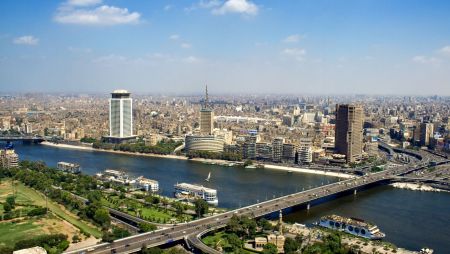
Cairo City – The Beating Heart of Egypt
Cairo City is Egypt’s capital and largest metropolis, located along the Nile River. Known for its ancient wonders like the Pyramids of Giza and the Egyptian Museum, Cairo blends Pharaonic, Islamic, and Coptic heritage with modern city life.

Khan al-Khalili : The Timeless Heartbeat of Egypt’s Bazaar Culture
This is where modern Cairo meets medieval charm, where every alley has a story, and every shopkeeper holds a piece of Egypt’s heritage. If you want to feel the rhythm of Cairo, Khan al-Khalili is where it beats loudest.
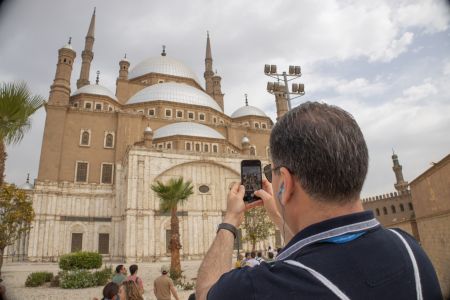
The Alabaster Mosque of Cairo: The Majestic Crown of the Citadel
In a city layered with millennia of history, the Alabaster Mosque remains one of the most powerful expressions of faith, pride, and vision — a must-visit for anyone exploring the rich soul of Egypt.

The Nile River: Lifeblood of Egypt and Africa's Eternal Pulse
The Nile River isn’t just a river—it’s a witness to history, a provider of life, and a force that continues to shape the destiny of Africa. From ancient wonders to modern cities
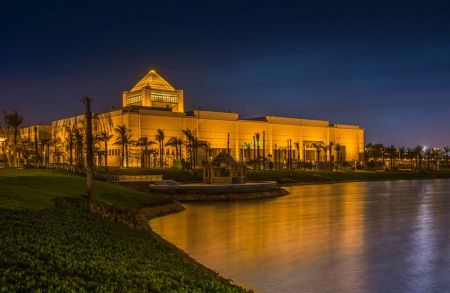
The National Museum of Egyptian Civilization: A Timeless Tribute to Egypt’s Heritage
The National Museum of Egyptian Civilization is not just a treasure trove of artifacts—it’s a bold reimagining of how history should be preserved, shared, and lived. By weaving together the diverse threads of Egypt’s cultural identity,
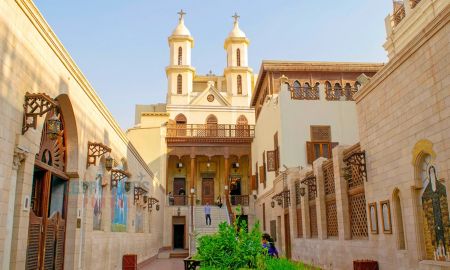
Coptic Cairo: Unveiling the Spiritual Heart of Old Cairo
Coptic Cairo is far more than a tourist attraction—it’s a profound journey into the roots of Egyptian Christianity and the rich layers of Cairo’s multi-faith heritage.
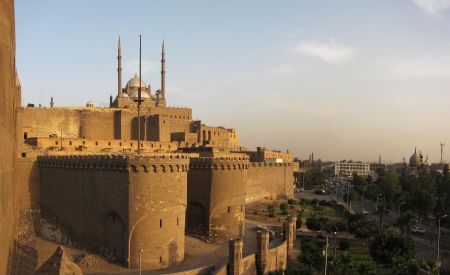
Salah El Din Citadel: Cairo’s Legendary Fortress of Power and Legacy
Salah El Din Citadel is more than stone walls and minarets—it’s a timeless fortress that has defined Egypt’s political and spiritual landscape for centuries.
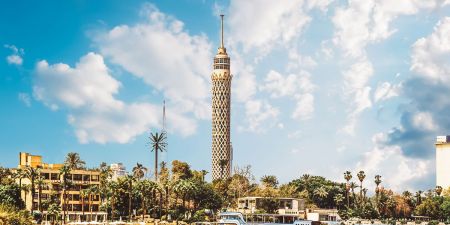
Cairo Tower: Egypt’s Iconic Skyscraper in the Heart of the Capital
The Cairo Tower is more than just a tall structure—it’s a national symbol, an architectural masterpiece, and a cultural experience rolled into one.
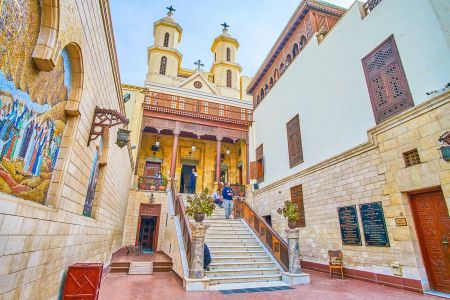
The Hanging Church : A Spiritual Marvel Suspended Over Old Cairo
The Hanging Church is more than just an ancient monument—it’s a living testament to Egypt’s Christian soul and the endurance of faith across centuries. Its elevated position above the Roman ruins reflects not only architectural brilliance but also spiritual triumph.
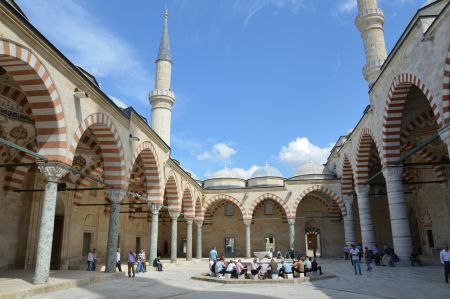
Al Azhar Mosque : Cairo’s Beacon of Islamic Scholarship and Architectural Majesty
Al Azhar Mosque is more than Cairo’s spiritual jewel—it’s the soul of Islamic learning and a timeless testament to faith’s enduring power. For over a thousand years, its walls have echoed the prayers of believers and the thoughts of scholars.
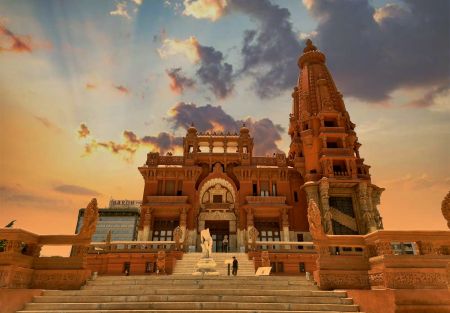
Baron Empain Palace: A Belgian Marvel in the Heart of Heliopolis, Cairo
With its intricately carved sandstone façade, spiral staircases, panoramic tower, and eerie atmosphere, the Baron Empain Palace is no ordinary residence. It’s a time capsule, a statement of cross-cultural elegance, and one of Cairo’s most photogenic and unusual sites.
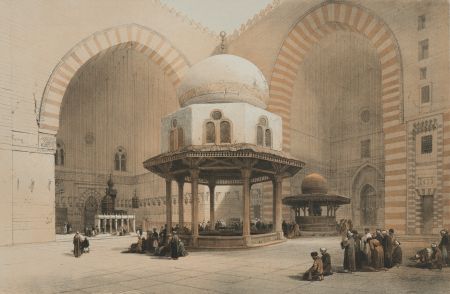
Sultan Hassan Mosque : Cairo’s Monument of Power, Faith, and Architectural Perfection
The Sultan Hassan Mosque is a grand 14th-century Mamluk landmark in Cairo, known for its massive size, stunning architecture, and role as both a mosque and Islamic school.
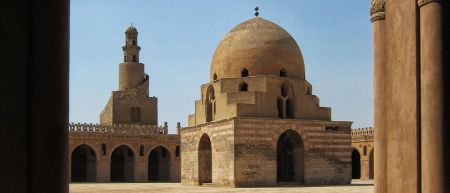
Mosque of Ibn Tulun : Cairo’s Timeless Abbasid Masterpiece
The Mosque of Ibn Tulun is Cairo’s oldest intact mosque, built in the 9th century by Ahmad Ibn Tulun. Known for its vast courtyard and unique spiral minaret, it showcases pure Abbasid architecture and remains a serene, historic gem in the heart of the city.

El Moez Street : Cairo’s Historic Heart of Islamic Heritage and Architectural Splendor
El Moez Street is a historic thoroughfare in Islamic Cairo, famed for its stunning collection of medieval mosques, madrasas, palaces, and markets. It offers a vivid glimpse into Cairo’s Islamic heritage and centuries-old urban life.
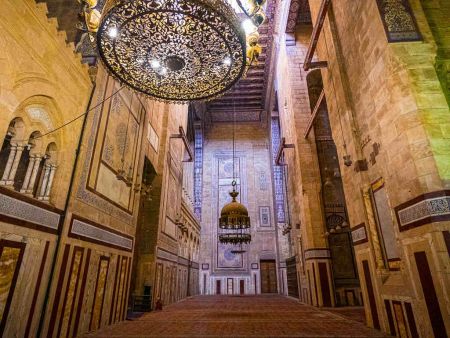
Al Rifai Mosque : A Royal Masterpiece in the Heart of Cairo
Al Rifai Mosque isn’t just another stop on Cairo’s historical trail—it’s a profound reflection of Egypt’s royal lineage, spiritual diversity, and architectural prowess.
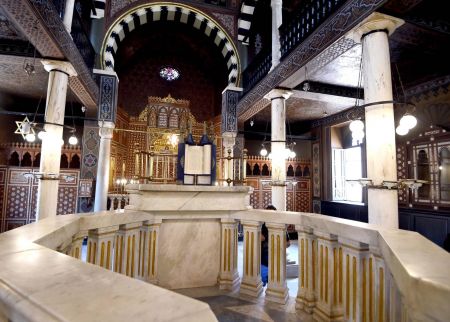
Ben Ezra Synagogue: A Historic Gem in the Heart of Old Cairo
Ben Ezra Synagogue tells a story that few buildings can—a story of migration, worship, community, and scholarly preservation. In a city dominated by mosques and churches, this quiet, beautifully preserved synagogue stands as a bridge across faiths, cultures, and centuries.
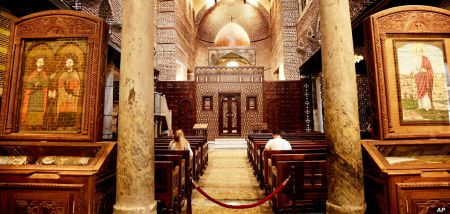
Abu Serga Church
Abu Serga Church is more than an architectural relic; it is a sacred refuge soaked in history, faith, and reverence. As one of the holiest Christian sites in Egypt, it continues to inspire pilgrims, historians, and travelers alike.
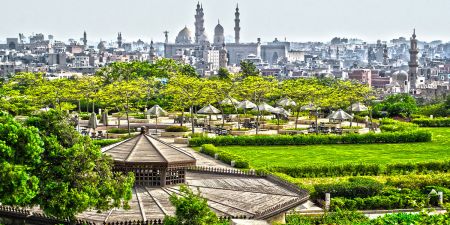
Al Azhar Park : Cairo’s Green Jewel of Culture and Serenity
Al Azhar Park Cairo is far more than a beautifully landscaped garden—it’s a dynamic symbol of cultural revival, urban sustainability, and community renewal.
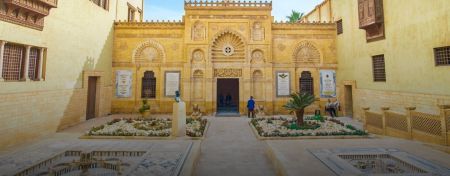
The Coptic Museum
The Coptic Museum is a must-visit for anyone interested in Christian Egyptian art, early Christian history, or the evolution of religious identity in Egypt.

Abdeen Palace : A Royal Legacy in the Heart of Cairo
Abdeen Palace Cairo stands as a living monument to Egypt’s royal past, reflecting the country’s rich political and artistic evolution. Its collection is unmatched, its architecture spellbinding, and its significance deeply rooted in national identity.
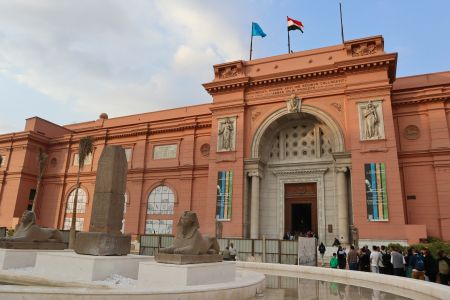
The Egyptian Museum of Cairo: Gateway to Ancient Egypt’s Treasures
A visit to the Egyptian Museum in Cairo is not just a tour through history — it's a spiritual, intellectual, and emotional journey. It brings to life stories carved in stone, written on papyrus, and buried under sand for thousands of years.
Our Partners
Our Awesome Partners