

Why Were the Pyramids Covered in Limestone? The Secrets Behind Egypt’s Dazzling Monuments
For thousands of years, the pyramids of Egypt have captivated travelers and historians alike. Their sheer size and geometric precision are awe-inspiring, but what truly set these ancient wonders apart was their dazzling outer layer. Originally, the pyramids were covered in fine white limestone, causing them to gleam brilliantly under the Egyptian sun. This luminous casing earned them the title of “the gleaming pyramids,” visible for miles across the desert. Yet, many visitors today are surprised to find the pyramids’ surfaces rough and weathered, with only hints of their former glory remaining. Understanding why the pyramids were covered in limestone unlocks a fascinating story of ancient ambition, spiritual symbolism, and engineering mastery—a tale that continues to draw travelers from every corner of the globe.
When you stand before the Great Pyramid of Giza, it’s easy to imagine its original splendor. Picture the ancient monument, every angle sheathed in polished white stone, reflecting sunlight so intensely it was said to be visible from the mountains of Israel. The purpose of this striking limestone casing went far beyond aesthetics. It represented a union of art, faith, and power—a symbol of the pharaoh’s divine connection and a testament to Egypt’s architectural prowess. Exploring the secrets of the pyramids’ limestone covering not only enhances your appreciation for these timeless structures but also deepens your connection to Egypt’s rich cultural tapestry. If you’re planning your own Egyptian adventure, consider immersing yourself in the country’s legendary past with curated journeys such as 08 Days Egypt Family Vacation Tour or discover the origins of these ancient stones in our insightful blog, Where Did the Pyramid Stones Come From?
The Origins of the Limestone Casing: Engineering Marvels of Ancient Egypt
The choice of limestone for the pyramids’ outer casing was no accident. Ancient Egyptian architects selected fine white Tura limestone, quarried from the east bank of the Nile, renowned for its purity and reflective qualities. Transporting these massive blocks required ingenious methods, including sledges, lubrication, and a well-coordinated workforce. The result was a smooth, gleaming façade that stood in stark contrast to the golden sands of Giza. This meticulous craftsmanship is a testament to the advanced engineering skills of the ancient Egyptians, rivaling even the most ambitious modern projects.
For travelers seeking to witness Egypt’s architectural wonders beyond the pyramids, the intricate beauty of Islamic monuments like the Sultan Hassan Mosque offers another layer of the country’s storied heritage. Exploring these sites reveals how Egypt’s artistic and engineering traditions evolved through the ages.
The Purpose Behind the Gleaming Facade: Spiritual and Symbolic Significance
Covering the pyramids in white limestone was not merely a display of wealth or technical skill—it carried profound spiritual meaning. The ancient Egyptians believed that the bright, reflective surfaces symbolized the sun’s rays and the concept of rebirth. The pharaoh, regarded as a living god, was thought to ascend to the heavens after death. The shining limestone casing helped guide the king’s soul toward the afterlife, ensuring his eternal journey among the stars.
To further appreciate the spiritual depth of ancient Egypt, visitors can explore the mythological tales that shaped these beliefs, such as The Legend of Osiris and Isis, which continues to inspire awe in those who delve into Egypt’s mythic past.
The Construction Process: From Quarry to Pyramid
Quarrying and transporting limestone for the pyramids was a colossal endeavor. Skilled laborers extracted blocks from Tura’s quarries and ferried them across the Nile using wooden boats. Once at Giza, artisans meticulously shaped and polished each stone to fit perfectly. The casing stones were laid with astonishing precision, creating seamless surfaces that caught and reflected the sun’s light. This process required not only physical strength but also sophisticated knowledge of geometry and logistics, setting the stage for Egypt’s enduring legacy of monumental architecture.
For a deeper dive into Egypt’s remarkable feats of construction, embark on a cruise along the Nile aboard the elegant Akhnaton Dahabiya, where you can witness ancient temples and quarries firsthand, tracing the journey of these legendary stones from source to site.
The Lasting Impact: What Happened to the Limestone Casing?
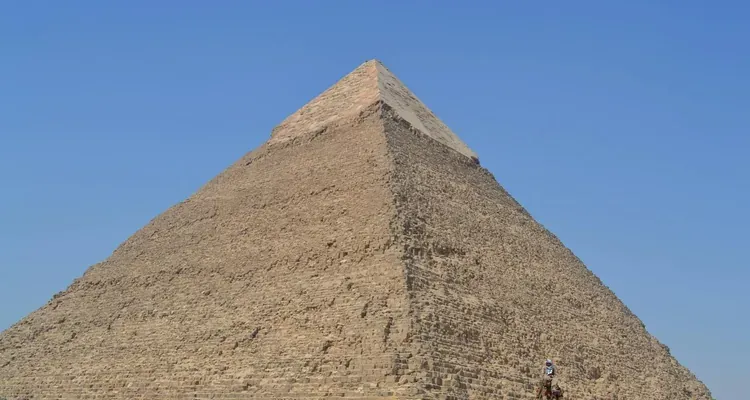
Over millennia, most of the pyramids’ limestone casing was stripped away, repurposed for new building projects or lost to natural disasters like earthquakes. Today, only a few casing stones remain at the base of the Great Pyramid, offering a tantalizing glimpse of their original brilliance. Despite this loss, the pyramids’ core structures have endured, continuing to inspire wonder and curiosity in every visitor. Discover more about Egypt’s evolving architectural landscape by visiting the eclectic Baron Empain Palace, a striking example of early 20th-century design influenced by Egypt’s ancient past.
Experiencing the Pyramids Today: A Journey Through Time
Standing before the pyramids in the golden light of dawn, you can almost feel the pulse of history beneath your feet. While the gleaming limestone casing is mostly gone, the pyramids’ majesty remains undiminished. Modern travelers can enrich their experience by exploring the broader context of Egypt’s ancient wonders, from the bustling heart of Islamic Cairo to the tranquil banks of the Nile.
For families and adventurers alike, curated itineraries such as the 08 Days Egypt Tour Package for Family or the exhilarating 07 Days Egypt Adventure Tour offer unforgettable opportunities to walk in the footsteps of pharaohs and unravel the mysteries of the pyramids firsthand.
Beyond Giza: Discovering Egypt’s Architectural Heritage
Egypt’s legacy of monumental architecture extends far beyond the pyramids. In Cairo, the graceful arches and soaring minarets of the Al Azhar Mosque and the historic Mosque of Ibn Tulun highlight the rich tapestry of religious and cultural influences that have shaped the city over centuries.
Those seeking to combine ancient wonders with modern luxury can explore our exclusive Egypt and Dubai Tours, blending the mystique of the pyramids with the futuristic skyline of Dubai for a truly unforgettable journey.
The Allure of Egypt’s Queens and Kings
The pyramids are just one chapter in Egypt’s royal saga. The stories of legendary rulers, from the enigmatic Tutankhamun to the powerful queens who shaped history, continue to fascinate travelers. Uncover the secrets behind the boy king’s golden burial mask in our feature, The King Tutankhamun’s Mask, or delve into the lives of Famous Egyptian Queens who left an indelible mark on the ancient world.
For a taste of Egypt’s royal heritage, set sail on the luxurious Nour El Nil cruise, where you can experience the timeless beauty of the Nile while visiting sites once reserved for pharaohs and their courts.
Preserving the Legacy: Modern Conservation and Heritage Tourism
Today, the preservation of Egypt’s ancient monuments is a global priority. Conservation efforts focus on protecting what remains of the pyramids’ original casing while ensuring that future generations can marvel at these wonders. Heritage tourism plays a vital role in this mission, supporting local communities and fostering a deeper appreciation for Egypt’s unparalleled cultural wealth.
As you plan your journey, consider exploring Egypt’s natural wonders as well. Discover why travelers are drawn to the country’s unique landscapes in our guide, Why Explore National Parks in Egypt?, and round out your adventure with a memorable evening on the Dinner Cruise Maxim for breathtaking views of Cairo by night.
Planning Your Own Egyptian Adventure
Egypt’s allure lies not only in its ancient monuments but also in the stories, traditions, and experiences that await every traveler. Whether you’re drawn by the pyramids’ mysteries, the vibrant streets of Cairo, or the serene beauty of the Nile, there’s a journey perfectly tailored for you. Our handpicked Egypt Travel Packages offer exclusive access to the country’s most iconic sights and hidden gems, ensuring a seamless and enriching experience from start to finish.
For those seeking inspiration, browse our collection of immersive blogs and travel guides, or embark on a once-in-a-lifetime adventure that combines history, luxury, and discovery.
Conclusion: The Enduring Mystery and Magic of the Limestone Pyramids
The story of the pyramids’ limestone casing is one of vision, devotion, and ingenuity. Though centuries have weathered their surfaces, the pyramids continue to shine in the imagination of every traveler who comes to Egypt. By understanding the reasons behind their gleaming facades, you unlock a deeper connection to the spirit of ancient Egypt—one defined by reverence for the divine, a passion for beauty, and an unyielding pursuit of greatness. Begin your own journey into history, and let the legacy of the limestone pyramids inspire your next adventure.
Related reading: What Tools Were Used to Build the Pyramids?.