

Where Did the Pyramid Stones Come From? Unveiling the Origins of Egypt’s Timeless Monuments
For centuries, the majestic pyramids of Egypt have captivated travelers, historians, and dreamers alike. The sheer scale and precision of these ancient wonders inspire awe, but one question continues to fascinate and intrigue: where did the pyramid stones come from? This mystery is not only a matter of geology and engineering but also a testament to the ingenuity and ambition of an ancient civilization. If you’ve ever gazed upon the Great Pyramid of Giza and wondered how such colossal stones were sourced, transported, and assembled with such precision, you’re not alone. The story of the pyramid stones is a journey through time, landscape, and human achievement—a journey that invites you to step beyond the surface and discover the secrets woven into every block. Whether you’re planning a luxury escape to Egypt or simply yearning to understand the marvels of the ancient world, uncovering the origins of the pyramid stones offers a deeper appreciation of Egypt’s enduring allure. As you explore this narrative, you’ll also find inspiration for your own adventure, from the bustling heart of Cairo to the tranquil banks of the Nile. Embark on this exploration and let the past guide your next extraordinary journey. For those eager to discover more about Egypt’s natural wonders, exploring national parks in Egypt offers a fresh perspective on the landscapes that shaped history.
The Geological Origins: Quarries of the Pharaohs
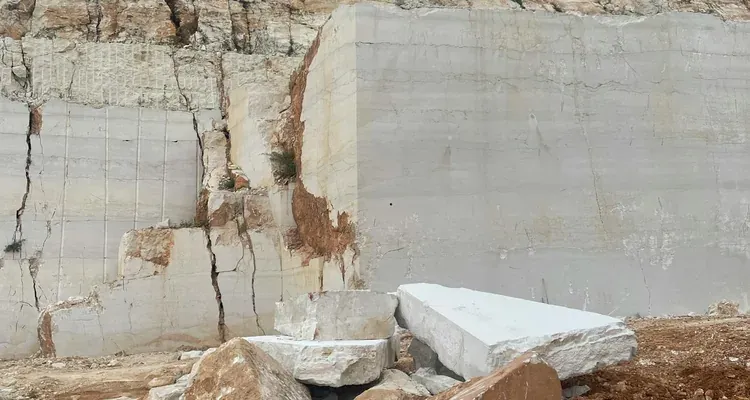
The stones that form Egypt’s pyramids are more than mere building materials—they are the very foundation of an ancient dream. Most of the core blocks used in the construction of the Giza pyramids were quarried locally from the plateau itself. These limestone blocks, some weighing several tons, were extracted with copper tools and remarkable skill. For the gleaming outer casing, ancient builders sought higher-quality Tura limestone from quarries across the Nile. This fine white stone, renowned for its smooth finish, was ferried by barge and carefully positioned to reflect the desert sun. Granite, used for the inner chambers and sarcophagi, came from the distant quarries of Aswan, nearly 900 kilometers to the south. Transporting these massive blocks required innovation and determination, weaving a story of logistics as impressive as the monuments themselves. To delve deeper into the techniques behind these feats, Egyptian pyramid construction techniques reveal the full extent of ancient ingenuity.
The Journey of the Stones: From Quarry to Monument
Picture the banks of the Nile alive with activity as workers, engineers, and craftsmen coordinated the movement of thousands of stones. The river was the lifeline of ancient Egypt, and its annual floodwaters provided a natural highway for transporting heavy materials. Stones from Tura and Aswan were loaded onto wooden barges and sailed northward, taking advantage of the current. Upon arrival, ingenious ramps, sledges, and manpower brought the blocks to their final destination. This monumental effort speaks not only to the technical skills of the Egyptians but also to their organizational genius. For a firsthand experience of Egypt’s waterways, a Lake Nasser cruise aboard the Steigenberger Omar El Khayam offers a modern journey along the same river that once bore the stones of the pyramids.
Local Resources and Sustainable Practices in Ancient Egypt
Ancient Egyptians were masters of resource management, carefully selecting their materials for both quality and proximity. The limestone of the Giza plateau provided a readily available and durable core, while the more distant Tura limestone and Aswan granite were reserved for special features. This strategic use of local and imported stone not only optimized construction but also reflected an early understanding of sustainability. The efficient use of resources ensured that the monumental projects could be completed without exhausting the land. Today, visitors can witness the legacy of these practices at sites like Coptic Cairo, where centuries of history are etched into the very stones of the city.
Engineering Marvels: How the Stones Were Moved and Set
The logistics of moving and assembling the pyramid stones remain one of history’s greatest feats. Recent discoveries suggest that a sophisticated network of causeways, ramps, and water channels facilitated the transportation of massive blocks. Teams of workers, organized into skilled crews, used sledges lubricated with water to reduce friction and ease the journey across the desert sands. Leveraging and precise alignment ensured that each stone fit perfectly into place, creating a structure that would endure for millennia. For a closer look at the remarkable coordination behind these projects, the Salah El Din Citadel in Cairo offers insights into Egypt’s military and architectural prowess across the ages.
Symbolism and Spiritual Significance of the Stones
The selection and placement of pyramid stones were deeply symbolic, reflecting the Egyptians’ spiritual beliefs and cosmological understanding. The gleaming white casing stones, for example, were intended to represent the rays of the sun, connecting the pharaoh with the divine. The enduring strength of granite was reserved for sacred spaces, ensuring the eternal protection of the king’s soul. Every block was more than a building material—it was a vessel for the hopes, dreams, and faith of a civilization. To immerse yourself in the spiritual tapestry of Egypt, a visit to The Hanging Church reveals the continuity of sacred architecture from ancient to modern times.
The Role of the Nile: Egypt’s Eternal Highway
The Nile River was not just a source of life but the backbone of pyramid construction. Its predictable floods enabled the transport of heavy stone blocks, while its fertile banks supported the workforce with food and resources. The river was a unifying force, connecting distant quarries with the heart of Egypt’s monumental projects. Modern travelers can experience the magic of the Nile firsthand on a luxury cruise aboard the Movenpick Prince Abbas, tracing the same waters that once carried the stones of the pharaohs.
Modern Insights: Archaeological Discoveries and Scientific Analysis
Advancements in archaeology and science have shed new light on the origins of the pyramid stones. Recent excavations have uncovered ancient harbor facilities, worker settlements, and administrative records that document the sourcing and movement of materials. Scientific analysis of stone samples confirms the distinct origins of the limestone and granite, while experimental archaeology has reconstructed ancient transport methods. These discoveries not only solve age-old mysteries but also celebrate the ingenuity of Egypt’s builders. For families eager to combine adventure with education, the best Egypt tour for families offers immersive experiences that bring history to life for all ages.
Beyond the Pyramids: Exploring Egypt’s Rich Heritage
The story of the pyramid stones is just one chapter in Egypt’s vast and vibrant heritage. From the bustling streets of Cairo to the tranquil temples of Upper Egypt, every stone tells a story. The Cairo Tower offers panoramic views of a city where ancient and modern coexist, while a private felucca ride on the Nile provides a serene escape into Egypt’s timeless landscapes. Each experience deepens your connection to a land where history is always within reach.
The Global Appeal of Egypt’s Monuments
Egypt’s pyramids are more than architectural marvels—they are symbols of human ambition and creativity that inspire travelers from around the world. The allure of these ancient wonders draws visitors seeking luxury, adventure, and enlightenment. For those planning an unforgettable journey, private guided tours of Egypt provide exclusive access to the country’s most iconic sites, ensuring a personalized and enriching experience.
Planning Your Luxury Adventure: Where History Meets Hospitality
Modern Egypt seamlessly blends ancient grandeur with contemporary luxury. Whether you’re exploring the pyramids, savoring local delicacies, or enjoying world-class hospitality, every moment is crafted to delight and inspire. For families, the 10-day Egypt family tour holidays offer curated itineraries that cater to all ages, combining discovery with comfort and ease. To explore Egypt’s treasures beyond the pyramids, the Egypt and Morocco tours category invites you to embark on a grand adventure across continents.
The Enduring Legacy of the Pyramid Stones
The saga of the pyramid stones is more than a tale of geology and construction—it is a testament to the vision, determination, and artistry of ancient Egypt. Each block, painstakingly quarried, transported, and set in place, represents a legacy that endures across millennia. As you contemplate the origins of these timeless monuments, you join a tradition of wonder and discovery that continues to inspire. Whether you’re tracing the footsteps of the pharaohs or crafting your own story in the Land of the Nile, Egypt promises an experience that transcends the ordinary. For those seeking effortless luxury, the all-inclusive Egypt vacation category ensures every detail is perfected. And if the flavors of Egypt intrigue you, uncover the history of Om Ali, a dessert as rich as the country’s heritage. Your journey through Egypt’s past is just the beginning—let the story of the pyramid stones inspire your next unforgettable adventure.
Unlocking More Secrets: Dive Deeper into Egypt’s Wonders
If the origins of the pyramid stones have sparked your curiosity, there’s a world of discovery awaiting you. From the mysteries of ancient mythology, such as the legend of Osiris and Isis, to practical travel insights like understanding Egypt’s currency, every aspect of this enchanting land invites exploration. For those drawn to Egypt’s coastal beauty, your guide to the Egyptian Red Sea reveals pristine waters and vibrant marine life. No matter where your interests lie, Egypt’s timeless stones and living culture promise a journey as unique as you are.