

What Tools Were Used to Build the Pyramids? Unveiling the Secrets of Ancient Egyptian Engineering
The majestic pyramids of Egypt have fascinated travelers, scholars, and dreamers for centuries. Rising from the golden sands, these monumental structures are not only a testament to ancient Egyptian civilization but also a challenge to our modern understanding of engineering and ingenuity. The question, "What tools were used to build the pyramids?" has inspired countless theories and expeditions. Today, as you stand in awe before the Great Pyramids of Giza, you are gazing at the result of remarkable innovation, organization, and craftsmanship that unfolded over 4,500 years ago.
While some myths suggest extraterrestrial intervention or lost technologies, the real story is even more compelling. The ancient Egyptians relied on a sophisticated array of simple yet effective tools, clever techniques, and a deep understanding of their materials. Copper chisels, dolerite pounders, wooden sledges, ramps, and ropes—these humble instruments, wielded by skilled hands, shaped the limestone and granite blocks that form the pyramids. Recent archaeological discoveries and experimental archaeology have further illuminated how these tools were used, revealing a culture driven by vision, unity, and innovation.
Modern travelers are drawn not only by the allure of the pyramids themselves but also by the enduring mystery of their construction. If you are planning a journey to Egypt, understanding the tools and methods behind these ancient wonders adds a new dimension to your adventure. For more inspiration, discover what tourists experience when visiting Egypt today and immerse yourself in a land where history comes alive beneath your feet.
Ancient Egyptian Building Tools: From Copper Chisels to Stone Pounders
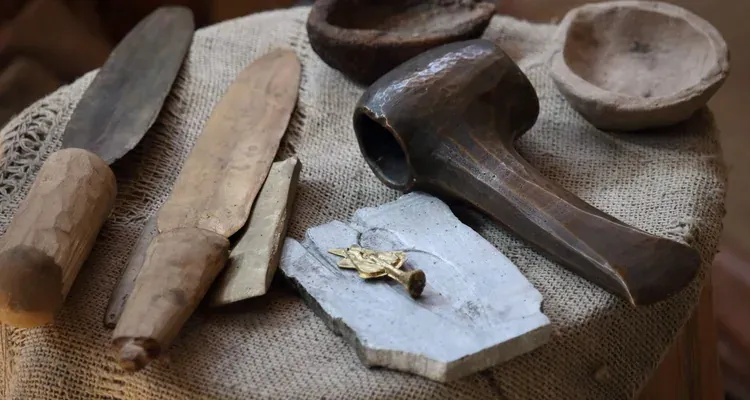
At the heart of pyramid construction lay a toolkit that, while primitive by modern standards, was ingeniously adapted to the challenges of the era. The primary cutting tools included copper chisels and saws, which were essential for shaping the soft limestone blocks used in the pyramid cores. For harder stones like granite, which formed the internal chambers and outer casing, workers employed dolerite pounders—dense, rounded stones used to chip away at the rock surface with relentless precision.
These tools were not used in isolation. The Egyptians developed specialized techniques to maximize their effectiveness. Copper tools, for example, required frequent sharpening and were often used in tandem with sand as an abrasive. The combination of manual labor, teamwork, and methodical processes allowed for remarkable accuracy and uniformity in the blocks. For those inspired by ancient craftsmanship, the Cairo Day Tours offer firsthand encounters with the sites where these tools once rang out across the desert.
Ropes, Rollers, and Wooden Sledges: Moving Massive Stones
Once quarried and shaped, the massive stones needed to be transported from the quarry to the construction site. The Egyptians ingeniously employed wooden sledges, ropes, and cylindrical rollers to move these colossal blocks. Teams of workers would drag the sledges over sand, often lubricating the path with water to reduce friction—a technique confirmed by wall paintings and recent experiments.
These methods were not limited to the Giza plateau. In regions like Fayoum City, archaeological finds have revealed similar transport techniques used for temples and tombs. The coordination required for these operations speaks to the organizational prowess of ancient Egyptian society, where every role—from rope maker to sledge driver—was essential to the grand vision.
Building Ramps: The Key to Elevating Pyramid Stones
One of the most enduring mysteries surrounding the pyramids is how the ancient builders managed to lift the massive stones to such dizzying heights. The answer lies in the construction of ramps—earthen, brick, or stone structures that provided a gradual incline for hauling blocks upward. Archaeologists have uncovered traces of straight, zigzagging, and spiral ramps at various pyramid sites, each tailored to the specific requirements of the project.
These ramps required constant maintenance and precise engineering, as the angle and surface had to support the weight and movement of the stones. The use of ramps was not unique to Giza; evidence from sites like Hurghada City and other ancient settlements reveals a widespread mastery of this technique, which became a hallmark of Egyptian monumental architecture.
Surveying and Measuring: Ensuring Precision in Pyramid Construction
Beyond brute strength and basic tools, the Egyptians demonstrated remarkable skill in surveying and measurement. Using plumb bobs, leveling instruments, and sighting rods, ancient architects achieved astonishing alignment and accuracy. The sides of the Great Pyramid, for instance, are aligned almost perfectly with the cardinal points, a feat that continues to astound modern engineers.
These achievements were made possible by a combination of practical tools and a deep understanding of geometry and astronomy. The legacy of this precision can be explored further on Luxor Tours, where temple alignments and sacred geometry reveal the Egyptians’ enduring quest for harmony and order.
Material Mastery: Working with Limestone, Granite, and Alabaster
The choice and handling of building materials were as important as the tools themselves. The vast majority of pyramid blocks were quarried from local limestone, which was relatively easy to cut and transport. For the most sacred or visible parts of the pyramids—such as the burial chambers and outer casing—builders turned to harder stones like granite and alabaster, sourced from distant quarries in Aswan and beyond.
Transporting these heavy stones required not only ingenuity but also the coordinated use of boats along the Nile. The river served as the lifeblood of construction, enabling the movement of materials and people across great distances. Modern travelers can relive this journey on a Steigenberger Legacy Nile Cruise, tracing the same waters that once carried the raw materials of the ancient world’s greatest wonders.
Teamwork and Organization: The Human Element Behind the Tools
While the tools and techniques are impressive, the true secret to pyramid construction lies in the human element. Tens of thousands of skilled laborers, artisans, and overseers worked together in an extraordinary display of teamwork. Recent discoveries have dispelled the myth of slave labor, revealing instead a society that valued its workers, providing them with food, housing, and medical care.
This sense of community and purpose is still evident in Egypt today, where hospitality and pride in heritage are woven into daily life. For families seeking to connect with this legacy, the 10 Days Egypt Family Tour Holidays offers a journey through the sites and stories that shaped a civilization.
Symbolism and Spirituality: Tools as Sacred Instruments
The tools used in pyramid construction were not merely functional—they were imbued with symbolic meaning. Many implements were associated with deities and rituals, reflecting the Egyptians’ belief in the spiritual significance of their work. The act of building a pyramid was seen as a sacred duty, connecting the pharaoh with the gods and ensuring the prosperity of the nation.
To experience the spiritual resonance of ancient Egypt, a visit to the mystical Siwa Oasis offers a glimpse into the traditions and beliefs that continue to inspire travelers and seekers from around the world.
Modern Insights: Experimental Archaeology and New Discoveries
In recent decades, archaeologists and engineers have recreated ancient tools and techniques to better understand how the pyramids were built. These experiments have confirmed that the Egyptians’ methods were both practical and effective, capable of achieving the monumental scale and precision seen at Giza and beyond.
For those eager to witness these discoveries firsthand, the Mayfair Nile Cruise offers an immersive journey through the heart of Egypt’s archaeological wonders, blending luxury with exploration.
Planning Your Own Egyptian Adventure: Walking in the Footsteps of the Builders
Understanding the tools and techniques behind the pyramids adds a profound layer of appreciation to any visit. Whether you are exploring the Giza plateau, marveling at the temples of Luxor, or sailing the Nile, each experience is enriched by the knowledge of the ingenuity and dedication that shaped these timeless monuments.
For those seeking a curated journey, the 11 Days Private Guided Tour of Egypt with Dahabiya offers exclusive access to the treasures and stories of ancient Egypt. Alternatively, enjoy a hands-on adventure with a Private Felucca Ride on the Nile, echoing the journeys of the pyramid builders themselves.
Why Egypt Remains a Top Destination for History Lovers
The enduring allure of Egypt lies not only in its monuments but in the living story of its people and their achievements. Today, travelers are rediscovering the magic of this land, drawn by its rich heritage, vibrant culture, and warm hospitality. Learn more about why travelers are choosing Egypt in 2026 and find inspiration for your own adventure.
With easy access, modern amenities, and a wealth of experiences, there has never been a better time to explore Egypt. Discover why now is a great time to visit Egypt and start planning the journey of a lifetime.
Tips for a Seamless and Enriching Journey
Traveling to Egypt is an unforgettable experience, but preparation is key. Stay updated on the latest airports, flights, and travel updates for Egypt visitors to ensure a smooth arrival. Choose reputable guides and operators who can bring the ancient world to life—discover how to choose a reliable tour operator in Egypt for a truly premium experience.
For families, the Best 11 Days Egypt Tour for Families blends adventure, education, and relaxation, allowing you to create lasting memories while exploring the wonders of the ancient world.
Egypt’s Pyramids: A Living Legacy
The story of the pyramids is far from over. Each year, new discoveries and insights deepen our understanding of the tools, people, and vision behind these monumental achievements. As you walk among the stones, you become part of a living legacy—one that continues to inspire wonder, curiosity, and connection across generations.
For those seeking sun and serenity, Egypt is also one of the best safe winter sun destinations near Europe, offering a perfect blend of history, culture, and relaxation.
Conclusion: The Timeless Appeal of Egypt’s Ancient Engineering
The tools used to build the pyramids—simple yet brilliantly effective—are a testament to human creativity and determination. From copper chisels to wooden sledges, from ramps to ropes, each innovation played a vital role in realizing the grand vision of the pharaohs. Today, as you explore Egypt’s treasures, you are invited to look beyond the stones and see the ingenuity, spirit, and unity that made the impossible possible.
Whether you seek adventure, enlightenment, or inspiration, Egypt welcomes you with open arms. Embark on your own journey of discovery, and let the secrets of the pyramids ignite your imagination. For more curated experiences and expert guidance, explore our collection of Cairo Day Tours and Luxor Tours, and start your adventure into the heart of ancient Egypt.
Related reading: Why Were the Pyramids Covered in Limestone? · Why Did the Egyptians Build Pyramids? The Quest for.