

Why Explore National Parks in Egypt? Discover Nature’s Untamed Beauty Beyond the Pyramids
When most travelers picture Egypt, their minds instantly conjure the mighty Pyramids of Giza, the enchanting Abu Simbel Temples, and the golden treasures of ancient pharaohs. Yet, Egypt’s extraordinary natural landscapes remain one of its most undervalued treasures. Beyond its timeless monuments, Egypt boasts a network of breathtaking national parks that reveal the country’s wild heart — from desert plateaus and marine sanctuaries to fertile oases and prehistoric fossil beds. Exploring national parks in Egypt isn’t just about escaping the crowds; it’s about reconnecting with nature in a land where history and geology merge in awe-inspiring harmony.
The allure of Egypt’s national parks lies in their diversity. Each park unveils a new dimension of the country — a living museum of geology, biodiversity, and cultural heritage. Whether you’re diving among coral reefs in Ras Mohammed National Park, hiking across surreal chalk formations in The White Desert of Egypt, or discovering ancient fossils in Wadi Al-Hitan, you’ll find yourself immersed in an ecological tapestry that tells Earth’s story through sand, stone, and sea.
In recent years, eco-tourism in Egypt has gained impressive momentum, blending adventure with sustainability. Environmental preservation and tourism coexist here, inviting responsible travelers to experience Egypt beyond the typical bucket-list landmarks. Each visit to these protected sanctuaries contributes to conservation efforts that safeguard rare flora, fauna, and the fragile ecosystems that thrive in this mystical land.
So, why explore national parks in Egypt? Because these natural wonders add depth to any Egyptian adventure. They appeal to nature lovers, history buffs, adventurers, photographers, and soul-searchers alike. They invite you to slow down, breathe in desert winds scented with sand and salt, and rediscover the timeless beauty that has inspired travelers for millennia. Let’s dive deeper into Egypt’s wild side — where every horizon tells a story.
Discover the Geological Wonders of Egypt’s National Parks
Egypt’s national parks are geological masterpieces that span millions of years of Earth’s evolution. Nowhere else on the continent can you witness such dramatic contrasts, where golden dunes meet cobalt seas, and fossilized whales rest beneath ancient limestone cliffs. Parks like Wadi Al-Hitan (Valley of the Whales) in Fayoum showcase one of the most remarkable paleontological sites in the world. This UNESCO World Heritage Site offers an extraordinary look into life when Egypt’s desert was submerged under the Tethys Sea, preserving fossils that help scientists piece together the evolution of whales from land mammals to marine creatures.
For travelers fascinated by geology, Siwa Oasis and the surrounding desert formations are a must-see. Here, salt lakes shimmer beside palm groves and ancient ruins, while surrounding rock formations reveal layers of Egypt’s deep natural history. The White Desert, with its iconic chalk formations sculpted by centuries of wind erosion, feels like stepping onto another planet — a natural art gallery where nature’s hand has shaped otherworldly sculptures from pure limestone.
The Call of the Red Sea: Marine National Parks and Coral Kingdoms
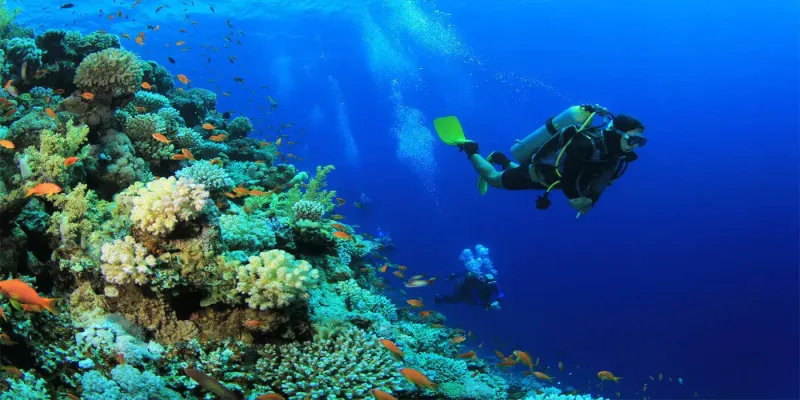
Egypt’s Red Sea coastline is home to some of the most diverse marine ecosystems on Earth, and its national parks are vital sanctuaries for these underwater worlds. The Ras Mohammed National Park near Sharm El-Sheikh is a diver’s paradise, featuring vibrant coral reefs, crystalline waters, and an array of marine life ranging from dolphins and sea turtles to exotic fish that shimmer like living jewels. This marine reserve is not only breathtakingly beautiful but also critical for global conservation, serving as a safe haven for endangered species and a hotspot for marine research.
Farther south, the Nabq Protected Area and Wadi El Gemal National Park extend Egypt’s marine heritage, combining coastal mangroves, coral reefs, and desert mountain ranges. Visitors can snorkel, kayak, or hike through pristine landscapes that remain untouched by mass tourism. These parks illustrate Egypt’s commitment to preserving both land and sea — a balance that ensures future generations can continue to enjoy its natural treasures.
Desert Sanctuaries: The Magic of Egypt’s Arid Ecosystems
Despite its dry climate, Egypt’s deserts are teeming with life and mystery. The Western Desert’s protected zones, such as the White Desert and the Black Desert, display nature’s artistry through contrasting landscapes of chalk-white and volcanic-black formations. These regions are ideal for adventurous travelers who crave isolation and wonder, offering a chance to camp beneath starlit skies that seem to stretch into infinity.
In Fayoum, Wadi El Rayan National Park presents a different kind of desert magic. Known for its twin waterfalls — the only ones in Egypt — and its serene lakes surrounded by golden dunes, Wadi El Rayan is a haven for birdwatchers and nature photographers. Migratory birds flock here every year, turning the park into a living canvas of motion and color.
Cultural and Ecological Richness in Fayoum and Sinai
Fayoum, one of Egypt’s most ancient regions, beautifully blends human history with natural splendor. Besides its natural parks, it’s home to the prehistoric fossils of Wadi Al-Hitan and the tranquil waters of Qarun Lake. The area provides a fascinating glimpse into Egypt’s ecological transformation through the ages. Exploring Fayoum allows travelers to witness how ancient civilizations adapted to these environments while maintaining harmony with nature.
In the Sinai Peninsula, the Saint Katherine Protectorate surrounds Mount Sinai, one of the most sacred peaks in the world. This park is not just spiritually significant but also ecologically vital, sheltering rare plants and wildlife unique to the region. Trekking the mountain at sunrise rewards visitors with panoramic views that are both humbling and transcendental — a moment that fuses faith, nature, and history.
Adventure and Eco-Tourism: Egypt’s Sustainable Travel Revolution
Egypt’s national parks are at the heart of the country’s growing eco-tourism movement. Tour operators now offer sustainable travel options that emphasize environmental protection and cultural respect. From guided desert safaris and nature photography tours to eco-lodges built with local materials, visitors can experience Egypt responsibly while supporting conservation efforts. For families seeking educational adventures, these parks are ideal destinations within curated Egypt Family Tours that inspire children to appreciate nature while learning its scientific and cultural significance.
Eco-conscious explorers can also combine their park visits with a scenic cruise on the Nile River or a relaxing stay in eco-resorts along the Red Sea. Choosing sustainable excursions ensures that visitors leave a positive footprint and contribute to local economies that depend on environmental preservation.
Wildlife Encounters: Egypt’s Hidden Biodiversity
Egypt’s national parks protect an astonishing variety of wildlife. In Wadi El Gemal, gazelles, Nubian ibex, and wild donkeys roam freely, while the coastal mangroves shelter migratory birds and marine creatures. The deserts host resilient species such as the fennec fox and the sand cat, both masters of survival in extreme conditions. Bird enthusiasts can spot flamingos, herons, and ospreys across wetlands like Qarun Lake and Wadi El Rayan, where the interplay of water and sand creates thriving habitats. This unique biodiversity reinforces why exploring national parks in Egypt is essential for understanding its natural legacy.
Spiritual and Emotional Connection: Egypt’s Soulful Wilderness
Beyond their ecological importance, Egypt’s national parks offer travelers something intangible — a sense of peace and spiritual connection. The silence of the desert, the rhythm of rolling dunes, and the whisper of sea breezes across coral reefs evoke a deep appreciation for the planet’s timeless beauty. These landscapes encourage introspection and mindfulness, making them perfect retreats for those seeking balance and renewal. Whether meditating at sunrise in Sinai or walking through the fossilized remains of ancient creatures in Fayoum, travelers find moments that stay etched in memory forever.
Frequently Asked Questions About Exploring National Parks in Egypt
1. What are the most famous national parks in Egypt?
Egypt’s most renowned national parks include Ras Mohammed National Park, Wadi Al-Hitan (Valley of the Whales), Wadi El Rayan, The White Desert, and Saint Katherine Protectorate. Each park offers a distinct blend of ecological, geological, and cultural experiences.
2. When is the best time to visit national parks in Egypt?
The ideal time to explore Egypt’s national parks is between October and April, when temperatures are milder and outdoor activities are more comfortable. This period also coincides with peak migratory bird seasons in Fayoum and Red Sea regions.
3. Are Egypt’s national parks suitable for families?
Absolutely. Many parks feature family-friendly trails, picnic areas, and guided tours designed for all ages. Combining a park visit with guided Egypt Vacation Packages offers educational and adventure-filled experiences for children and adults alike.
4. Do visitors need special permits to visit these parks?
Most national parks require a small entrance fee, and certain protected zones may need special permits for photography, camping, or diving. It’s best to check with local authorities or your Egypt Private Tours provider for up-to-date regulations.
5. How can travelers combine national park visits with cultural attractions?
National parks are often located near major historical sites, allowing travelers to craft immersive itineraries. For instance, you can explore the White Desert and then visit The Valley of the Kings or pair a Red Sea diving trip with an excursion to ancient temples in Luxor or Aswan. Many Luxury Egypt Tours seamlessly integrate both natural and cultural wonders.
Egypt’s national parks reveal a side of the country that few travelers ever see — a world where deserts breathe, whales sleep in stone, and coral gardens bloom beneath turquoise waves. To explore them is to witness Egypt in its purest form — wild, ancient, and alive. So, lace up your boots, pack your curiosity, and embark on an adventure that unveils Egypt’s most authentic and untamed beauty.
Explore more: Egypt Adventure & Diving Tours


