

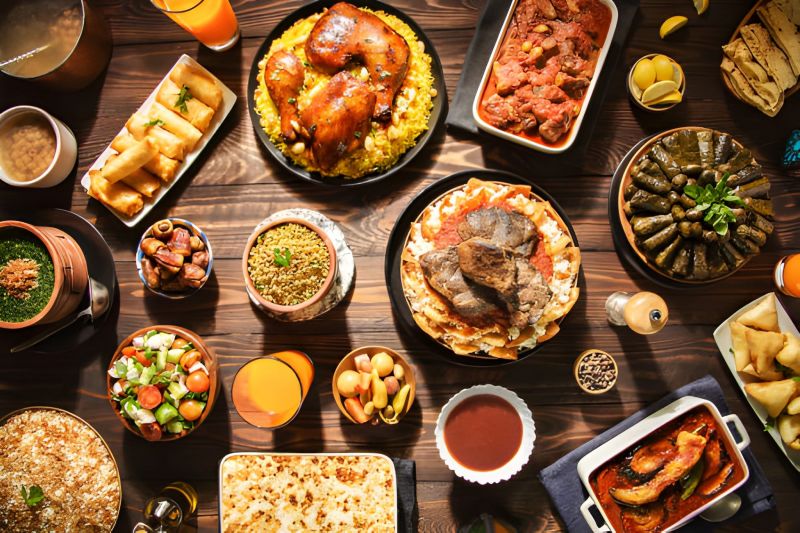
Royal Egyptian cuisine, shaped over millennia, features luxurious dishes once served in the courts of pharaohs and sultans. These regal recipes, blending ancient grains, honey, rare spices, and prized meats, offer a unique window into Egypt’s storied past. Today, travelers can savor these flavors in select restaurants, luxury hotels, and curated culinary tours across Egypt.
Key Takeaways
- Ancient Egyptian royalty enjoyed dishes featuring duck, pigeon, honey, and figs, many of which are still prepared today.
- Mulukhiyah, a green soup, and Feseekh, a fermented fish, were delicacies reserved for special occasions in royal households.
- Modern luxury tours in Egypt often include exclusive dining experiences inspired by pharaonic and Ottoman-era cuisine.
- Many royal recipes are preserved and showcased in museums such as the Luxor Museum.
- Signature royal banquets can be experienced on luxury Nile cruises, blending history, culture, and fine dining.
The Origins of Royal Egyptian Cuisine
Royal Egyptian cuisine traces its roots to the Old Kingdom, when the Nile’s bounty enabled pharaohs to indulge in elaborate feasts. Archaeological evidence, including murals and tomb offerings, reveals that ancient banquets included roast goose, fresh fish, lentils, and sweet pastries flavored with dates and honey. The influence of successive dynasties, from the Ptolemies to the Ottomans, brought new ingredients and culinary techniques, enriching the royal table. Today, many of these traditions are revived in modern Egypt, offering travelers a taste of history on their plates.
For a deeper dive into the evolution of food in Egypt, explore the comprehensive guide Egyptian Food: The Ultimate Guide to Egyptian Cuisine.
Signature Dishes of Egyptian Royalty
Fatta: The Festive Banquet Centerpiece
Fatta, a layered dish of rice, crispy bread, and slow-cooked lamb or beef, was a staple at royal celebrations and religious festivals. It is often topped with a garlic-vinegar sauce and served during major feasts. Modern interpretations of Fatta can be found in luxury hotels and during curated Egypt Vacation Packages that focus on authentic culinary experiences.
Mulukhiyah: The Green Gold of the Pharaohs
Mulukhiyah, a soup made from the leaves of the jute plant, was considered a delicacy by both ancient and medieval Egyptian royalty. Its unique, slightly viscous texture and rich flavor made it a favorite at court. The dish is typically served with rabbit or chicken and accompanied by rice or bread.
Hamam Mahshi: Stuffed Pigeon
Stuffed pigeon, or Hamam Mahshi, has been a symbol of luxury since the days of the pharaohs. The birds are filled with seasoned rice or cracked wheat, nuts, and spices, then roasted to perfection. This dish remains a highlight of royal-inspired menus in Egypt’s finest restaurants and is often included in Luxury Egypt Tours.
Feseekh: The Ancient Fermented Fish
Feseekh, a salted and fermented mullet, was once reserved for special occasions and royal banquets. Its pungent aroma and bold taste are acquired, but this dish is a testament to the preservation techniques developed along the Nile. Feseekh is still enjoyed during the spring festival of Sham El-Nessim, echoing ancient traditions.
Desserts of the Divine: Honey, Dates, and Figs
Pharaonic desserts showcased the abundance of Egypt’s orchards and apiaries. Honey-drenched cakes, date-filled pastries, and fig-based sweets were prized by the elite. These flavors are still celebrated in Egypt’s patisseries and luxury hotels, where chefs reimagine ancient recipes for modern palates.
Royal Dining Experiences on the Nile
One of the most immersive ways to enjoy royal Egyptian cuisine is aboard a luxury Nile cruise. Vessels such as the Sonesta St. George Nile Cruise and Acamar Nile Cruise offer curated menus featuring dishes inspired by ancient banquets. Guests can enjoy panoramic river views while sampling specialties like grilled quail, sesame bread, and honey-dipped desserts. These cruises often include themed nights and live entertainment, such as traditional Belly Dance performances, evoking the grandeur of royal celebrations.
Where to Experience Royal Egyptian Cuisine Today
Travelers eager to taste the flavors of the pharaohs can find royal dishes at select restaurants in Cairo, Luxor, and Aswan. Many luxury hotels collaborate with expert chefs to recreate ancient recipes using locally sourced ingredients.
Guided day tours, such as the High Dam and Philae Temple Tour, often include meals at renowned local restaurants where guests can sample royal specialties alongside modern Egyptian fare.
Royal Banquets and Ancient Table Etiquette
Banquets in the courts of the pharaohs and sultans were elaborate affairs, governed by strict etiquette and ritual. Guests were seated according to rank, and meals were served in multiple courses, often accompanied by music and dance. Vessels for food and drink were crafted from precious metals and adorned with intricate designs. Today, echoes of this grandeur remain in the formal service and presentation found in Egypt’s luxury dining establishments.
To see artifacts from ancient banquets, visit the Kom Ombo Temple or the Colossi of Memnon, where carvings depict feasting scenes from Egypt’s golden age.
Influence of Religion and Ritual on Royal Cuisine
Food in ancient Egypt was deeply intertwined with religion and ritual. Offerings of bread, beer, and roasted meats were made to the gods, and many royal dishes were first created as temple offerings before becoming staples of the court. The legend of Osiris, the god of agriculture, is central to Egypt’s culinary heritage. Learn more about this myth at The Legend of Osiris and Isis.
Some royal recipes were believed to have magical properties, conferring health, fertility, or protection. This spiritual connection to food remains a hallmark of Egyptian celebrations today.
Preserving Royal Recipes: Museums and Modern Revival
Egypt’s museums play a vital role in preserving the country’s culinary history. The Catacombs of Kom El Shoqafa in Alexandria display artifacts related to ancient feasting, while the Luxor Museum showcases utensils and pottery from royal kitchens. Contemporary Egyptian chefs are reviving these traditions, adapting ancient recipes for modern tastes and dietary preferences.
Planning Your Culinary Journey in Egypt
These tours combine sightseeing with curated dining, often in venues that evoke the opulence of the ancient courts. For travelers seeking a blend of adventure and comfort, the 08 Days Private Egypt Trip offers personalized itineraries that include both cultural and culinary highlights.
Before booking, it’s wise to review practical travel tips. For Americans, the article Can Americans Travel to Egypt Right Now? provides current entry requirements, while all travelers should consult Do I Need Travel Insurance for Egypt? for essential safety information.
FAQ: Royal Egyptian Cuisine
What are the most famous royal Egyptian dishes?
The most famous royal Egyptian dishes include Fatta (lamb or beef with rice and bread), Mulukhiyah (jute leaf soup), Hamam Mahshi (stuffed pigeon), and desserts made from honey, dates, and figs, all of which were enjoyed by kings and pharaohs.
Can travelers experience royal cuisine on a Nile cruise?
Travelers can experience royal Egyptian cuisine on luxury Nile cruises such as the Sonesta St. George Nile Cruise and Acamar Nile Cruise, where menus are inspired by ancient banquets and royal feasts.
Which museums showcase artifacts related to royal dining?
Museums such as the Luxor Museum and the Catacombs of Kom El Shoqafa showcase utensils, pottery, and carvings depicting royal feasts and banquets.
Are royal dishes available in modern Egyptian restaurants?
Many modern Egyptian restaurants, particularly in luxury hotels and resorts, offer royal dishes such as Fatta, Mulukhiyah, and Hamam Mahshi, often prepared with a contemporary twist.
How can I include royal cuisine in my Egypt travel itinerary?
To include royal cuisine in your Egypt travel itinerary, book a luxury package like the 10-Day Egypt Luxury Trip with Dahabiya Nile Cruise or join a private guided tour that features curated dining experiences at historical venues.