

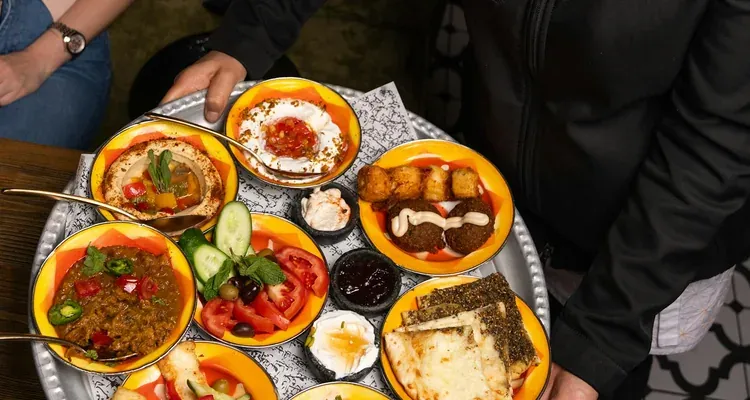
Egyptian cuisine is a vibrant blend of ancient traditions, rich flavors, and diverse influences, featuring dishes like koshari, ful medames, and molokhia that have delighted locals and travelers for centuries. From hearty street food to lavish banquets, Egyptian food offers a unique culinary journey shaped by geography, history, and culture.
Key Takeaways
- Koshari, a mix of pasta, rice, lentils, and tomato sauce, is considered Egypt’s national dish.
- Ful medames, a fava bean stew, is a staple breakfast enjoyed throughout the country.
- Egyptian cuisine features influences from the Middle East, Mediterranean, and Africa.
- Pigeon stuffed with rice or wheat, called hamam mahshi, is a luxury delicacy in Egypt.
- Street food culture is central to Egyptian dining, with dishes like taameya (Egyptian falafel) widely available.
The Rich Heritage of Egyptian Cuisine
Egyptian food is a living testament to the country’s long and storied past. Ancient Egyptians cultivated wheat, barley, and legumes along the fertile Nile, creating the foundation for many modern dishes. Today, Egyptian cuisine is a tapestry woven from Pharaonic, Coptic, Islamic, and Ottoman influences, with each era leaving its mark on local recipes and dining customs. Exploring Egypt’s culinary heritage is as rewarding as discovering its iconic sites, such as the Pyramids of Egypt or the Valley of the Kings.
Signature Egyptian Dishes You Must Try
Koshari: Egypt’s Beloved National Dish
Koshari combines rice, lentils, macaroni, chickpeas, and crispy onions, all topped with a spiced tomato-vinegar sauce. This hearty, vegan-friendly dish is available in restaurants and street stalls across Egypt, offering a taste of everyday life for locals. Koshari’s origins reflect Egypt’s multicultural history, with Italian, Indian, and Middle Eastern influences blending into one satisfying meal.
Ful Medames: The Ancient Breakfast Staple
Ful medames, a slow-cooked fava bean stew, is a breakfast essential that dates back to Pharaonic times. Traditionally seasoned with olive oil, lemon, cumin, and garlic, ful medames is served with warm baladi bread—Egypt’s rustic flatbread. Whether enjoyed at a five-star hotel or a street-side cart, this dish connects modern diners with thousands of years of Egyptian tradition.
Taameya: Egyptian Falafel with a Twist
Unlike Levantine falafel made from chickpeas, taameya uses crushed fava beans mixed with herbs and spices, then fried to a crisp perfection. Served in pita bread with salad and tahini, taameya is a popular vegetarian option and a staple of Egyptian street food culture.
Molokhia: The Green Jewel of Egyptian Cuisine
Molokhia is a soup made from finely chopped jute leaves, simmered with garlic and coriander. Served with rice or bread and often accompanied by chicken, rabbit, or seafood, molokhia’s unique texture and earthy flavor make it a beloved comfort food in Egyptian homes.
Hamam Mahshi: Stuffed Pigeon, a Royal Treat
Hamam mahshi, or stuffed pigeon, is a delicacy often reserved for special occasions. The birds are filled with a fragrant mixture of rice or wheat, nuts, and spices, then roasted until tender. This dish reflects Egypt’s tradition of celebrating with rich, elaborate meals, much like the feasts once held near the Unfinished Obelisk in Aswan.
Egyptian Street Food: Flavors on Every Corner
Egypt’s bustling streets are alive with the aromas of sizzling grills and freshly baked bread. Street vendors sell everything from kofta (spiced meatballs) and shawarma to sweet treats like basbousa and konafa. Sampling street food is an essential part of any visit, offering insight into the country’s vibrant daily life and hospitality. For those planning their first Egypt tour, exploring local markets is a delicious introduction to the culture.
Egyptian Sweets and Desserts
Basbousa and Konafa: Sweet Classics
Basbousa is a semolina cake soaked in syrup, while konafa features fine pastry layered with nuts or sweet cheese. Both are enjoyed during celebrations and religious festivals, reflecting the country’s love for desserts. These treats are often found in bakeries and restaurants, especially during Ramadan and Eid.
Om Ali: Egypt’s Iconic Bread Pudding
Om Ali, a warm bread pudding with milk, nuts, and raisins, is a dessert rooted in royal history. This comforting dish is a favorite at family gatherings and festive occasions, much like the legendary tales of Osiris and Isis that continue to inspire Egyptian culture.
Traditional Egyptian Beverages
Egyptian drinks are as diverse as the cuisine itself. Hibiscus tea (karkadeh) and sugarcane juice are refreshing choices, while sahlab—a creamy hot drink made from orchid tubers—is a winter favorite. Coffee and mint tea are central to Egyptian hospitality, served in homes and cafes throughout the country.
Vegetarian and Vegan Options in Egyptian Food
Egyptian cuisine is naturally rich in vegetarian and vegan dishes, thanks to the abundance of legumes, grains, and vegetables. Dishes like koshari, ful medames, taameya, and lentil soup cater to plant-based diets without sacrificing flavor. Even those on luxury tours, such as the 5 Day Tour to Egypt Luxury, will find a wealth of vegetarian options at top hotels and restaurants.
Dining Etiquette and Food Culture in Egypt
Egyptian hospitality is legendary, with meals often shared among family and friends. It’s customary to eat with the right hand and use bread to scoop up food. Guests are encouraged to try every dish, as refusing may be considered impolite. During Ramadan, special dishes and sweets are prepared for iftar, the meal that breaks the daily fast.
Where to Experience Authentic Egyptian Cuisine
From bustling Cairo to tranquil Aswan, every region offers its own culinary specialties. Luxurious hotels, traditional restaurants, and lively markets provide countless opportunities to savor authentic flavors.
Luxury Dining and Culinary Experiences in Egypt
Egypt’s luxury travel scene offers gourmet dining at world-class hotels and on elegant cruises. Travelers can enjoy multi-course meals featuring local ingredients, paired with fine wines and exceptional service. Packages like the 11 Days Luxury Egypt Tour Package include exclusive culinary experiences, from rooftop dinners overlooking the Nile to private cooking classes with renowned chefs.
Explore Regional Specialties Across Egypt
Each region of Egypt has its own signature dishes. Alexandria is famous for seafood, while Upper Egypt features spicy stews and hearty breads. In Aswan, Nubian cuisine highlights millet, okra, and unique spice blends—best discovered on a Nubian Museum Tour. Exploring these local flavors is an adventure in itself, revealing the diversity within Egyptian cuisine.
Popular Food Experiences for Travelers
Food tours, cooking classes, and market visits are popular activities for travelers seeking a deeper connection to Egyptian culture. Many combined tours with Egypt include culinary experiences, allowing guests to sample everything from street snacks to royal feasts. For those seeking a seamless journey, all-inclusive options like Egypt Tours (All Inclusive - From USA) ensure every meal is a highlight.
Sample Egyptian Food Experiences: At a Glance
| Dish/Experience | Type | Best Location | Typical Price (USD) |
|---|---|---|---|
| Koshari | Street Food | Cairo | 1–3 |
| Ful Medames | Breakfast | Nationwide | 0.5–2 |
| Hamam Mahshi | Restaurant Delicacy | Old Cairo | 10–20 |
| Seafood Platter | Fine Dining | Alexandria | 20–40 |
| Cooking Class | Experience | Luxor | 30–50 |
| Nile Dinner Cruise | Luxury Experience | Cairo/Luxor/Aswan | 40–100 |
Pairing Egyptian Food with Travel Adventures
Pairing culinary exploration with Egypt’s legendary sites creates an unforgettable journey. After a day exploring the Temple of Philae or sailing on the Mayfair Nile Cruise, indulge in a feast of local specialties. Luxury packages, such as the 10 Days Luxury Holiday Tour Egypt, ensure that every meal is as memorable as the monuments themselves.
Planning Your Culinary Journey in Egypt
Whether you’re a food enthusiast or a curious traveler, planning is key to experiencing the best of Egyptian cuisine. Explore local markets, book guided food tours, and seek out both street stalls and fine dining. For personalized itineraries, consider a tailor-made Egypt trip that blends gastronomy with history, adventure, and luxury.
FAQs About Egyptian Food and Cuisine
What are the most famous Egyptian dishes?
The most famous Egyptian dishes include koshari (a mix of pasta, rice, lentils, and tomato sauce), ful medames (fava bean stew), taameya (Egyptian falafel), molokhia (jute leaf soup), and hamam mahshi (stuffed pigeon).
Is Egyptian food spicy?
Egyptian food is generally aromatic rather than spicy, using herbs and mild spices like cumin, coriander, and cinnamon, but dishes are rarely hot unless specifically requested.
Are there vegetarian options in Egyptian cuisine?
Egyptian cuisine offers many vegetarian options, including koshari, ful medames, taameya, lentil soup, and a variety of vegetable stews and salads.
What is the typical Egyptian breakfast?
The typical Egyptian breakfast features ful medames, taameya, eggs, cheese, and baladi bread, often accompanied by fresh vegetables and tea.
Can I find international cuisine in Egypt?
Major cities in Egypt offer a wide range of international cuisines alongside traditional Egyptian food, with many upscale restaurants and hotels serving global dishes.
What should I know about food safety in Egypt?
Travelers should drink bottled water, eat freshly cooked food, and choose reputable restaurants or popular street vendors to ensure food safety in Egypt.
How much does it cost to eat out in Egypt?
Eating out in Egypt is affordable, with street food meals costing $1–3, while mid-range restaurants charge $10–20 per person, and luxury dining experiences can range from $30–100 or more.
Where can I learn more about Egyptian travel and cuisine?
For more insights on Egypt’s culinary scene and travel tips, explore resources like Why Explore National Parks in Egypt? and compare options with Egypt Tour Operators Comparison Fees.