Enchanting Movements of Belly Dance: The Timeless Art of Expression
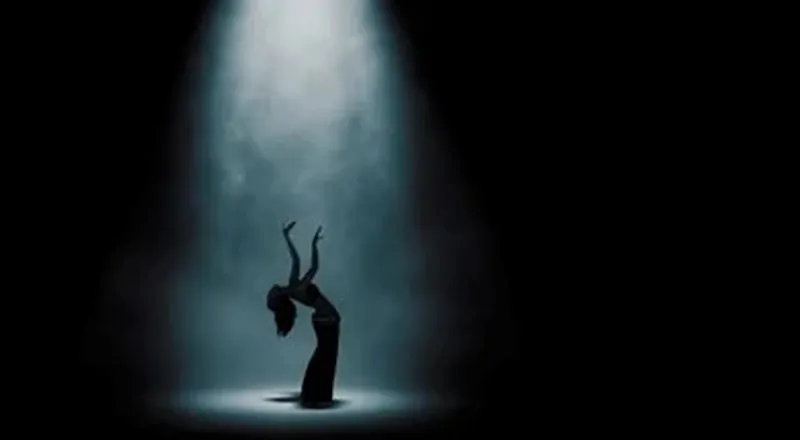
Belly dance, known in Arabic as ‘Raqs Sharqi’, is a mesmerizing form of dance that has enchanted audiences for centuries. It’s more than just graceful movements; it’s a living expression of culture, emotion, and rhythm. Originating in the Middle East, particularly Egypt, belly dance has evolved into a global performance art that celebrates femininity, empowerment, and creativity. The art form combines fluid movements, intricate isolations, and captivating storytelling through the body. With its hypnotic rhythms and shimmering costumes, belly dance embodies an ancient tradition that continues to inspire dancers worldwide.
From Cairo’s glittering cabarets to intimate desert gatherings, belly dance bridges past and present, merging history with personal expression. The origins of belly dance are deeply tied to Egyptian heritage and spirituality, echoing the rich traditions seen throughout Egypt’s cultural tapestry. Its evolution mirrors Egypt’s own transformation — from ancient rituals celebrating fertility and nature to modern performances showcased on grand stages across the world. Whether performed solo or as part of a troupe, belly dance invites both the dancer and the viewer into a world of sensuality, rhythm, and grace.
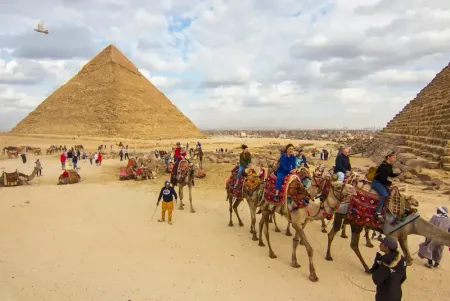
Travelers drawn by Egypt’s cultural heartbeat often find themselves captivated by the beauty of belly dance. Between visiting the Great Pyramids of Giza or exploring the vibrant Khan al-Khalili bazaar, witnessing an authentic performance of Raqs Sharqi becomes an unforgettable memory. The magic lies not just in the dance itself, but in the centuries of Egyptian tradition that it carries forward.
Historical Roots of Belly Dance in Egypt
Egyptians have celebrated movement and music since ancient times. The earliest depictions of dance appear on temple walls and papyrus art, proving that dance was integral to ritualistic and social life. In Pharaonic times, dance honored the gods and symbolized cycles of life, death, and rebirth. The connection between feminine energy and the earth was sacred, and belly dance’s undulating motions reflected this harmony.
Over centuries, as Egypt’s culture evolved, so did its dance forms. The style known today as belly dance flourished during the 19th and early 20th centuries when Egyptian cabarets and movie theaters introduced it to international audiences. Cairo emerged as the epicenter of belly dance, blending traditional roots with modern flair. Dancers like Samia Gamal and Tahia Carioca brought Egypt’s Raqs Sharqi to the silver screen, transforming it into a symbol of elegance and sophistication. Today, many cultural tours such as Cairo Day Tours often include live belly dance shows, allowing visitors to experience this living art firsthand.
The Influence of Egyptian Music on Belly Dance
Music is the heartbeat of belly dance. Egyptian rhythms — from the deep thump of the tabla to the melodic strains of the oud — guide every motion. Traditional songs often set the tempo for improvisation, allowing dancers to interpret music through emotion and technique. The ‘maqam’ system, a set of musical scales used in Arabic compositions, gives belly dance music its distinctive depth and emotional resonance.
Each rhythm carries meaning: the lively Saidi beat evokes Upper Egypt’s folkloric energy, while the slower, sensual baladi rhythm invites earthier, grounded movements. The interplay between dancer and musician, often seen in classic Egyptian nightclubs or on luxurious Luxury Nile Cruises, creates a magical synergy that captivates every audience member.
Costumes and Symbolism in Belly Dance
Belly dance costumes are as expressive as the movements themselves. The shimmering coin belts, beaded bras, and flowing skirts enhance the dancer’s isolations and add musicality to each hip drop. Historically, costumes evolved from simple folk garments into elaborate ensembles adorned with sequins and jewels. Each accessory — from the veil to the zills (finger cymbals) — carries symbolic and aesthetic significance.
In Egypt’s Golden Age of cinema, vibrant costumes became synonymous with glamour and femininity. Modern dancers continue to draw inspiration from that era while infusing their own creativity into design. Watching a dancer twirl beneath the soft lights of a Dinner Cruise Maxim along the Nile is an experience that perfectly encapsulates the elegance and allure of Egyptian culture.
Styles and Regional Variations of Belly Dance
Belly dance isn’t a single uniform style. It encompasses a range of regional variations, each reflecting local traditions and aesthetics. Egyptian Raqs Sharqi is characterized by fluidity, torso isolations, and emotional storytelling. In contrast, the Saidi style incorporates folkloric stick dances from Upper Egypt, emphasizing strength and rhythm. Ghawazee dance, performed by the traditional gypsy communities, is more earthy and improvisational, often accompanied by live musicians and vibrant costumes.
Beyond Egypt, other Middle Eastern countries developed their interpretations — Turkish, Lebanese, and Moroccan styles each bring unique flavors. Yet, it’s Egypt’s version that remains the most influential, shaping global perceptions of belly dance. Many travelers exploring Upper Egypt through Luxor Tours or Aswan Tours discover that each region contributes to the dance’s evolving narrative.
Belly Dance as a Form of Empowerment
Modern belly dance extends beyond performance — it’s a celebration of self-expression, confidence, and empowerment. For many women around the world, learning belly dance nurtures body positivity and reconnects them with their inner strength. The flowing movements encourage mindfulness, while the rhythmic isolations enhance core strength and posture. In Egypt, belly dance continues to symbolize beauty, artistry, and resilience.
This art form’s global resurgence owes much to the modern fitness world. Belly dance classes have become popular across continents, blending traditional elements with contemporary training. Whether performed on stage, in studios, or during cultural festivals, belly dance remains an empowering act of cultural preservation and personal liberation.
The Role of Belly Dance in Egyptian Tourism
Belly dance plays a vital role in promoting Egypt’s tourism and cultural identity. Travelers visiting the country are often eager to witness an authentic performance, which has become as iconic as a visit to the Luxor Temple or Temple of Philae. Many high-end hotels, cruise ships, and cultural centers host professional dancers who blend traditional choreography with modern stagecraft.
These performances often accompany dinner shows or special events, offering tourists an immersive experience that connects them with Egypt’s vibrant heritage. Programs like Egypt Vacation Packages or Luxury Egypt Tours frequently feature evening belly dance performances, ensuring visitors experience the cultural heart of Egypt through music, movement, and storytelling.
Health Benefits of Belly Dance
Beyond its aesthetic appeal, belly dance offers remarkable physical and psychological benefits. The controlled isolations and undulating movements strengthen core muscles, improve coordination, and enhance flexibility. Regular practice can improve posture and joint mobility while offering a low-impact cardiovascular workout.
Mental health also benefits greatly from belly dance. The rhythmic flow of movement encourages relaxation and mindfulness, reducing stress and anxiety. Dancers often describe the experience as meditative, a way to connect body and spirit harmoniously. This therapeutic quality is one reason belly dance has gained popularity as both art and exercise.
Modern Innovations and Global Influence
Belly dance has undergone fascinating transformations in recent decades. Fusion styles now blend traditional Egyptian Raqs Sharqi with contemporary dance genres like jazz, flamenco, and even hip-hop. International festivals celebrate this diversity, drawing performers from across the globe to share their interpretations of the ancient art.
Yet, despite modern reinventions, traditional Egyptian belly dance remains central. Its authenticity, elegance, and historical depth make it a cultural treasure. Visitors exploring Egyptian heritage through Egypt Travel Guide resources often discover that belly dance is more than entertainment — it’s a thread connecting the country’s artistic past to its dynamic present.
FAQs About Belly Dance
What is the origin of belly dance?
Belly dance originates from Egypt and neighboring Middle Eastern regions. It evolved from ancient fertility rituals and social dances into a refined performance art known as Raqs Sharqi. Over centuries, Egyptian dancers perfected the technique, transforming it into a cornerstone of national and cultural identity.
Is belly dance traditional in Egyptian culture?
Yes, belly dance is deeply embedded in Egyptian culture. It reflects the country’s history of music, celebration, and feminine artistry. From rural festivals to urban stages, Egyptians have long embraced dance as a form of storytelling, spirituality, and joy.
What makes Egyptian belly dance unique?
Egyptian belly dance emphasizes controlled isolations, graceful transitions, and emotional expressiveness. Its movements are rooted in traditional music and cultural context, distinguishing it from other regional forms that may focus on acrobatics or dramatic flair.
Can beginners learn belly dance easily?
Absolutely. Belly dance welcomes all ages and skill levels. Beginners often start with basic hip isolations and shimmies before mastering complex sequences. With consistent practice, anyone can develop both the physical coordination and artistic confidence to perform elegantly.
Where can I watch authentic belly dance in Egypt?
Authentic belly dance performances can be enjoyed in Cairo’s cultural venues, traditional restaurants, and Nile cruises. Many evening shows included in Egypt Nile Cruises feature professional dancers performing alongside live musicians, offering a spectacular view of Egypt’s cultural soul.