

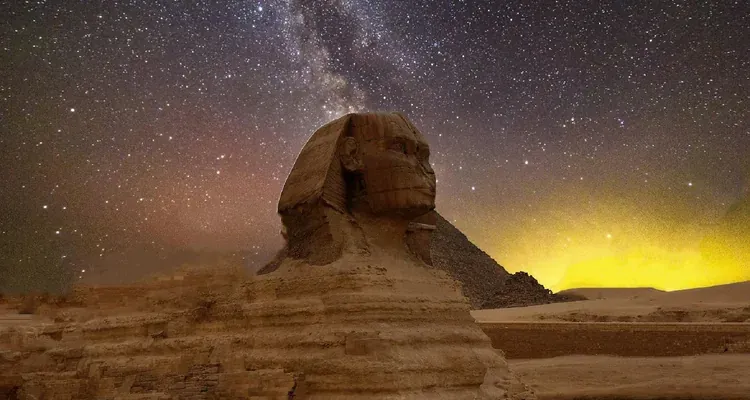
Pyramids and the Stars: Astronomical Alignment in Ancient Egypt
For millennia, the Egyptian pyramids have captivated the imagination of travelers, scholars, and dreamers alike. Rising from the golden sands, these timeless monuments are more than mere tombs—they are a testament to the genius of a civilization that gazed skyward in awe and reverence. In ancient Egypt, the cosmos was not simply a backdrop to daily life, but a living, breathing force that shaped religion, architecture, and destiny. The architectural marvels at Giza, Dahshur, and beyond were designed with a precision that continues to astound modern science, their forms echoing the rhythms of the heavens. As you begin your journey into the secrets of astronomical alignment, you’ll discover how the ancient Egyptians harnessed celestial knowledge to create one of humanity’s greatest wonders.
Whether you are a history enthusiast, a lover of mysteries, or a traveler seeking a transformative experience, the story of the pyramids and the stars invites you to explore Egypt in a new light. Imagine standing at the foot of the Great Pyramid, feeling the same sense of wonder that inspired priests and pharaohs to contemplate the universe. From the sacred geometry of pyramid construction to the mythic tales of gods and constellations, every stone whispers secrets of eternity. To truly appreciate the depth of this legacy, consider exploring the eternal quest for immortality that motivated the ancient builders. Embark on a journey where science, spirituality, and adventure converge, and let the stars guide you through the heart of Egypt’s most enduring mysteries.
The Ancient Egyptian View of the Cosmos
Ancient Egyptians saw the universe as a harmonious interplay between earth and sky, a cosmic dance orchestrated by powerful deities. The sun, moon, and stars were not just celestial bodies—they were gods who shaped the fate of the world. The Milky Way was thought to be a celestial river, mirroring the life-giving Nile below. This worldview influenced every aspect of life, from agriculture to architecture. The alignment of temples and pyramids with cardinal points and significant stars reflected a desire to maintain balance and order, known as Ma’at. To delve deeper into the spiritual realm, the legend of Osiris and Isis offers a profound look at how myth and astronomy were intertwined in Egyptian thought.
Celestial Deities and Their Influence
The Egyptians revered gods such as Ra, the sun god, and Nut, the sky goddess, believing their movements controlled the cycles of life and death. The annual flooding of the Nile, for instance, was linked to the rising of Sirius, the brightest star in the night sky. This event signaled the start of the new year and was celebrated with grand ceremonies. For those keen to experience Egypt’s natural wonders, exploring Ras Mohammed National Park offers a modern-day connection to the awe-inspiring forces of nature that shaped ancient beliefs.
Architectural Wonders: The Science Behind Pyramid Alignment
The precision with which the pyramids were constructed continues to baffle experts. The Great Pyramid of Giza, for example, is aligned with incredible accuracy to the cardinal points—north, south, east, and west. This was no accident. Ancient architects employed advanced knowledge of astronomy and mathematics to ensure that these monumental structures echoed the order of the cosmos. The sides of the Great Pyramid are aligned within a fraction of a degree to true north, a feat that would be remarkable even today. To understand why such precision was vital, the article on the purpose of pyramids in ancient Egypt provides valuable insights into their role as both tombs and cosmic engines.
Techniques for Astronomical Alignment
Egyptian builders used tools like the merkhet (a sighting instrument) and the gnomon (a vertical rod) to track the movement of stars and the sun. By observing the circumpolar stars—those that never set—they could determine true north with remarkable accuracy. This knowledge was passed down through generations of priest-astronomers, whose expertise was crucial to the construction of royal monuments. For a taste of Egypt’s regal heritage, a visit to the lush gardens of Montazah Palace in Alexandria offers a glimpse into the opulence and grandeur that has inspired travelers for centuries.
The Orion Correlation Theory: Pyramids and the Belt of Orion
One of the most intriguing theories about pyramid alignment is the Orion Correlation Theory. Proposed by Robert Bauval, this theory suggests that the three main pyramids at Giza mirror the position of the three stars in Orion’s Belt. In Egyptian mythology, Orion was associated with Osiris, the god of the afterlife. Aligning the pyramids with these stars was believed to facilitate the pharaoh’s journey to the heavens, ensuring his immortality among the gods. For those interested in the intersection of myth and astronomy, learning about the Egypt 19th Dynasty can provide context on how royal beliefs evolved alongside astronomical knowledge.
Symbolism and Spiritual Significance
The alignment with Orion’s Belt was not merely symbolic—it was a deliberate act of cosmic engineering. The ancient Egyptians believed that by aligning the king’s final resting place with the stars, they were securing his place in the eternal cycle of rebirth. This concept is echoed in the design of other sacred sites, where orientation and placement were dictated by celestial events. For a firsthand look at Egypt’s mystical landscapes, the surreal beauty of the White Desert of Egypt offers a dreamlike setting that evokes the timeless connection between earth and sky.
Solstices, Equinoxes, and Sacred Geometry
Beyond stellar alignments, the pyramids and temples of Egypt were often oriented to mark significant solar events. The solstices and equinoxes played a central role in the agricultural calendar and religious festivals. Temples such as Abu Simbel were designed so that the sun would illuminate the inner sanctum on specific days of the year, a phenomenon that draws visitors from around the world. To experience this magical event, consider booking an Abu Simbel Tour and witness the wonder for yourself.
Mathematics and the Golden Ratio
Egyptian architects also employed sacred geometry in their constructions, using ratios and proportions that reflected the harmony of the universe. The dimensions of the Great Pyramid, for example, incorporate the golden ratio, a mathematical constant found throughout nature. This attention to detail ensured that each monument resonated with cosmic order, reinforcing the divine authority of the pharaoh. For those seeking a deeper exploration of Egypt’s architectural wonders, embarking on a Dahabiya Cruise offers a luxurious way to visit ancient sites along the Nile, where you can immerse yourself in the legacy of sacred design.
Celestial Navigation on the Nile
The Nile River was the lifeblood of ancient Egypt, and its annual flooding was crucial for agriculture and survival. Navigating this mighty river required an intimate knowledge of the stars. Sailors used the positions of constellations to guide their journeys, ensuring safe passage from one city to another. Today, you can relive this timeless tradition aboard the Salima Nile Cruise, where the gentle flow of the river and the starlit sky evoke the spirit of ancient explorers.
Luxury Nile Cruises: A Modern Stargazing Adventure
For those who crave both comfort and adventure, a luxury cruise such as the Adonis Nile Cruise offers an unparalleled experience. Glide past temples and tombs, savor gourmet cuisine, and unwind beneath the same constellations that guided pharaohs and priests. For an extended journey, the 3 Nights Nile Cruise Egypt provides the perfect blend of relaxation and discovery, allowing you to experience the magic of the Nile at your own pace.
Exploring Egypt’s Astronomical Heritage Today
Modern travelers have a wealth of opportunities to connect with Egypt’s celestial legacy. From guided tours of the pyramids to immersive stargazing experiences in the desert, the possibilities are endless. For a truly exclusive adventure, the 11 Days Luxury Egypt Vacation package offers a curated itinerary that includes private access to iconic sites, expert guides, and personalized service. Whether you are tracing the footsteps of ancient astronomers or simply marveling at the night sky, Egypt invites you to experience the wonder of the stars in a setting like no other.
Stargazing in the Desert: A Timeless Experience
The deserts of Egypt offer some of the clearest night skies in the world, making them ideal for stargazing. Far from the lights of the city, you can witness the Milky Way in all its glory, just as the ancients did. For those seeking a more intimate escape, the 05 Days Luxury Private Tour Egypt provides exclusive access to remote sites and unforgettable experiences under the stars.
Myth, Mystery, and the Quest for Immortality
The connection between the pyramids and the stars is more than architectural—it is deeply spiritual. The ancient Egyptians believed that by aligning their monuments with the cosmos, they could ensure the eternal life of the soul. This quest for immortality is at the heart of Egypt’s enduring allure. For a deeper understanding, the story of the Egyptian god of dust reveals how myth and the elements were woven into the fabric of daily life and death.
Legacy of the Pharaohs: Tombs and Temples
The legacy of Egypt’s astronomical knowledge lives on in its tombs and temples. The Tomb of Nefertari Luxor is renowned for its stunning celestial artwork, depicting the journey of the soul through the stars. Exploring these sacred spaces offers a window into the hopes and dreams of a civilization that dared to reach for the heavens.
Beyond the Pyramids: Egypt’s Natural and Cultural Wonders
While the pyramids are the crown jewels of Egypt’s astronomical heritage, the country is home to countless other wonders. The national parks, deserts, and palaces each tell their own story of man’s relationship with the cosmos. For nature lovers, the article on why explore national parks in Egypt highlights the country’s rich biodiversity and breathtaking landscapes. For those drawn to the mysteries of the past, the Lake Nasser Cruises offer a tranquil escape into a world where history and nature converge.
Planning Your Astronomical Adventure
Egypt offers endless possibilities for those inspired by the stars. Whether you are seeking luxury, adventure, or spiritual discovery, there is a journey waiting for you. To make the most of your experience, explore curated options like the White Desert or embark on a classic Nile adventure. Whatever your path, let the wisdom of the ancients and the beauty of the cosmos guide your way.
Conclusion: Embrace the Magic of Egypt’s Celestial Legacy
The story of the pyramids and the stars is a journey through time, space, and human imagination. From the sacred geometry of ancient monuments to the living traditions of today, Egypt continues to inspire awe and wonder. By exploring the astronomical alignments of its pyramids, you not only uncover the secrets of a lost civilization but also connect with the universal desire to reach for the stars. Begin your own adventure, and let Egypt’s celestial legacy transform the way you see the world. For more inspiration on luxury travel and ancient wonders, browse our collection of curated experiences and discover why Egypt remains the ultimate destination for seekers, dreamers, and explorers.