

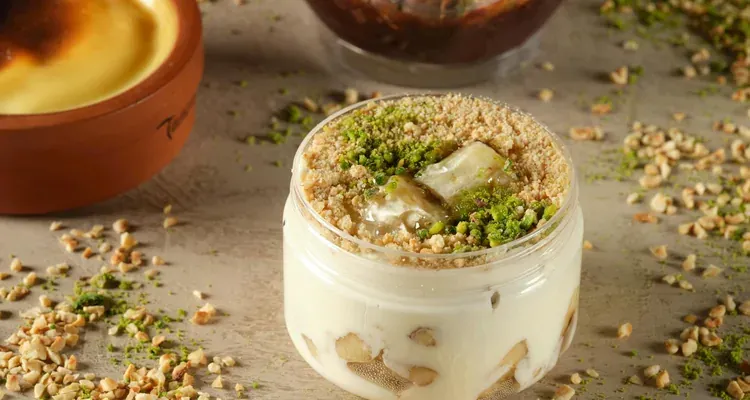
Om Ali: Egypt's Famous Bread Pudding Recipe
Om Ali is Egypt’s most beloved dessert, a rich bread pudding layered with pastry, milk, nuts, and cream, then baked until golden and bubbling. Served warm, Om Ali is a staple at festive gatherings and a must-try for visitors seeking authentic Egyptian flavors. Its comforting texture and aromatic ingredients make it a timeless favorite across the country.
Key Takeaways
- Om Ali is a traditional Egyptian bread pudding made with pastry, milk, sugar, and nuts, served hot as a dessert.
- The dessert is deeply tied to Egyptian history and is often enjoyed during Ramadan and major celebrations.
- Om Ali can be found in restaurants, hotels, and homes throughout Egypt, with each chef adding their own twist.
- Mobile phone photography of Om Ali and other dishes at Ministry-run sites is free of charge per the Ministry's official ticketing service.
- Official fees and hours for sites and museums are revised periodically; always check the latest details before your visit.
Egyptian cuisine is a mosaic of flavors, and Om Ali stands at its heart as a symbol of hospitality and celebration. Whether you are exploring the bustling streets of Cairo or relaxing along the Nile, this dessert tells a story that blends culinary artistry with rich history. Om Ali’s origins date back to the Mamluk era, and its legend is as captivating as its taste. Today, it is served everywhere from luxury hotels to cozy family kitchens, making it both accessible and luxurious. For travelers on a Lake Nasser Cruise Egypt or those joining a Egypt and Dubai Holiday, sampling Om Ali is an essential part of the journey.
Om Ali is more than a dessert; it is a cultural experience. The ritual of preparing and sharing this pudding brings people together, especially during Ramadan and other festive occasions. Its creamy texture, subtle sweetness, and the crunch of toasted nuts create a memorable finish to any meal. For those interested in Egyptian culinary traditions, Om Ali offers a delicious introduction to the country’s hospitality and warmth. To delve deeper into Egyptian food culture, discover dishes like Koshary: What It Is & Authentic Egyptian Recipe and Hawawshi: Egyptian Stuffed Meat Bread Recipe for a full culinary adventure.
The Captivating History of Om Ali
The story of Om Ali is woven into the fabric of Egyptian history. Legend has it that the dessert was created to celebrate the victory of Om Ali, the wife of the Mamluk Sultan Ezz El-Din Aybak, after a dramatic palace rivalry. She ordered her cooks to distribute this sweet pudding to the people, making Om Ali a dish of triumph and generosity. Over centuries, the recipe evolved, but its spirit of celebration endures. For a detailed look at this fascinating tale, explore the Om Ali Recipe and History blog.
Om Ali’s Place in Egyptian Celebrations
Om Ali is a centerpiece at Egyptian feasts, particularly during Ramadan, weddings, and major festivals. Its comforting warmth is especially cherished after a day of fasting, making it a highlight of iftar tables across the nation. The dessert’s popularity extends beyond religious events; it is also a staple at luxury hotels and cruise ships, such as those featured on an Egypt Nile Cruise Luxury, where guests can savor authentic flavors while gliding along the Nile.
Authentic Om Ali Recipe: Ingredients and Preparation
The classic Om Ali recipe calls for simple yet indulgent ingredients: puff pastry or phyllo, whole milk, heavy cream, sugar, a variety of nuts, and sometimes coconut or raisins. The dish is assembled by layering torn pastry with nuts, soaking everything in sweetened milk and cream, and baking until a golden crust forms. Each family and chef may add their own twist, using different nuts or spices such as cinnamon or cardamom for extra aroma. For those embarking on a culinary adventure, learning to make Om Ali is a delightful way to bring a taste of Egypt home.
| Ingredient | Traditional Use | Popular Variations |
|---|---|---|
| Puff Pastry | Base layer, torn into pieces | Phyllo, croissant, or leftover bread |
| Milk | Poured over pastry for moisture | Evaporated milk, plant-based milk |
| Sugar | Sweetens the milk mixture | Brown sugar, honey |
| Nuts | Pistachios, almonds, hazelnuts | Walnuts, coconut, raisins |
| Cream | Creates a rich, golden crust | Clotted cream, whipped cream |
For travelers who wish to experience Om Ali at its best, many restaurants in Memphis Egypt Old Capital and Fayoum Tunis Village Egypt offer their own creative versions. Exploring these culinary hotspots is a journey through Egypt’s vibrant food scene.
Where to Eat Om Ali in Egypt
Om Ali is widely available, from bustling city bakeries to high-end hotels and river cruises. In Cairo, luxury hotels often serve Om Ali as part of their dessert buffets, while local pastry shops offer freshly baked portions for takeaway. Adventurous foodies can sample Om Ali at desert lodges near the White Desert National Park Egypt or during a Egyptian Museum, Old Coptic and Islamic Cairo Tour. Each venue brings its own atmosphere, ensuring that every Om Ali experience is unique.
Tips for Enjoying Om Ali Like a Local
To fully appreciate Om Ali, enjoy it fresh from the oven while the top is still crisp and the filling is creamy. Locals often pair it with a cup of mint tea or strong Egyptian coffee. If you’re joining a Famous Egypt Events Tours, look for Om Ali on the menu during festive dinners. The dessert is also a highlight of communal meals during Ramadan, where families and friends gather to break their fast with traditional sweets.
Om Ali and Egypt’s Cultural Heritage
Egypt is home to seven UNESCO World Heritage sites per UNESCO, and its culinary traditions are as treasured as its monuments. Om Ali embodies the spirit of Egyptian hospitality, bringing people together in celebration. Whether you’re sampling street food or dining in elegance, this dessert offers a taste of Egypt’s rich cultural tapestry. For those interested in exploring more of Egypt’s wonders, consider a Dubai and Egypt Vacation Package or a journey across Egypt to experience both its ancient sites and modern cuisine.
Practical Information for Visitors
When visiting museums or monuments, remember that mobile phone photography is free of charge at Ministry-run sites per the Ministry's official ticketing service. If you’re planning to purchase tickets to heritage sites, all monument ticket prices are in Egyptian Pounds (EGP) per the Ministry's official ticketing service. Card payment is available at self-service machines for site tickets at Giza, but card acceptance is not guaranteed at every site. Arrive at least one hour before the site's closing time, especially during Ramadan when opening hours may be reduced and are published per-site on the ticketing portal. Free entry is available for children under 6, Egyptian seniors 60+, Egyptians with special needs, and orphaned children, with some exemptions at the National Museum of Egyptian Civilization (NMEC) on Fridays, Saturdays, and public holidays. Students must present a valid ID and their age must not exceed 24 to be eligible for student tickets.
For a truly immersive experience, combine your culinary exploration with a Egypt and Dubai Package or take a Snorkeling Trip at Port Ghalib from Marsa Alam to discover the full spectrum of Egyptian hospitality, from the Red Sea to the desert and beyond.
Frequently Asked Questions
What is Om Ali and how is it different from other bread puddings?
Om Ali is a traditional Egyptian bread pudding made with layers of pastry, milk, sugar, and nuts, baked until golden. Unlike Western bread puddings, Om Ali often uses puff pastry or phyllo instead of bread, and it is typically served hot with a rich, creamy texture.
Where can I try authentic Om Ali in Egypt?
Authentic Om Ali can be found in restaurants, hotels, and bakeries throughout Egypt, especially in Cairo, Alexandria, and tourist destinations. Luxury hotels and Nile cruises frequently include Om Ali in their dessert selections, offering a premium experience for travelers.
Is Om Ali suitable for vegetarians?
Om Ali is generally suitable for vegetarians as it is made from pastry, milk, sugar, and nuts. However, it is advisable to confirm the ingredients at each establishment, as recipes may vary and some versions may include added cream or flavorings.
Can I take photos of Om Ali at museums or monuments?
Photography with a mobile phone is free of charge at Ministry-run sites in Egypt, including photos of food like Om Ali, per the Ministry's official ticketing service. Commercial or professional filming requires prior permission.
Are there any ticket discounts or free entry policies for visitors?
Free entry to Egyptian monuments and museums is available for children under 6, Egyptian seniors 60+, Egyptians with special needs, and orphaned children per the Ministry of Tourism and Antiquities. Student tickets require a valid student ID and the student must not exceed 24 years of age.
What currency is used for monument and museum tickets in Egypt?
All monument and museum ticket prices in Egypt are quoted in Egyptian Pounds (EGP) per the Ministry's official ticketing service.
Are card payments accepted for site tickets?
Self-service machines at the Giza site accept bank cards for site tickets per the Ministry of Tourism and Antiquities, but card acceptance is not guaranteed at all sites, so carrying cash is recommended.
When is the best time to arrive at museums or monuments?
It is recommended to arrive at least one hour before the site's closing time, especially during Ramadan when sites and museums run reduced hours published per-site on the ticketing portal.