

Egyptian Pyramid Construction Techniques Explained: Secrets of Ancient Engineering
The Egyptian pyramids have fascinated travelers, scholars, and explorers for centuries. Rising from the desert sands with an aura of mystery and grandeur, these ancient marvels are not only iconic symbols of Egypt but also remarkable achievements of engineering and human ingenuity. The construction of the pyramids, particularly the Great Pyramid of Giza, has sparked endless curiosity—how did an ancient civilization, thousands of years ago, create such precise, massive structures without modern machinery? In this in-depth exploration, we unveil the secrets behind Egyptian pyramid construction techniques, blending archaeological evidence with the latest theories to provide a comprehensive understanding of these timeless wonders. Whether you’re a history enthusiast or planning your own Egyptian adventure, understanding the construction of the pyramids adds a layer of appreciation to your journey. For those who want to enhance their travel experience with cultural insights, consider reading about The Evolution of Pyramids in Egypt to see how these architectural masterpieces developed over time.
Visiting Egypt is more than just witnessing the pyramids; it’s an invitation to step into a world where myth, history, and innovation intertwine. The story of pyramid construction is not only about moving stones—it’s about the vision of pharaohs, the dedication of thousands of workers, and the advanced knowledge of mathematics, astronomy, and logistics. As you walk through the ancient sites, the stones beneath your feet whisper tales of ambition and devotion. If you’re considering a journey to Egypt, explore our Egypt Tours Packages from USA for a seamless, luxurious travel experience that brings you face-to-face with these ancient wonders.
The Origins of Pyramid Building: From Mastabas to Monuments
The evolution of pyramid construction techniques began with the mastaba, a simple rectangular tomb used by early Egyptian nobility. Over time, architects and craftsmen experimented with new shapes and methods, gradually transforming these flat-roofed structures into the stepped pyramids we recognize today. The most famous example of this transition is the Step Pyramid of Djoser at Saqqara, designed by the visionary architect Imhotep. This innovation laid the foundation for the smooth-sided pyramids that would later dominate the Giza plateau. For those interested in the broader context of Egypt’s architectural evolution, our guide to the Best Cities to Visit in Egypt highlights destinations where you can witness the legacy of ancient builders firsthand.
Key Innovations in Ancient Egyptian Architecture
Each new pyramid represented a leap in design and technique. The transition from step-sided to smooth-sided pyramids required precise calculations and an understanding of structural stability. The Great Pyramid of Giza, commissioned by Pharaoh Khufu, stands as the pinnacle of this architectural evolution. Its alignment with the cardinal points and near-perfect proportions demonstrate the Egyptians’ advanced knowledge of geometry and astronomy. For a deeper dive into the cultural significance of these achievements, explore the Legend of Osiris and Isis, which influenced many aspects of ancient Egyptian belief and art.
The Materials and Tools: Sourcing and Shaping the Stones
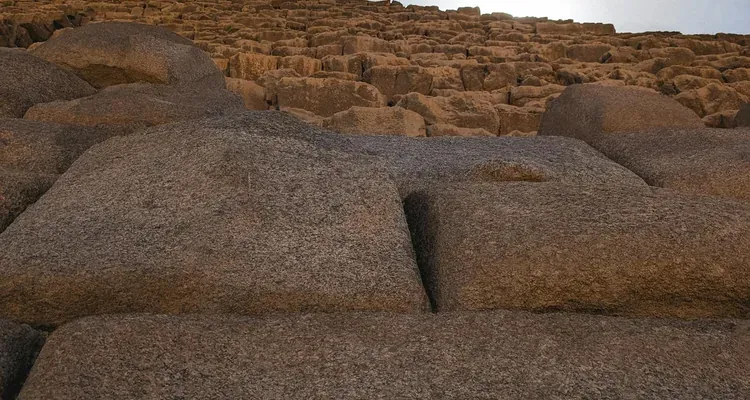
One of the most impressive aspects of pyramid construction is the sheer scale and precision of the stonework. The primary material used was limestone, quarried locally for the core blocks and sourced from Tura for the smooth outer casing. Granite, transported from Aswan, was used for the inner chambers and sarcophagi. The logistics of moving these massive stones—some weighing up to 80 tons—required meticulous planning and innovative tools. Copper chisels, wooden sledges, and levers were among the essential instruments, while water and sand were used to reduce friction during transport. For those intrigued by the source of these materials, our Aswan Tours offer a chance to visit the ancient granite quarries and witness the birthplace of these monumental stones.
Techniques for Quarrying and Transporting Stone Blocks
The process began in the quarries, where workers cut stone blocks using copper tools and wooden wedges. Once extracted, the blocks were transported to the construction site using sledges pulled over lubricated sand. Recent discoveries suggest that canals and the Nile River played a vital role in moving stones closer to the pyramid sites. To learn more about the significance of the Nile in ancient and modern Egypt, visit our guide to The Nile River, the lifeblood of Egyptian civilization.
Engineering Marvels: Planning and Aligning the Pyramids
Building a pyramid required more than just physical labor; it demanded careful planning, precise measurements, and a deep understanding of mathematics. The architects began by selecting a stable site and orienting the pyramid with incredible accuracy—often aligned with the points of the compass or celestial bodies. The Great Pyramid’s sides are aligned within a fraction of a degree of true north, a feat that continues to astound modern engineers. For travelers interested in the intersection of history and science, the National Museum of Egyptian Civilization in Cairo offers fascinating exhibits on ancient technology and innovation.
Theories Behind the Construction Process
Several theories have been proposed to explain how the Egyptians built the pyramids. The most widely accepted involves the use of ramps—straight, zigzagging, or circular—constructed from mudbrick and limestone chips. These ramps allowed workers to haul blocks to ever-increasing heights as the pyramid rose. Some researchers suggest that internal spiral ramps may have been used, concealed within the pyramid’s structure. While the debate continues, ongoing archaeological discoveries shed new light on these ancient methods. For a memorable experience that brings history to life, consider attending the Sound and light show pyramids with dinner, where the story of pyramid construction is dramatically retold beneath the stars.
The Workforce: Organization and Daily Life of the Builders
Contrary to popular myths, the pyramids were not built by slaves but by a well-organized workforce of skilled laborers, artisans, and seasonal workers. Archaeological evidence, including workers’ villages and tombs, reveals that these builders were well-fed, housed, and respected for their contributions. The work was organized into crews and teams, each responsible for specific tasks, from quarrying and transport to masonry and finishing. The sense of purpose and pride among the workers is evident in graffiti left behind on the stones, bearing the names of their teams and playful messages. If you’re interested in understanding the daily life of ancient Egyptians beyond the pyramids, our article on Things to Buy in Egypt offers insights into the crafts and traditions that have endured through the ages.
Living Conditions and Social Structure
The workers lived in purpose-built villages near the construction sites, with access to bakeries, breweries, and medical care. Their diet included bread, beer, vegetables, and occasionally meat, reflecting the importance of their role in society. The organization of labor was a testament to the Egyptians’ administrative skills, ensuring that projects of immense scale could be completed efficiently. For travelers seeking to immerse themselves in the vibrant atmosphere of modern Egyptian markets, a stroll through Khan Al Khalili offers a sensory journey through centuries of commerce and community.
Symbolism and Purpose: Why the Pyramids Were Built
The pyramids were more than monumental tombs; they were designed as gateways to eternity, reflecting the Egyptians’ beliefs in the afterlife and the divine status of the pharaoh. The pyramid’s shape, reaching toward the sky, symbolized the rays of the sun god Ra and the ascent of the soul. Elaborate burial chambers, hidden passages, and intricate carvings all served to protect the pharaoh’s journey to the afterlife. To fully appreciate the spiritual and cultural significance of these sites, consider a Esplanade Nile Cruise, where expert guides illuminate the stories behind Egypt’s sacred monuments.
Influence on Later Architecture and Culture
The legacy of the pyramids extends far beyond ancient Egypt. Their influence can be seen in architectural styles across the Mediterranean and beyond, inspiring generations of builders and artists. The enduring fascination with the pyramids is a testament to their power as symbols of human achievement and aspiration. For those planning an extended exploration of Egypt’s treasures, the 10 Day Egypt Tour Private offers a curated journey through the country’s most iconic sites, including the legendary pyramids.
Modern Discoveries: New Insights into Ancient Construction
Archaeology is an ever-evolving field, and each year brings new discoveries that challenge and enrich our understanding of pyramid construction. Recent finds include papyri detailing logistics, workers’ camps, and evidence of sophisticated water management systems. These insights reveal the complexity and organization required to build the pyramids, underscoring the Egyptians’ mastery of engineering and resource management. For the latest updates on archaeological breakthroughs, our article on Why Explore National Parks in Egypt? highlights the ongoing efforts to preserve and study Egypt’s natural and cultural heritage.
Technological Advances in Archaeological Research
Today, advanced technologies such as satellite imagery, 3D scanning, and ground-penetrating radar are revolutionizing the study of ancient sites. These tools allow researchers to map hidden chambers, analyze construction methods, and reconstruct the original appearance of the pyramids. If you’re eager to witness the intersection of ancient and modern Egypt, our 08 Days Private Egypt Trip combines expert-led tours with exclusive access to archaeological sites, offering a truly immersive experience.
When to Visit and How to Experience the Pyramids
Timing can make all the difference when visiting the pyramids. The cooler months from October to April offer the most comfortable climate for exploring the Giza plateau and other ancient sites. Early mornings and late afternoons provide the best light for photography and a more peaceful atmosphere. For a tailored itinerary that maximizes your experience, the 08 Days Egypt Private Tour Package ensures personalized service and expert guidance throughout your journey.
Enhancing Your Visit with Cultural Experiences
No trip to Egypt is complete without exploring its vibrant culture and rich history. Combine your pyramid adventure with visits to museums, mosques, and bustling bazaars to gain a deeper understanding of the country’s heritage. The majestic Alabaster Mosque in Cairo is a stunning example of Islamic architecture, offering panoramic views of the city and a glimpse into Egypt’s diverse cultural tapestry.
Beyond Giza: Exploring Other Pyramid Sites and Nile Cruises
While the pyramids of Giza are the most famous, Egypt is home to numerous other pyramid sites, each with its own unique story. Saqqara, Dahshur, and Meidum offer opportunities to explore lesser-known pyramids and gain a broader perspective on ancient construction techniques. To complement your land-based explorations, consider a Lake Nasser Cruise Egypt, which takes you to remote temples and monuments accessible only by water, revealing the full scope of Egypt’s ancient landscape.
Customizing Your Egyptian Adventure
Whether you’re a first-time visitor or a seasoned Egyptophile, customizing your itinerary allows you to focus on the aspects of pyramid construction and history that fascinate you most. Our expert team can craft bespoke experiences, from private tours to exclusive access events. For inspiration on how to make the most of your trip, read our guide on The Best Time to Visit Egypt and discover tips for planning the ultimate Egyptian getaway.
Conclusion: The Enduring Allure of Egypt’s Pyramids
The construction techniques of the Egyptian pyramids remain one of history’s greatest achievements, blending artistry, science, and sheer determination. Every visit to these ancient monuments is a journey through time, offering new insights and unforgettable moments. As you stand in the shadow of the Great Pyramid, you become part of a story that spans millennia—a story of ambition, innovation, and the relentless pursuit of eternity. To further enrich your exploration, consider extending your adventure with a curated journey through Egypt’s wonders, such as the 10 Day Egypt Tour Private or a scenic Nile cruise. The magic of Egypt awaits, promising memories and discoveries that will last a lifetime.
Related reading: The Great Pyramid's Air Shafts Explained.