
Egypt rewards travelers year-round, but timing your trip can transform a good holiday into a spectacular one. From golden mornings at the Giza Plateau to balmy dives in the Red Sea, Egypt’s climate and crowds vary widely by region and season. This guide breaks down the best time to visit Egypt for every type of traveler — whether you’re hunting down quiet temple photos, planning a Nile cruise, chasing world-class diving, or aiming to avoid peak prices. Expect practical month-by-month advice, regional breakdowns, festival notes, packing tips, and an FAQ that answers the most searched questions like “What is the best time to visit Egypt for a Nile cruise?” and “When should I go to Egypt to avoid crowds?”
Why timing matters: climate, crowds and costs
Choosing the best time to visit Egypt comes down to three variables: weather, crowds, and prices. Egypt’s climate ranges from Mediterranean along the northern coast to true desert in Upper Egypt, so a month that’s perfect for Cairo day tours may be blistering in Luxor. Peak tourist season (roughly October–April) brings mild temperatures and full cultural calendars, but also higher accommodation rates and busier sites. Summer months (May–September) can be brutally hot in the Nile Valley but offer bargains, quieter temples and exceptional conditions for Nile cruises and Red Sea diving. Think about what matters most to you — comfort, budget, or specific activities — then match your dates accordingly.
Peak season (October to April): ideal for sightseeing and Nile cruises
If you want pleasant sightseeing weather, crisp evenings and comfortable Nile cruise conditions, plan for October through April. Days in Cairo, Alexandria and Luxor are generally mild—perfect for temple walks and open-air photography. This window is also the prime time for cultural festivals and museum visits, and it’s when most archaeological sites operate longest hours.
Best for: first-time visitors, family trips, photography, festivals, and the majority of Nile cruises.
Considerations: busiest months (December–January) can mean higher prices and crowded sites; book flights and hotels well in advance.
Shoulder months: late September, October and April — the sweet spot
Late September and October, and March into April, are shoulder months offering the best compromise: fewer crowds than peak winter, cooler temperatures than high summer, and still-good diving conditions on the Red Sea. These are standout months if you want to combine a Nile cruise with seaside relaxation.
Summer (May to September): hot, cheaper, and great for Red Sea divers
Summer is the time of deep discounts. Expect very high temperatures across the Nile Valley, often exceeding 40°C (104°F) in Aswan and Luxor. But if you can handle the heat, you’ll find empty temples, steeply reduced cruise and hotel rates, and excellent visibility for diving in the Red Sea. Early-morning and late-afternoon touring work best during these months.
Best for: budget travelers, repeat visitors, family vacations, Red Sea scuba diving and snorkeling (water temps peak).
Considerations: intense midday heat makes interior sightseeing taxing — plan early starts and mid-day rests.
Regional breakdown: pick the best time by destination
Cairo & the Delta — Autumn to spring (October–April) is best for city tours, museums and the Giza Plateau. Winters are mild; rare rain and cooler nights make evening dining enjoyable.
Nile Valley (Luxor, Aswan, Edfu) — Best from October to March when daytime heat is comfortable. Summers are extremely hot; still, river cruises run year-round and offer shaded decks and air-conditioned cabins.
Red Sea & Sinai (Hurghada, Sharm el-Sheikh, Dahab) — Year-round diving, with summer warmest for water sports and winter ideal for milder air temps while retaining great underwater visibility.
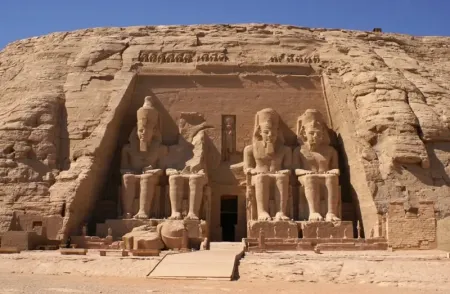
Lake Nasser & Abu Simbel — Winter months provide comfortable tour conditions; the site of Abu Simbel is spectacular at dawn in cool weather. Summer heat can be intense, though Lake Nasser cruises offer a relaxing way to explore.
Festivals, holidays and cultural considerations
Planning around Egypt’s cultural calendar can add depth to your trip — or complicate logistics. Ramadan affects opening hours, meal services and public life (restaurants may be closed during daylight for fasting locals, though tourist venues usually remain open). Major holidays like Eid al-Fitr and Eid al-Adha see domestic travel spikes and higher prices. On the flip side, festivals such as Cairo TranScape, Luxor African Film Festival, and various Nubian celebrations offer memorable cultural experiences — check dates before booking. Learn more about Egypt's holidays and traditions to better plan around these times.
Practical tips: packing, health and booking windows
What to pack: lightweight layers for daytime, a light jacket for Sinai/Cairo nights in winter, sun protection (hat, sunscreen), comfortable walking shoes, and modest clothing for religious sites. Refer to our guide on what to pack for Egypt.
Health: stay hydrated, avoid midday heat, and carry a small first-aid kit. If traveling during Ramadan, respect local customs.
When to book: for peak season (Oct–Apr) reserve 2–4 months ahead; for holidays and cruises, book earlier. Summer bargains sometimes appear 6–8 weeks before travel.
Month-by-month quick guide
January–February: Cool, excellent for sightseeing; busy around New Year.
March–April: Spring shoulder season — ideal temperatures, blooming landscapes in some regions.
May–June: Hot in Nile Valley; good deals and superb Red Sea diving.
July–August: Hottest months; minimal crowds, low prices; focus on seaside or early morning tours.
September–October: Cooling down; great for mixed itineraries (Nile + Red Sea).
November–December: Prime season for weather and festivals; book early.
Best time to visit Egypt for specific interests
Nile cruise: October–March for comfortable days and cool nights.
Diving in the Red Sea: Year-round; April–June and September–November offer warm water and excellent visibility. Explore the Egyptian Red Sea guide for more.
Avoiding crowds at the pyramids: Visit early morning in shoulder months (Oct, Apr) or off-peak summer with an early start.
Photography: Winter golden light and autumn/spring shoulder months.
How to Choose Your Dates
Picture sunrise at the Sphinx with almost no other tourists.
Imagine cooler walking temperatures, perfect light for photos, and a relaxed cruise schedule.
Now pick shoulder months for comfort without crowds — October or March are ideal.
Check flights and secure a luxury Egypt tour or vacation package; book a guide for early-entry temple itineraries.
FAQs — Searchable answers people want
Q1: When is the best time to visit Egypt for a Nile cruise?
A: October to March—milder weather, calm river conditions, and comfortable sightseeing temperatures.
Q2: Can I visit Egypt in summer?
A: Yes — you’ll find lower prices and fewer crowds. Plan for early tours and focus on the Dahabiya cruises or Red Sea.
Q3: What is the best month to visit the pyramids to avoid crowds?
A: Late September–October and March–April are sweet spots for fewer crowds and pleasant weather.
Q4: When is the best time to visit Egypt for diving?
A: Spring and autumn (April–June, Sept–Nov) provide excellent visibility; the Red Sea is dive-friendly year-round.
Q5: Should I avoid Egypt during Ramadan?
A: Not necessarily. Ramadan offers cultural insight but affects dining and some opening hours. Tourists are welcome, and many services remain available.
Q6: When are hotel prices lowest in Egypt?
A: Summer months (June–August) and late January/September shoulder periods often feature reduced rates. For great value and fewer tourists, consider options like the Egypt private tours.
Once you have picked your season, see how to plan the rest of your Egypt trip.
Explore more: Egypt in Summer · Egypt in Winter
Egypt Month by Month: Plan by When You Travel
Egypt is a year-round destination, but every month has its own rhythm of weather, crowds and events. Use the month-by-month guide below to plan around exactly when you can travel:
- Egypt Tours in January — cool and dry peak season — ideal for Luxor and Aswan sightseeing.
- Egypt Tours in February — mild, sunny days; comfortable for the Pyramids and Nile cruises.
- Egypt Tours in March — warm and pleasant as the shoulder season begins.
- Egypt Tours in April — warm; watch for the occasional khamaseen desert wind.
- Egypt Tours in May — hot in the south — a strong month for the Red Sea and diving.
- Egypt Tours in June — early summer heat; beaches, cruises and cooler evenings up north.
- Egypt Tours in July — very hot inland, so the Mediterranean coast and Red Sea shine.
- Egypt Tours in August — peak summer — beach and diving season along the coasts.
- Egypt Tours in September — still warm, with the heat easing later in the month.
- Egypt Tours in October — warm days and cooler evenings — an excellent all-round month.
- Egypt Tours in November — mild and sunny; one of the best months to visit.
- Egypt Tours in December — cool and festive, with peak holiday-season demand.
Prefer to plan by season instead? See Egypt in Winter and Egypt in Summer.
Planning around a specific month? Read our guides to Egypt in October, Egypt in November, Egypt in December and Egypt in January.
.webp)