

The Evolution of Pyramids in Egypt: Tracing the Legacy of Ancient Architectural Marvels
Egypt’s pyramids are more than just iconic silhouettes rising from the desert sands—they are enduring symbols of human ingenuity, spiritual devotion, and the relentless pursuit of immortality. The story of their evolution is a captivating journey through time, revealing how early experimentation blossomed into the awe-inspiring masterpieces that continue to fascinate travelers and historians alike. From the enigmatic step pyramids to the grand, smooth-sided wonders of Giza, each monument reflects the ambitions and beliefs of a civilization that shaped the course of history. As you explore this narrative, you’ll uncover the secrets behind their construction, the cultural context that inspired their creation, and the enduring mysteries that still draw visitors from across the globe. For those seeking to immerse themselves in Egypt’s ancient wonders, understanding the evolution of its pyramids is the key to unlocking a deeper appreciation for the land of the pharaohs. Whether you’re planning an unforgettable journey or simply dreaming of standing in the shadow of these ancient giants, this guide will illuminate every chapter of Egypt’s architectural legacy. To ensure a safe and seamless experience, discover essential tips in our guide on Is Travel in Egypt Safe? and prepare to witness history come alive.
Early Beginnings: The Step Pyramid and the Birth of Monumental Architecture
The story of pyramid construction in Egypt begins with a revolutionary leap in design—the Step Pyramid of Djoser at Saqqara. Built during the 27th century BCE, this structure marked a dramatic departure from traditional mastaba tombs, introducing a new era of monumental stone architecture. Designed by the visionary architect Imhotep, the Step Pyramid was conceived as a series of stacked terraces, rising six levels above the desert floor. Its innovative design not only symbolized the pharaoh’s ascent to the heavens but also set the stage for centuries of architectural experimentation. For those with a keen interest in uncovering lesser-known wonders, our comprehensive article, Hidden Pyramids in Egypt: A Complete List, reveals more about Egypt’s early pyramid sites that remain off the beaten path.
The Bent Pyramid and the Quest for Perfection
Following the success of the Step Pyramid, Egyptian architects embarked on a quest to create a true smooth-sided pyramid. This ambition gave rise to the Bent Pyramid at Dahshur, commissioned by Pharaoh Sneferu. The Bent Pyramid’s unique silhouette, with its change in angle midway up, tells a fascinating story of trial and adaptation. Engineers initially aimed for steep sides but altered the angle during construction to prevent collapse, resulting in the pyramid’s distinctive “bent” appearance. This monument stands as a testament to the learning curve faced by ancient builders and their relentless pursuit of perfection. For travelers eager to explore the legacy of Egypt’s great rulers, curated experiences like the Cairo Day Tours offer immersive journeys through the heart of ancient innovation.
The Red Pyramid: The First True Pyramid
Sneferu’s architectural ambitions culminated in the construction of the Red Pyramid, also at Dahshur. This structure is celebrated as Egypt’s first successful smooth-sided pyramid, marking a pivotal moment in the evolution of pyramid design. The Red Pyramid’s elegant lines and stable construction techniques would serve as the blueprint for future generations. Its reddish limestone hue glows spectacularly at sunset, offering a breathtaking spectacle for visitors. To experience the grandeur of Egypt’s ancient sites with luxury and comfort, consider the 10-Day Egypt Luxury Trip with Dahabiya Nile Cruise, which seamlessly blends history, relaxation, and adventure.
The Giza Plateau: Pinnacle of Pyramid Construction
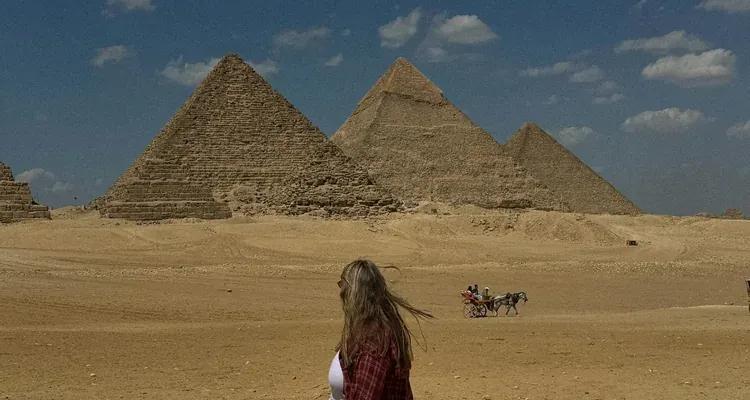
No discussion of pyramids is complete without the legendary Giza Plateau. Here, the construction of the Great Pyramid of Khufu, alongside those of Khafre and Menkaure, represents the zenith of ancient Egyptian engineering. The Great Pyramid, the only surviving Wonder of the Ancient World, continues to awe with its sheer scale and precision. Each block, meticulously placed, speaks to the organizational prowess and spiritual aspirations of the Old Kingdom. The surrounding complex, including the enigmatic Sphinx and smaller satellite pyramids, paints a vivid picture of royal power and religious devotion. For an in-depth exploration of Egypt’s most iconic monuments, our Luxor Tours offer unparalleled access to the country’s archaeological treasures.
Engineering Marvels: Techniques and Innovations
The construction of Egypt’s grandest pyramids demanded unprecedented feats of logistics and engineering. Ancient builders developed sophisticated methods for quarrying, transporting, and assembling massive limestone and granite blocks. Recent research suggests the use of ramps, levers, and a highly organized workforce—evidence of a society united by a common vision. The alignment of pyramids with cardinal points and celestial bodies reflects a deep understanding of astronomy, further enhancing their symbolic significance. To delve into the intersection of myth and architecture, discover the captivating tale of The Legend of Osiris and Isis, which illuminates the spiritual beliefs underpinning pyramid construction.
The Pyramid Complex: Beyond the Main Structure
Pyramids were never isolated monuments; they formed the centerpiece of elaborate complexes that included mortuary temples, causeways, and subsidiary tombs. These structures served as the stage for rituals ensuring the pharaoh’s safe passage to the afterlife. The intricate carvings and reliefs found within these temples provide a vivid record of Egypt’s religious ceremonies and daily life. For those interested in exploring Egypt’s multifaceted heritage, a visit to the Nubian Museum offers a deeper understanding of the region’s diverse cultures and artistic achievements.
Regional Variations: Pyramids Beyond Giza
While Giza’s pyramids are the most famous, Egypt’s landscape is dotted with lesser-known structures that reveal regional variations in design and construction. In the Fayoum, the pyramid of Hawara and the nearby Qarun Lake region highlight the spread of pyramid building beyond the Nile Valley. These sites offer a more intimate glimpse into the evolution of funerary architecture, as local rulers adapted royal traditions to their unique environments. Exploring these hidden gems not only broadens your perspective but also connects you to the enduring spirit of ancient Egypt. For a tailored experience, the 5 Day Tour to Egypt Luxury provides exclusive access to both celebrated and secret sites.
The Middle Kingdom and Decline of Pyramid Building
As Egypt transitioned into the Middle Kingdom, pyramid construction continued but with notable changes. Pyramids became smaller, often built with mudbrick cores and encased in limestone. Many of these structures did not withstand the test of time, yet their remains offer valuable insights into shifts in political power and religious practice. The decline of pyramid building coincided with the rise of rock-cut tombs in the Valley of the Kings, signaling a new chapter in the country’s funerary traditions. For a comprehensive look at the region’s natural and cultural wonders, explore the importance of Why Explore National Parks in Egypt? during your journey.
Pyramids in Nubia: The Legacy Continues
The influence of Egypt’s pyramid builders extended south into Nubia, where the Kingdom of Kush constructed its own distinctive pyramids at sites like Meroë. These slender, steep-sided monuments reflect both the adoption and adaptation of Egyptian traditions by Nubian royalty. Visiting Lake Nasser in Africa offers the opportunity to witness the enduring legacy of pyramid construction in the broader Nile Valley, as well as the breathtaking landscapes that have shaped civilizations for millennia.
The Symbolism and Spiritual Significance of Pyramids
Egyptian pyramids were not merely tombs—they were cosmic engines, designed to facilitate the pharaoh’s journey to the afterlife. Their precise orientation and monumental scale reflected a deep connection to the sun, stars, and cycles of rebirth. The pyramid’s shape, rising from a broad base to a pointed apex, symbolized the primordial mound from which life emerged, as well as the rays of the sun god Ra. Rituals performed within the pyramid complexes ensured the eternal vitality of the king’s soul, reinforcing the divine order that sustained Egypt’s civilization. To immerse yourself in this spiritual landscape, embark on a Le Fayan Nile Cruise, where ancient temples and sacred sites come to life along the legendary river.
Pyramids in Art, Literature, and Modern Imagination
The allure of Egypt’s pyramids has transcended time, inspiring artists, writers, and travelers for centuries. From ancient hieroglyphs to contemporary novels and films, these monuments have become universal symbols of mystery and adventure. Modern Egypt continues to celebrate its heritage through festivals, museums, and immersive experiences. For those seeking to deepen their cultural journey, a visit to the Dandara Temple offers a glimpse into the artistic and religious achievements that flourished alongside pyramid building.
Exploring Egypt’s Pyramids: Tips for the Modern Traveler
Today, Egypt’s pyramids beckon travelers from every corner of the world. To make the most of your visit, it’s essential to plan ahead and choose experiences that align with your interests and comfort level. Consider guided tours that offer expert insights, exclusive access, and seamless logistics. For a truly luxurious adventure, the 10 Days Luxury Holiday Tour Egypt combines the majesty of ancient monuments with world-class hospitality and personalized service.
Combining Pyramids with Nile Cruises and Culinary Delights
Pairing your pyramid exploration with a Nile cruise unlocks a unique perspective on Egypt’s timeless landscape. Sail in style aboard the MS Alexander The Great Nile Cruise, where each stop reveals new layers of history and culture. Enhance your journey by savoring local cuisine—discover the flavors of Egypt in our guide to Traditional Dishes in Egypt, and enjoy authentic meals as you travel between ancient wonders.
Day Tours and Beyond: Unlocking Egypt’s Hidden Treasures
For those with limited time or a desire to focus on specific themes, curated day tours provide the perfect solution. Explore the treasures of Cairo’s museums and historic districts with the Egyptian Museum, Old Coptic and Islamic Cairo Tour, or venture further to discover the wonders of Luxor and Aswan. Each experience is designed to reveal the layers of history that make Egypt a destination unlike any other.
Conclusion: The Enduring Legacy of Egypt’s Pyramids
The evolution of pyramids in Egypt is a testament to the vision, creativity, and spiritual depth of an extraordinary civilization. From the earliest experiments in stone to the majestic monuments of Giza and beyond, these structures continue to inspire awe and wonder. Their enduring legacy invites us to reflect on the universal quest for meaning, memory, and transcendence. Whether you are drawn by history, architecture, or the allure of adventure, Egypt’s pyramids promise an experience that will stay with you for a lifetime. To enrich your journey, consider exploring the natural wonders that shaped ancient life—such as the fascinating What Is a Cataract in Egypt?—and let the spirit of discovery guide your path through this timeless land.
Explore more: Egypt Historical Tours