

How Long Did It Take to Build the Pyramids? Unraveling the Mysteries of Ancient Egyptian Engineering
The pyramids of Egypt have captivated travelers, historians, and dreamers for centuries. Rising majestically from the golden sands of Giza, these awe-inspiring monuments are not only symbols of ancient ingenuity but also enduring testaments to human ambition. Among the many questions that echo across the millennia, one stands out: how long did it take to build the pyramids? The answer is as fascinating as the monuments themselves, blending scientific discovery, historical research, and a touch of enduring mystery. For those planning a journey to Egypt, understanding the story behind the pyramids adds a deeper layer of appreciation to your adventure, whether you’re exploring the enigmatic Sakkara Necropolis or marveling at the treasures within the Grand Egyptian Museum. In this article, we’ll guide you through the latest research, expert theories, and the rich context that makes the pyramids some of the world’s most alluring wonders. Whether you’re considering a luxury tour or a family vacation, the story of the pyramids’ construction will enrich your experience and inspire your imagination.
As you delve into the secrets of ancient Egypt, you’ll find that every stone, every corridor, and every legend is woven into a tapestry of innovation and ambition. The question of how long it took to construct these incredible structures is not just about numbers—it’s about the people, the culture, and the relentless pursuit of immortality that defined a civilization. If you’re seeking the best value Egypt tours or dreaming of a cruise along the Nile, the story of the pyramids will become an essential chapter in your own Egyptian adventure. Let’s journey into the heart of this ancient enigma and uncover the answers that have intrigued the world for generations.
For those inspired to explore more, don’t miss the vibrant coastal beauty of Dahab Egypt, where natural wonders complement Egypt’s ancient marvels.
The Construction Timeline: Facts Behind the Pyramids’ Creation
Determining exactly how long it took to build the pyramids is a challenge that has engaged archaeologists for decades. The most renowned pyramid, the Great Pyramid of Giza, was constructed during the reign of Pharaoh Khufu, around 2580–2560 BCE. According to historical records and modern archaeological evidence, it is estimated that the Great Pyramid took approximately 20 years to complete. This timeline is supported by ancient graffiti, worker settlements, and administrative papyri found near the site.
While the Great Pyramid is the most famous, it is part of a larger complex that includes the pyramids of Khafre and Menkaure, each with their own unique construction periods and architectural features. Scholars believe that the combined effort to build all three major pyramids at Giza spanned several decades, with each monument reflecting the advancements in engineering and organization of its time. For an in-depth look at the evolution of pyramid construction, a visit to Sakkara Necropolis offers a glimpse into the earliest pyramid-building techniques, including the famous Step Pyramid of Djoser.
Labor Force and Organization: The Human Element
The construction of the pyramids was an immense logistical undertaking, requiring the coordination of thousands of skilled and unskilled workers. Contrary to popular myths of slave labor, evidence suggests that the workforce was composed of well-fed, highly organized teams of laborers, artisans, engineers, and architects. These workers lived in purpose-built villages near the construction sites, where they were provided with food, medical care, and housing.
Recent discoveries, such as the administrative records found in the vicinity of the Giza plateau, reveal a sophisticated system for managing labor, resources, and schedules. The Valley Temple in Giza, a crucial part of the pyramid complex, highlights the advanced planning and ceremonial significance of these projects. For visitors interested in the daily lives of ancient Egyptians, exploring The Valley Temple in Giza provides a tangible connection to the people who made these wonders possible.
Materials and Techniques: Mastery of Stone
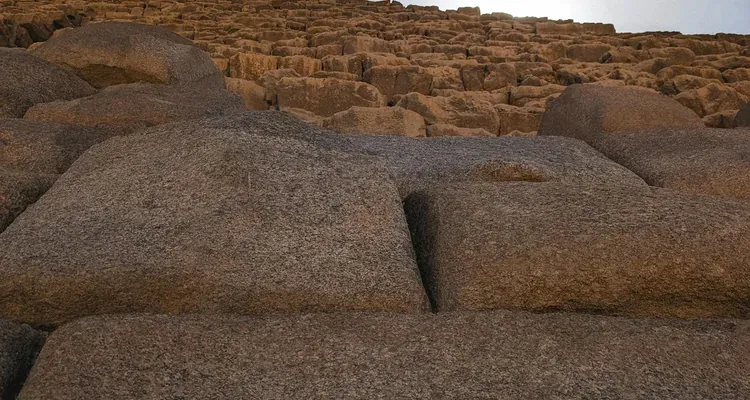
One of the most remarkable aspects of pyramid construction is the sheer volume of materials required. The Great Pyramid alone consists of over 2.3 million limestone and granite blocks, some weighing as much as 80 tons. Transporting, cutting, and placing these stones demanded advanced knowledge of engineering and an unparalleled commitment to precision. Ancient builders utilized ramps, levers, and copper tools to shape and move the massive blocks, often working in challenging conditions.
To witness the artistry and innovation of ancient Egyptian stonemasons, a tour of the The Grand Egyptian Museum showcases artifacts and architectural fragments that tell the story of pyramid construction in vivid detail. For those planning a comprehensive itinerary, the Aswan Tours category offers excursions to the ancient quarries where much of the stone was sourced, providing insight into the origins of these monumental structures.
Phases of Construction: From Foundation to Capstone
The construction of a pyramid followed a series of carefully orchestrated phases. It began with the preparation of the site and the laying of a precise foundation, followed by the gradual building up of the core and outer casing stones. The interior chambers and passageways were crafted with meticulous attention to alignment and symbolism, reflecting the Egyptians’ deep spiritual beliefs.
Each phase of construction required specialized teams and tools, with the final step being the placement of the pyramidion, or capstone, which was often gilded to reflect the sun’s rays. The entire process, from groundbreaking to completion, was a testament to the Egyptians’ organizational prowess and religious devotion. For families eager to immerse themselves in this ancient world, the 08 Days Egypt Tour Package for Family offers tailored experiences at iconic sites, bringing history to life for all ages.
Historical Context: Why Were the Pyramids Built?
Understanding the timeline of pyramid construction is deeply connected to the question of why these monuments were built in the first place. The pyramids served as royal tombs, designed to ensure the pharaoh’s safe passage to the afterlife and to demonstrate the power and divine authority of the ruler. Each pyramid was part of a larger mortuary complex that included temples, causeways, and subsidiary tombs, reflecting the Egyptians’ intricate beliefs about death and resurrection.
For those intrigued by the rituals and traditions of ancient Egypt, exploring the 7 steps of mummification provides insight into the spiritual motivations that drove the construction of these monumental tombs. The pyramids were not merely architectural feats; they were sacred spaces imbued with meaning, designed to endure for eternity.
The Legacy of the Pyramids: Enduring Wonders
Today, the pyramids stand as enduring symbols of Egypt’s golden age, attracting millions of visitors from around the globe. Their construction has inspired countless theories, from alien intervention to lost technologies, but the truth is far more compelling—a testament to human ingenuity, collaboration, and vision. As you plan your journey, consider the advantages of visiting Egypt during the low season, when the crowds thin and the monuments reveal their quiet majesty. The Advantages of Visiting Egypt During Low Season blog offers tips for making the most of your adventure.
For those seeking a deeper connection to Egypt’s past, the Best Value Egypt Tours blog highlights curated experiences that blend luxury, history, and personalized service. Whether you’re drawn to the mysteries of the pyramids or the vibrant culture of modern Egypt, your journey promises memories that will last a lifetime.
Experiencing the Pyramids: Travel Tips and Inspiration
Standing before the pyramids is an unforgettable moment—one that stirs the imagination and invites reflection on the achievements of ancient civilizations. To fully appreciate these wonders, consider embarking on a guided tour that provides expert insight and exclusive access. The 08 Days Egypt Family Vacation Tour is designed to immerse you in the highlights of Egypt, from the pyramids to the bustling markets of Cairo.
For those with a spirit of adventure, the 07 Days Egypt Adventure Tour offers unique experiences, including desert excursions and Nile cruises, allowing you to explore Egypt’s diverse landscapes and rich heritage. To complement your pyramid exploration, a Dinner Cruise Maxim along the Nile provides a magical evening of fine dining and entertainment, set against the backdrop of Cairo’s illuminated skyline.
Beyond the Pyramids: Discover Egypt’s Hidden Gems
While the pyramids are undoubtedly the crown jewels of Egyptian heritage, the country offers a wealth of other attractions waiting to be discovered. The stunning landscapes of the Coloured Canyon in Sinai invite exploration and adventure, while the tranquil beauty of the Nile comes alive on a luxury cruise. For those seeking an unforgettable journey, the Farah Nile Cruise and the Acamar Nile Cruise offer an elegant way to experience Egypt’s timeless river and its ancient temples.
To truly appreciate the breadth of Egypt’s wonders, explore the Egypt Tours Packages from USA category, where tailored itineraries cater to every interest and travel style. From the mysteries of the pyramids to the vibrant life of modern cities, Egypt promises a journey of discovery at every turn.
Conclusion: The Pyramids—A Testament to Timeless Ambition
The question of how long it took to build the pyramids opens a window into the heart of ancient Egypt—a civilization defined by vision, innovation, and a quest for immortality. While the answer may be measured in decades, the true legacy of the pyramids endures through the ages, inspiring all who stand in their shadow. Whether you’re tracing the footsteps of pharaohs, exploring the secrets of mummification, or savoring the flavors of Egyptian cuisine, your journey is part of a story that continues to unfold.
For those planning a visit during the festive season, discover how ancient traditions blend with modern celebrations in the How Is Christmas in Egypt? blog. And for a deeper understanding of Egypt’s historical tapestry, the epic Battle of Kadesh provides context to the nation’s enduring legacy. The pyramids are more than monuments—they are invitations to explore, to wonder, and to dream. Begin your adventure today and let Egypt’s timeless treasures inspire your next journey.
Related reading: Why Did the Egyptians Build Pyramids? The Quest for · What Tools Were Used to Build the Pyramids?.