

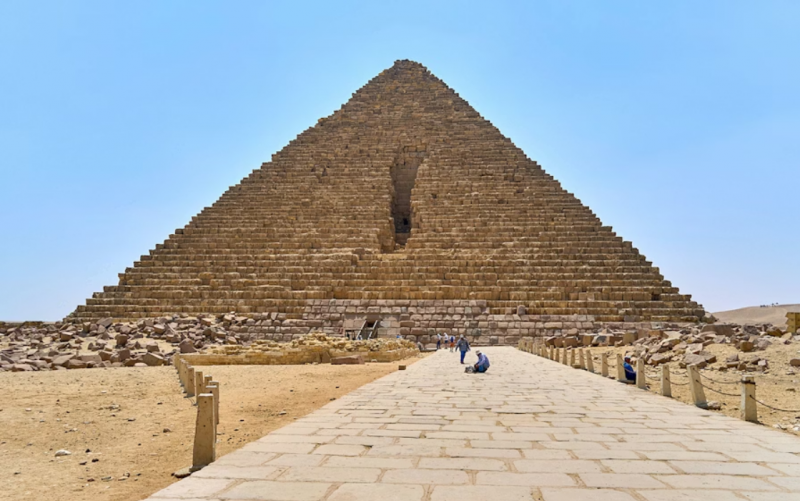
The Great Pyramid of Khufu (Cheops): Facts & Dimensions
Standing sentinel on the Giza Plateau, the Great Pyramid of Khufu—also known as the Pyramid of Cheops—remains one of the world’s most iconic and enigmatic monuments. This ancient marvel is not only the largest of Egypt’s pyramids but also the last surviving wonder of the original Seven Wonders of the Ancient World. For centuries, travelers, scholars, and royalty have been captivated by its sheer scale, mathematical precision, and the mysteries shrouding its construction. A journey to the Great Pyramid is a transformative experience, offering a rare glimpse into the ingenuity of ancient Egyptian civilization and the grandeur that once defined the Nile Valley. Whether you are a seasoned explorer or a first-time visitor, understanding the facts and dimensions of the Great Pyramid of Khufu elevates your appreciation for its enduring legacy. To make the most of your visit, consider a trip to Giza Pyramids and Egyptian Museum for an immersive introduction to Egypt’s ancient wonders.
The Great Pyramid’s allure lies not only in its monumental size but also in the stories carved into every stone. Built for Pharaoh Khufu over 4,500 years ago, this structure was designed to ensure his place among the gods for eternity. The precision with which it was constructed continues to astound modern architects and engineers. From its original gleaming limestone casing to its labyrinthine internal chambers, the pyramid is a testament to the ambition and sophistication of ancient Egyptian society. As you stand in its shadow, you are connected to a lineage that stretches back millennia, to a time when Egypt was the heart of the ancient world. Embarking on a journey that includes the Great Pyramid is more than a sightseeing adventure—it’s a passage through history, myth, and the enduring spirit of human achievement. For those seeking to enrich their travels, exploring the Egypt and Jordan Tours category unlocks even more treasures of the ancient world.
Unveiling the History: Who Was Khufu?
Khufu, known to the Greeks as Cheops, was the second pharaoh of Egypt’s Fourth Dynasty, ruling during the Old Kingdom era. His reign, dating from around 2589 to 2566 BCE, is synonymous with ambition and architectural innovation. Khufu’s decision to build the largest pyramid ever constructed was both a declaration of divine kingship and a demonstration of Egypt’s economic and organizational power. The pyramid was intended as his eternal resting place, reflecting the ancient Egyptians’ deep beliefs in the afterlife and the pharaoh’s role as a living god. To truly appreciate the significance of Khufu’s reign, delve into the education in Ancient Egypt and discover how knowledge and craftsmanship flourished under his rule.
Architectural Mastery: The Construction of the Great Pyramid
Constructing the Great Pyramid required unprecedented coordination, resources, and expertise. Historians estimate that over 2 million limestone and granite blocks, each weighing between 2.5 and 15 tons, were used in its assembly. Theories abound regarding how these massive stones were transported and positioned with such remarkable precision. Some suggest the use of ramps, levers, and a highly skilled workforce, while others point to advanced knowledge of mathematics and astronomy. The pyramid’s base covers an area of approximately 13 acres, and each side was originally aligned almost perfectly with the cardinal points of the compass. For a deeper understanding of ancient Egyptian engineering, consider reading about top travel agencies in Egypt that offer guided tours with expert Egyptologists who bring these stories to life.
Dimensions That Defy Time: Size and Scale of the Great Pyramid
The original height of the Great Pyramid was approximately 146.6 meters (481 feet), though today it stands at 138.5 meters (454 feet) due to the loss of its outer casing stones. Each side of its square base measures about 230.4 meters (756 feet), and the pyramid’s total mass is estimated at 5.9 million tons. The accuracy of its construction is astonishing—the difference in length between the longest and shortest sides is less than 5 centimeters. These dimensions made the Great Pyramid the tallest human-made structure on Earth for over 3,800 years. To experience the scale firsthand and explore Egypt’s other architectural marvels, embark on the best Nile River cruises that reveal the grandeur of ancient Egypt from a unique perspective.
Inside the Pyramid: Chambers and Passages
The Great Pyramid’s interior is a labyrinth of corridors, galleries, and chambers, each with its own purpose and mystery. The most significant rooms include the King’s Chamber, the Queen’s Chamber, and the Grand Gallery. The King’s Chamber, constructed from massive granite blocks, once housed Khufu’s sarcophagus and is aligned with incredible precision. The Queen’s Chamber, despite its name, may have served a symbolic purpose rather than being the final resting place of a royal consort. Narrow shafts and secret passages have led to ongoing speculation about hidden chambers and undiscovered treasures. For those passionate about history and adventure, the 08 Days Best Egypt tour with Nile cruise offers exclusive access to Egypt’s most fascinating sites, including the enigmatic interiors of the pyramids.
Symbolism and Spiritual Significance of Khufu’s Pyramid
The Great Pyramid was far more than a tomb; it was a symbol of cosmic order and the pharaoh’s divine authority. Ancient Egyptians believed that the pyramid’s shape represented the primordial mound from which life emerged, and its golden capstone—now missing—was said to harness the rays of the sun god Ra. The pyramid’s orientation and proportions were designed to reflect celestial patterns, aligning with the stars and the cardinal points. This spiritual symbolism permeated every aspect of its construction, from the choice of materials to the rituals performed during its building. To further immerse yourself in the spiritual heritage of Egypt, explore the Temple of Horus, a masterpiece of religious architecture in Aswan.
The Giza Plateau: A Timeless Landscape
The Great Pyramid is the centerpiece of the Giza Plateau, a vast necropolis that also includes the pyramids of Khafre and Menkaure, the Great Sphinx, and numerous smaller tombs and temples. This sacred landscape was carefully chosen for its proximity to the ancient capital of Memphis and its alignment with the Nile River. The Giza Plateau has inspired generations of explorers, artists, and writers, each drawn to its aura of mystery and majesty. For a truly immersive experience, the 5 Star Luxury Nile Cruise offers panoramic views and curated excursions to the plateau’s most iconic sites.
Modern Discoveries and Ongoing Research
Despite centuries of study, the Great Pyramid continues to reveal new secrets. Recent discoveries using advanced technologies such as muon tomography have identified previously unknown voids within the structure, sparking fresh debates about their purpose. Archaeologists and historians remain fascinated by the pyramid’s construction methods, astronomical alignments, and the possibility of hidden chambers. The ongoing research ensures that the Great Pyramid remains at the forefront of archaeological exploration. To stay updated on the latest findings and plan your own journey, read about Why American Travelers Love Egypt and how you can be part of this ongoing story.
Essential Travel Tips for Visiting the Great Pyramid
Visiting the Great Pyramid is a once-in-a-lifetime experience, but preparation is key to making the most of your adventure. Arrive early to avoid crowds and the midday heat, and consider hiring a knowledgeable guide to unlock the pyramid’s hidden stories. Dress comfortably, wear sturdy shoes, and bring water and sun protection. For those seeking a seamless, luxurious experience, booking through a reputable agency ensures access to exclusive tours and amenities. Discover reasons to book with an Egypt travel agent and elevate your journey with expert planning and personalized service.
Beyond the Pyramid: Exploring Nearby Attractions
While the Great Pyramid is the star attraction, the surrounding region offers a wealth of cultural and historical sites. Don’t miss the vibrant performances at Wekalet El Ghouri, an architectural gem in the heart of Cairo. For a journey into Egypt’s natural history, venture to Wadi Al Hitan, the Valley of the Whales, a UNESCO World Heritage Site teeming with fossils. Each destination adds a new dimension to your Egyptian adventure, blending ancient wonders with modern vibrancy.
Luxury Travel Packages and Curated Experiences
For discerning travelers seeking exclusivity and comfort, Egypt’s luxury travel packages offer unparalleled access to its most treasured sites. The 06 Days Cairo to Luxor Tour seamlessly connects the wonders of the Giza Plateau with the temples of Luxor, providing a curated journey through Egypt’s royal legacy. These packages often include private guides, deluxe accommodations, and personalized itineraries that cater to your interests and pace.
If you have more time, the 11 Days Egypt Trip offers an in-depth exploration of Egypt’s most iconic and lesser-known treasures, from ancient tombs to bustling bazaars. For those captivated by Egypt’s riverine beauty, the Mövenpick MS Royal Lily cruise blends luxury with discovery as you sail past temples and timeless landscapes.
Why Choose a Local Operator for Your Egypt Adventure?
Partnering with a local tour operator unlocks a world of advantages, from insider access to cost savings and cultural insights. Local experts understand the nuances of Egyptian hospitality, ensuring your journey is smooth, safe, and deeply enriching. Learn how a local operator in Egypt saves you money while delivering authentic, unforgettable experiences.
For travelers from the United States, trust is paramount. Discover why Egypt Top Tours is the best tour agency in Egypt for USA travelers, offering peace of mind, transparent pricing, and exceptional service tailored to your needs.
Exploring Egypt’s Rich Heritage: Temples and Ancient Sites
Egypt’s heritage extends far beyond the Giza Plateau. In Aswan, the Temple of Khnum stands as a testament to the artistry and devotion of ancient craftsmen. Journeying up the Nile, the 5 Star Luxury Nile Cruise offers a gateway to Egypt’s most breathtaking temples, tombs, and landscapes, all from the comfort of a floating palace.
Planning Your Visit: Making the Most of the Great Pyramid Experience
To fully appreciate the Great Pyramid of Khufu, plan your visit during the cooler months between October and April, when the weather is ideal for exploration. Consider combining your pyramid adventure with a cruise along the Nile or an extended stay in Cairo to immerse yourself in Egypt’s vibrant culture and cuisine. For travelers seeking a comprehensive itinerary, the 08 Days Best Egypt tour with Nile cruise is a popular choice, blending ancient wonders with modern luxury.
If you are inspired to explore more, the Best Nile River Cruises category showcases the finest itineraries for discovering Egypt’s timeless river and its legendary monuments.
Conclusion: The Enduring Legacy of the Great Pyramid of Khufu
The Great Pyramid of Khufu is more than a monument—it is a testament to human ambition, creativity, and the enduring power of mystery. Its colossal size, intricate design, and spiritual symbolism continue to inspire awe and wonder in all who visit. Whether you are drawn by history, architecture, or the thrill of discovery, the Great Pyramid promises an experience unlike any other. As you plan your journey, explore the wealth of options available, from tailor-made Egypt trips to immersive luxury Nile cruises, and unlock the secrets of Egypt’s ancient world.
The Great Pyramid is the largest of many. Discover how many pyramids are in Egypt in total.
Related reading: The Red Pyramid of Egypt: Facts & History · The Great Pyramid's Burial Chamber.
Explore more: Egypt Historical Tours