
The Timeless Charm of Wekalet El Ghouri in Cairo’s Historic Heart

Hidden within the bustling alleys of Islamic Cairo, Wekalet El Ghouri stands as a striking testament to Egypt’s Mamluk heritage. This architectural gem, built in 1504 during the reign of Sultan Qansuh El Ghouri, remains one of the finest examples of medieval commercial complexes in Egypt. Beyond its historical significance, Wekalet El Ghouri continues to breathe life into Cairo’s vibrant cultural scene. Every visitor who steps into its majestic courtyard feels an immediate connection to Egypt’s golden age of craftsmanship, trade, and art. The site not only preserves ancient architectural grandeur but also serves as a sanctuary where tradition and performance art intertwine. The rhythmic beats of the Tannoura dance echo through its ancient stones, captivating audiences night after night.
For travelers seeking to uncover the deeper layers of Cairo beyond the pyramids, Wekalet El Ghouri presents an enchanting slice of history seamlessly blended with culture. Its strategic location near El Moez Street and Khan al-Khalili makes it a perfect stop on a walking tour of Islamic Cairo. The air smells of spices and incense, the lantern-lit corridors whisper tales from a bygone era, and artisans’ workshops still echo with the clinking of metal and the rustle of textiles. In this living monument, Egypt’s past and present coexist gracefully, pulling travelers into an unforgettable sensory experience.
Historical Background: The Mamluk Legacy of Wekalet El Ghouri
Constructed at the twilight of the Mamluk era, Wekalet El Ghouri was commissioned by Sultan Qansuh El Ghouri, the last of the Mamluk sultans before the Ottoman conquest. The word Wekala translates to “caravanserai” or “inn,” a place where merchants from across the region gathered to trade, store goods, and rest. This architectural type was essential in sustaining Cairo’s role as a major hub along the trade routes linking Africa, the Mediterranean, and the East.
The complex was meticulously designed with both practicality and beauty in mind. The lower floor accommodated storage areas and stables for camels, while the upper levels hosted merchants’ quarters. The building’s intricate mashrabiyas, stone carvings, and wooden ceilings showcase the Mamluks’ artistic mastery. The balance between form and functionality at Wekalet El Ghouri highlights the economic ingenuity and aesthetic sophistication that defined Cairo during the late medieval period.
Architectural Features and Design of Wekalet El Ghouri
The architecture of Wekalet El Ghouri reflects the grandeur and meticulous craftsmanship that characterized the Mamluk dynasty. The rectangular layout centers around a spacious open courtyard surrounded by towering arcades and ornate balconies. Visitors are often struck by the harmony between light and shadow that plays across its stone walls, amplifying its serene yet commanding atmosphere.
The façade, adorned with geometric stone decorations and elegant inscriptions, speaks volumes about the artisans’ devotion to precision. The arched entrance leads into a courtyard that once bustled with traders displaying silks, spices, and handcrafted goods. Today, this same space hosts mesmerizing Tannoura dance performances that draw locals and foreigners alike. The transformation from commercial hub to cultural stage demonstrates Egypt’s ability to adapt its past to serve the present, ensuring its heritage remains relevant and alive.
Cultural Revival: The Tannoura Dance at Wekalet El Ghouri
Among the most captivating experiences in Cairo, the Wekalet El Ghouri Tannoura Show stands out as a spiritual and artistic spectacle. Rooted in Sufi traditions, this whirling dance symbolizes the soul’s journey toward divine unity. Dancers clad in brilliantly colored skirts spin endlessly to the hypnotic rhythm of drums, flutes, and chants that fill the ancient courtyard with transcendent energy.
The performance isn’t merely entertainment; it’s a spiritual ritual designed to evoke harmony between the physical and the metaphysical. The dance’s circular motion mirrors the cosmos and the eternal cycle of life. Attending a Tannoura show at Wekalet El Ghouri immerses visitors in Egypt’s mystical side, offering an intimate glimpse into a centuries-old form of devotion. Many travelers combine this visit with evening Dinner Cruise Maxim experiences or Sound and Light Show at the Pyramids to round out their cultural evening in Cairo.
Artisan Workshops and Traditional Craftsmanship
Beyond the performances, Wekalet El Ghouri remains a vibrant center for Egyptian artisans. The workshops tucked inside its arches preserve ancient crafts such as copper engraving, wood inlay, leatherwork, and textile weaving. These crafts are not mere souvenirs; they represent Egypt’s timeless devotion to artistry and detail. Observing artisans at work connects visitors to the very essence of Cairo’s identity—where creativity and commerce have thrived side by side for centuries.
In recent years, government and private initiatives have focused on reviving traditional crafts through training programs and cultural festivals. This revival aligns with Cairo’s broader mission to sustain its artistic heritage while adapting to modern demands. Wekalet El Ghouri has thus become not only a monument but also a living testament to Egypt’s enduring spirit of creation and resilience.
How to Visit Wekalet El Ghouri: Location, Tickets, and Tips
Wekalet El Ghouri sits near the intersection of Cairo City’s most historic streets, just steps away from El Azhar Mosque and Khan al-Khalili Bazaar. The easiest way to reach it is through Al Azhar Street, a route that threads through the heart of Islamic Cairo’s architecture. Visitors can explore the area on foot or as part of guided Cairo Day Tours, which often include stops at nearby sites like the Sultan Hassan Mosque and Al Azhar Park.
Entrance to the Tannoura performance is generally free, though arriving at least thirty minutes early ensures a good seat. The shows usually begin after sunset, creating an enchanting atmosphere beneath the stars. Cameras are permitted, but flash photography is discouraged to maintain the ambiance. Combining your visit with a stroll through Islamic Cairo or a quick visit to the Egyptian Museum of Cairo complements the experience perfectly, offering a full immersion in Egyptian history and culture.
Best Time to Explore Wekalet El Ghouri
Although Wekalet El Ghouri welcomes visitors year-round, the ideal time to visit is during Egypt’s cooler months from October to April. The mild weather allows for comfortable exploration of nearby attractions such as Al Azhar Park and El Moez Street. During Ramadan, the site takes on an even more magical aura with special night performances and extended hours.
Nearby Attractions You Shouldn’t Miss
Besides Wekalet El Ghouri, the surrounding neighborhood brims with landmarks that narrate Cairo’s layered history. A short walk leads to the awe-inspiring Al Azhar Mosque, one of the oldest universities in the world, and to the bustling alleys of Khan al-Khalili, where shoppers can find spices, perfumes, and glittering brass lamps. For an elevated perspective, the Cairo Tower offers panoramic views of the entire cityscape.
History enthusiasts can extend their journey southward toward the Great Pyramids of Giza, while those craving nature’s touch might consider a detour to The White Desert of Egypt. Including Wekalet El Ghouri in your Egypt Vacation Package guarantees a deeper, more authentic understanding of Cairo’s soul.
The Role of Wekalet El Ghouri in Modern Egyptian Culture
Today, Wekalet El Ghouri stands at the crossroads of past and present. Its stage serves as a bridge connecting Egypt’s spiritual roots to global visitors seeking cultural enrichment. Events held here attract performers and tourists from every corner of the world, contributing to Cairo’s image as a city that never lets history fade away. Beyond tourism, it plays a pivotal role in cultural preservation, youth training, and international art exchanges, ensuring that Egypt’s intangible heritage continues to shine for generations to come.
FAQs About Wekalet El Ghouri
What is Wekalet El Ghouri famous for?
Wekalet El Ghouri is best known for its breathtaking Tannoura Sufi dance performances and its stunning Mamluk architecture. Originally a trading inn, it has evolved into a premier cultural venue where performances, exhibitions, and craft workshops celebrate Egypt’s heritage.
Where is Wekalet El Ghouri located?
The site is located in the heart of Islamic Cairo, near Al Azhar Mosque and Khan al-Khalili Bazaar. It’s easily reachable from downtown Cairo or through organized Egypt Private Tours that include historical walking routes through Old Cairo.
Is the Tannoura show at Wekalet El Ghouri free?
Yes, the entrance is free for most evenings, though seating is first-come, first-served. Arriving early is recommended for a central view. Donations are appreciated and help maintain the performers and the historic venue.
What’s the best time to attend the Tannoura show?
The performances typically start around 7:30 or 8:00 p.m., depending on the season. The best experience is during cooler months when the courtyard’s breeze enhances the mystical atmosphere of the performance.
Can visitors take photos during the Tannoura performance?
Photography is allowed but using flash is discouraged, as it can disrupt both the performers and the ambiance. It’s advisable to capture short clips or stills discreetly to preserve the meditative essence of the show.
In conclusion, Wekalet El Ghouri is far more than a monument—it’s a living museum, a theater, and a testament to Egypt’s ability to sustain its cultural heartbeat through centuries of change. Whether you’re a history buff, an art lover, or just a curious traveler, this site encapsulates the very essence of Cairo’s soul—majestic, timeless, and endlessly inspiring.
"


Memphis Egypt: The Legendary Ancient Capital of the Pharaohs
Long before modern Cairo rose from the desert sands, Memphis Egypt stood proudly as the beating heart of the ancient world. This magnificent city, once the old Egyptian capital, served as the cradle of civilization, innovation, and divine kingship.

Babylon Fortress: The Timeless Guardian of Old Cairo’s Heritage
Discover Babylon Fortress in Coptic Cairo, a historic Roman stronghold by the Nile. Explore its architecture, Christian heritage, Islamic conquest history, and nearby landmarks like the Hanging Church and Coptic Museum.
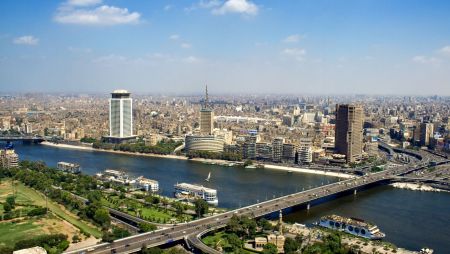
Cairo City – The Beating Heart of Egypt
Cairo City is Egypt’s capital and largest metropolis, located along the Nile River. Known for its ancient wonders like the Pyramids of Giza and the Egyptian Museum, Cairo blends Pharaonic, Islamic, and Coptic heritage with modern city life.

Khan al-Khalili : The Timeless Heartbeat of Egypt’s Bazaar Culture
This is where modern Cairo meets medieval charm, where every alley has a story, and every shopkeeper holds a piece of Egypt’s heritage. If you want to feel the rhythm of Cairo, Khan al-Khalili is where it beats loudest.
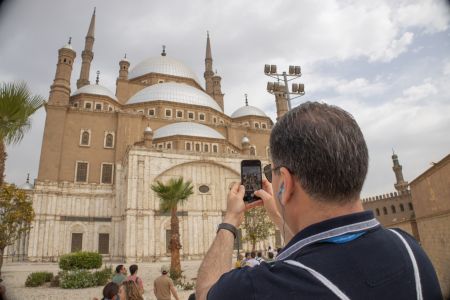
The Alabaster Mosque of Cairo: The Majestic Crown of the Citadel
In a city layered with millennia of history, the Alabaster Mosque remains one of the most powerful expressions of faith, pride, and vision — a must-visit for anyone exploring the rich soul of Egypt.

The Nile River: Lifeblood of Egypt and Africa's Eternal Pulse
The Nile River isn’t just a river—it’s a witness to history, a provider of life, and a force that continues to shape the destiny of Africa. From ancient wonders to modern cities
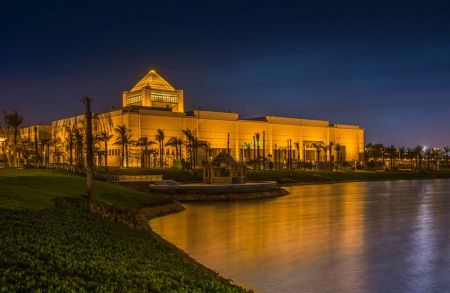
The National Museum of Egyptian Civilization: A Timeless Tribute to Egypt’s Heritage
The National Museum of Egyptian Civilization is not just a treasure trove of artifacts—it’s a bold reimagining of how history should be preserved, shared, and lived. By weaving together the diverse threads of Egypt’s cultural identity,
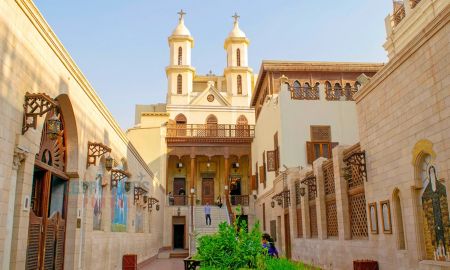
Coptic Cairo: Unveiling the Spiritual Heart of Old Cairo
Coptic Cairo is far more than a tourist attraction—it’s a profound journey into the roots of Egyptian Christianity and the rich layers of Cairo’s multi-faith heritage.
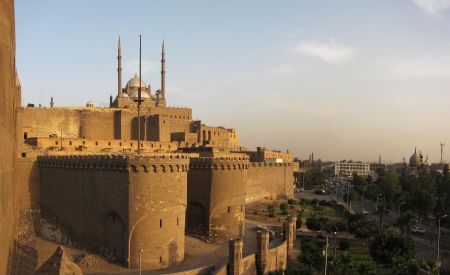
Salah El Din Citadel: Cairo’s Legendary Fortress of Power and Legacy
Salah El Din Citadel is more than stone walls and minarets—it’s a timeless fortress that has defined Egypt’s political and spiritual landscape for centuries.
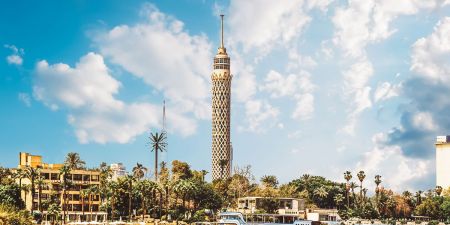
Cairo Tower: Egypt’s Iconic Skyscraper in the Heart of the Capital
The Cairo Tower is more than just a tall structure—it’s a national symbol, an architectural masterpiece, and a cultural experience rolled into one.
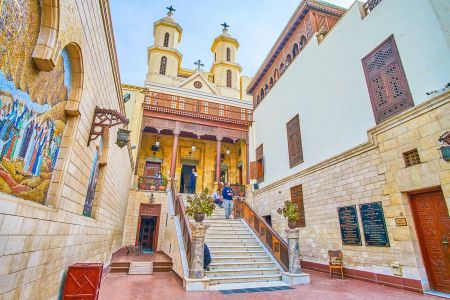
The Hanging Church : A Spiritual Marvel Suspended Over Old Cairo
The Hanging Church is more than just an ancient monument—it’s a living testament to Egypt’s Christian soul and the endurance of faith across centuries. Its elevated position above the Roman ruins reflects not only architectural brilliance but also spiritual triumph.
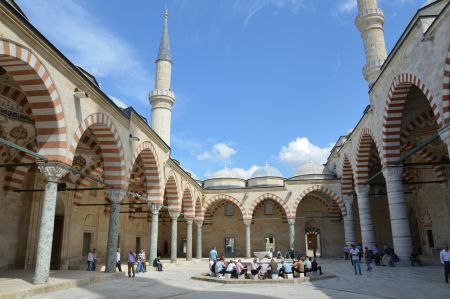
Al Azhar Mosque : Cairo’s Beacon of Islamic Scholarship and Architectural Majesty
Al Azhar Mosque is more than Cairo’s spiritual jewel—it’s the soul of Islamic learning and a timeless testament to faith’s enduring power. For over a thousand years, its walls have echoed the prayers of believers and the thoughts of scholars.
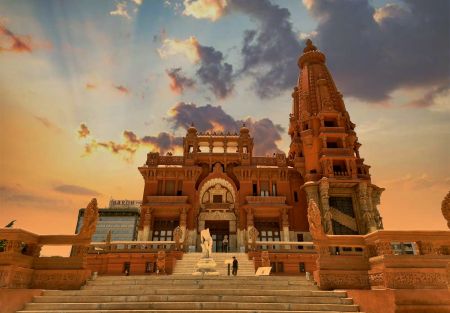
Baron Empain Palace: A Belgian Marvel in the Heart of Heliopolis, Cairo
With its intricately carved sandstone façade, spiral staircases, panoramic tower, and eerie atmosphere, the Baron Empain Palace is no ordinary residence. It’s a time capsule, a statement of cross-cultural elegance, and one of Cairo’s most photogenic and unusual sites.
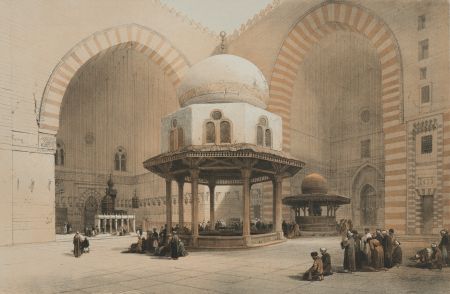
Sultan Hassan Mosque : Cairo’s Monument of Power, Faith, and Architectural Perfection
The Sultan Hassan Mosque is a grand 14th-century Mamluk landmark in Cairo, known for its massive size, stunning architecture, and role as both a mosque and Islamic school.
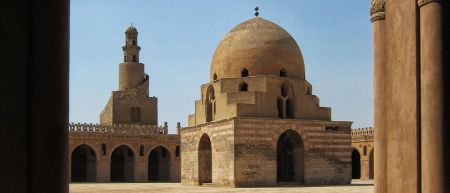
Mosque of Ibn Tulun : Cairo’s Timeless Abbasid Masterpiece
The Mosque of Ibn Tulun is Cairo’s oldest intact mosque, built in the 9th century by Ahmad Ibn Tulun. Known for its vast courtyard and unique spiral minaret, it showcases pure Abbasid architecture and remains a serene, historic gem in the heart of the city.

El Moez Street : Cairo’s Historic Heart of Islamic Heritage and Architectural Splendor
El Moez Street is a historic thoroughfare in Islamic Cairo, famed for its stunning collection of medieval mosques, madrasas, palaces, and markets. It offers a vivid glimpse into Cairo’s Islamic heritage and centuries-old urban life.
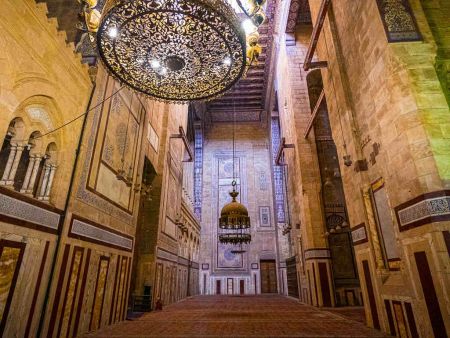
Al Rifai Mosque : A Royal Masterpiece in the Heart of Cairo
Al Rifai Mosque isn’t just another stop on Cairo’s historical trail—it’s a profound reflection of Egypt’s royal lineage, spiritual diversity, and architectural prowess.
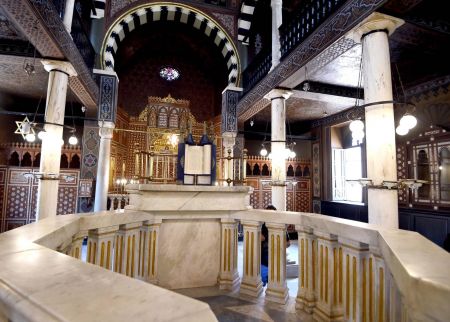
Ben Ezra Synagogue: A Historic Gem in the Heart of Old Cairo
Ben Ezra Synagogue tells a story that few buildings can—a story of migration, worship, community, and scholarly preservation. In a city dominated by mosques and churches, this quiet, beautifully preserved synagogue stands as a bridge across faiths, cultures, and centuries.
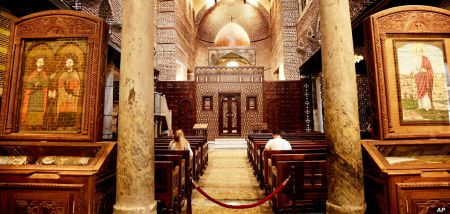
Abu Serga Church
Abu Serga Church is more than an architectural relic; it is a sacred refuge soaked in history, faith, and reverence. As one of the holiest Christian sites in Egypt, it continues to inspire pilgrims, historians, and travelers alike.
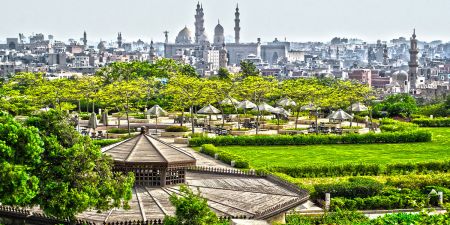
Al Azhar Park : Cairo’s Green Jewel of Culture and Serenity
Al Azhar Park Cairo is far more than a beautifully landscaped garden—it’s a dynamic symbol of cultural revival, urban sustainability, and community renewal.
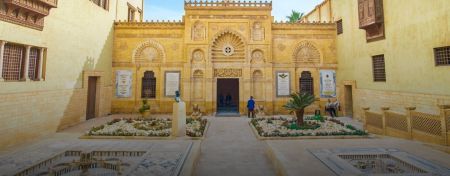
The Coptic Museum
The Coptic Museum is a must-visit for anyone interested in Christian Egyptian art, early Christian history, or the evolution of religious identity in Egypt.
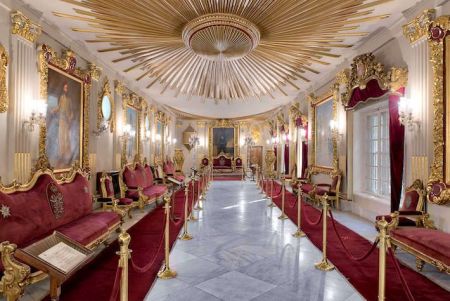
Abdeen Palace : A Royal Legacy in the Heart of Cairo
Abdeen Palace Cairo stands as a living monument to Egypt’s royal past, reflecting the country’s rich political and artistic evolution. Its collection is unmatched, its architecture spellbinding, and its significance deeply rooted in national identity.
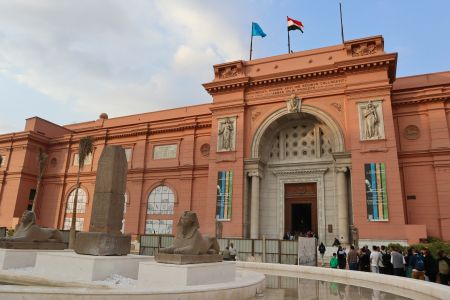
The Egyptian Museum of Cairo: Gateway to Ancient Egypt’s Treasures
A visit to the Egyptian Museum in Cairo is not just a tour through history — it's a spiritual, intellectual, and emotional journey. It brings to life stories carved in stone, written on papyrus, and buried under sand for thousands of years.
Our Partners
Our Awesome Partners