

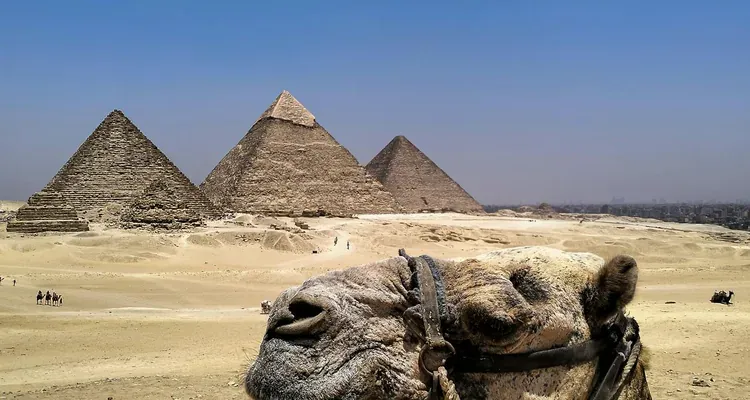
The Egyptian pyramids are ancient royal tombs built as monumental testaments to the power and beliefs of the pharaohs. From the Great Pyramid of Giza to hidden desert pyramids, these iconic structures continue to inspire awe for their scale, engineering, and mysteries. Discover key facts, fascinating history, and essential visitor information about Egypt’s pyramids below.
Key Takeaways
- Egypt has 7 UNESCO World Heritage sites, including the Giza Pyramids, per UNESCO.
- General admission to the Giza Plateau for foreigners is EGP 700, according to the Ministry of Tourism and Antiquities.
- Photography with a mobile phone is free at Ministry sites, but commercial filming requires permission.
- Children under 6, Egyptian seniors 60+, Egyptians with special needs, and orphaned children receive free entry to monuments, with some date restrictions at NMEC.
- The Grand Egyptian Museum houses the Tutankhamun Galleries and requires online advance booking for all tickets.
The Timeless Appeal of Egypt’s Pyramids
Few landmarks on earth rival the pyramids of Egypt for their grandeur, mystery, and historical significance. These ancient stone giants have stood for over 4,500 years, drawing travelers, historians, and explorers to their shadow. The pyramids were constructed as tombs for Egypt’s kings and queens, reflecting the civilization’s beliefs about the afterlife and the divine status of its rulers. Today, they are not only archaeological wonders but also symbols of human ingenuity and endurance.
Planning a trip to see the pyramids is a highlight of any Egypt Day Tours itinerary. Whether you’re interested in the mysteries of construction, the stories of the pharaohs, or the experience of standing before these timeless monuments, the pyramids offer something for every visitor. Their enduring allure has also inspired countless travelers to embark on immersive journeys like the 8 day Cairo and Nile cruise tour, combining ancient wonders with modern luxury.
5 Quick Facts About the Egyptian Pyramids
| Pyramid or Site | Location | Key Fact |
|---|---|---|
| Great Pyramid of Khufu | Giza Plateau | Tallest pyramid in Egypt; built for Pharaoh Khufu, accessible to visitors |
| Step Pyramid of Djoser | Saqqara | Oldest complete stone building complex in history, designed by Imhotep |
| Red Pyramid | Dahshur | First successful smooth-sided pyramid, built by Pharaoh Sneferu |
| Grand Egyptian Museum | Giza | Houses Tutankhamun Galleries; advance online booking required |
| Saqqara Necropolis | South of Cairo | Includes dozens of pyramids and elite tombs from Egypt’s earliest dynasties |
Why Were the Pyramids Built?
The pyramids were constructed as tombs for Egypt’s pharaohs and high officials, reflecting a belief in the afterlife where the king would continue to rule. The pyramid shape symbolized the sun’s rays, connecting the pharaoh with the sun god Ra. Each pyramid was part of a larger mortuary complex, including temples and causeways, designed to ensure the king’s immortality. For a deeper exploration of pyramid symbolism, see The Evolution of Pyramids in Egypt.
The Most Famous Pyramids: Giza and Beyond
The Giza Plateau is home to Egypt’s most celebrated pyramids: the Great Pyramid of Khufu, the Pyramid of Khafre, and the Pyramid of Menkaure. The Great Pyramid, built for Pharaoh Khufu, is the only surviving Wonder of the Ancient World. Visitors can also marvel at the enigmatic Great Sphinx of Giza nearby. For those interested in exploring more, the Giza City area offers a rich tapestry of historical and modern attractions.
Beyond Giza, the Sakkara Necropolis features the Step Pyramid of Djoser, the earliest colossal stone building in Egypt. The Red Pyramid and Bent Pyramid at Dahshur mark the evolution of pyramid construction, while lesser-known sites such as the Abu Rawash Pyramid and the Pyramid of Amenemhat I at Lisht offer off-the-beaten-path discoveries.
How Were the Pyramids Built?
The construction of Egypt’s pyramids remains a subject of fascination and debate. Ancient Egyptians used simple tools, ramps, and vast labor forces to move and set millions of limestone and granite blocks. The Great Pyramid alone consists of an estimated 2.3 million blocks. For a detailed look at the ingenious methods and theories, visit Egyptian Pyramid Construction Techniques Explained.
Can You Go Inside the Pyramids?
Many of Egypt’s pyramids are open for interior visits, including the Great Pyramid of Khufu, the Pyramid of Khafre, and the Red Pyramid. Entry to the interiors typically requires a separate ticket, and visitor numbers may be limited. For up-to-date advice and what to expect, see Can You Go Inside the Pyramids in Egypt?.
Essential Visitor Information: Tickets, Hours, and Tips
All monument ticket prices are published in Egyptian Pounds (EGP), per the Ministry of Tourism and Antiquities. Foreign adult general admission to the Giza Plateau is EGP 700, while students with valid ID (age not exceeding 24) pay EGP 350. At Saqqara, foreign adult general admission is EGP 600, and at Dahshur, it is EGP 200. Children under 6, Egyptian seniors 60+, Egyptians with special needs, and orphaned children receive free entry, with some exceptions at NMEC on weekends and public holidays.
Photography with a mobile phone is free at Ministry sites; however, commercial filming requires advance permission. Card payment is available at Giza self-service machines, but not guaranteed at all sites. Official opening hours and ticket prices are periodically revised, so always check the latest details before visiting.
Comparing Major Pyramid Sites: Giza, Saqqara, Dahshur, and Memphis
| Site | Foreign Adult Ticket | Egyptian Adult Ticket | Opening Hours |
|---|---|---|---|
| Giza Plateau | EGP 700 | EGP 60 | Published times differ between official sources; check before travelling |
| Great Pyramid of Khufu (interior) | EGP 1000 | EGP 100 | Daily 07:00 AM-05:00 PM |
| Saqqara | EGP 600 | EGP 30 | Daily 08:00 AM-04:00 PM; seasonal variations apply |
| Dahshur | EGP 200 | EGP 10 | Daily 08:00 AM-05:00 PM; seasonal variations apply |
| Memphis (Mit Rahina) | EGP 200 | EGP 10 | Summer: 08:00 am-04:00 pm; Ramadan: 09:00 am-03:00 pm |
For a comprehensive itinerary covering these highlights, the Pyramids, Memphis and Saqqara Tour is highly recommended.
Hidden and Lesser-Known Pyramids
While Giza and Saqqara are world-famous, Egypt is home to over 100 pyramids, many tucked away in the desert or partially ruined. Explore rare sites such as the Hawara Pyramid, the Pyramid of Senusret II at El-Lahun, and others featured in Hidden Pyramids in Egypt: A Complete List. These sites offer a unique glimpse into Egypt’s architectural evolution and the ambitions of lesser-known pharaohs.
Visiting the Grand Egyptian Museum
The Grand Egyptian Museum is a must-visit for pyramid enthusiasts. Located near the Giza Plateau at El Remayah Square, the museum houses the world’s largest collection of Egyptian antiquities, including the Tutankhamun Galleries. Advance online booking with a timed entry slot is required for all tickets. Personal photography is permitted except in designated areas within the Tutankhamun Galleries.
Plan Your Pyramid Adventure: Tours and Packages
For a seamless experience, consider curated itineraries such as the 05 Days Egypt Pyramid Tour Package from USA or the 08 Days Pyramids and Nile cruise holidays, which combine luxury with expert-guided exploration. Day trips are also available through Cairo Day Tours, making it easy to include the pyramids in your travel plans.
Frequently Asked Questions about the Pyramids of Egypt
How many pyramids are there in Egypt?
There are over 100 pyramids in Egypt, ranging from the famous Giza trio to smaller, lesser-known structures scattered across the desert.
Which pyramid is the oldest in Egypt?
The Step Pyramid of Djoser at Saqqara is the oldest complete stone building complex in Egypt, built during the 27th century BCE for Pharaoh Djoser.
Can I take photos inside the pyramids?
Photography with a mobile phone is free of charge at Ministry sites, but commercial filming requires prior permission. Some museums and galleries, such as the Tutankhamun Galleries at the Grand Egyptian Museum, have designated no-photography areas.
What are the opening hours for the Giza Plateau?
Published opening hours for the Giza Plateau differ between official sources; travelers should check the latest times before visiting.
Is advance booking required for the Grand Egyptian Museum?
All tickets for the Grand Egyptian Museum must be booked online in advance with a selected entry time slot, and walk-in purchases are not available.