

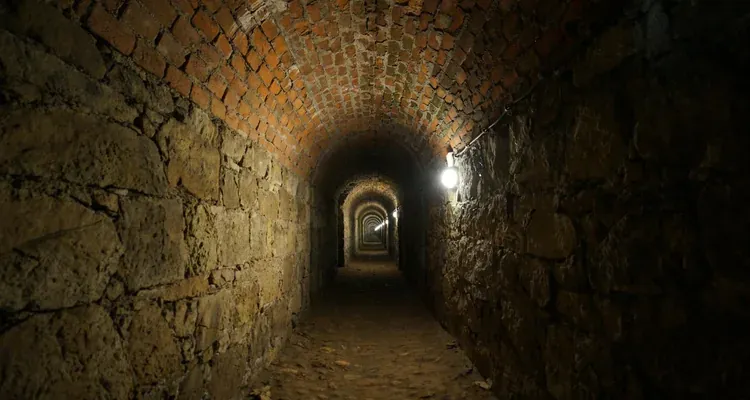
Pyramid Underground Structures Explained: Unlocking the Mysteries Beneath Egypt’s Ancient Monuments
For centuries, the pyramids of Egypt have captivated the imagination of travelers, archaeologists, and historians alike. While the majestic exteriors of these ancient wonders dominate the Giza plateau, it is the enigmatic underground structures that truly hold the secrets of the pharaohs. Descending beneath the surface, you enter a world shaped by ritual, engineering genius, and the eternal quest for immortality. These subterranean chambers, passageways, and hidden corridors reveal a sophisticated civilization whose architectural prowess continues to astonish. Whether you are a seasoned Egyptologist or an intrepid explorer planning your next adventure, understanding the underground world of the pyramids adds a new dimension to your journey. For those dreaming of a luxurious and insightful exploration, delving into these mysteries can transform your trip into a truly unforgettable experience. To enrich your understanding of Egypt’s captivating past, consider reading about Meritamen, the beloved daughter of Ramses II and her remarkable legacy.
Imagine standing at the threshold of a pyramid, feeling the cool air drift from a shadowy entrance. As you step inside, you’re following in the footsteps of priests, architects, and ancient kings. Each underground chamber tells a story—of royal ambition, cosmic beliefs, and ingenious construction. But what exactly lies beneath these monumental tombs? How were these complex spaces designed and what purpose did they serve? In this comprehensive guide, we will unravel the mysteries of pyramid underground structures, from hidden burial chambers to secret passageways, and reveal how these spaces were integral to the ancient Egyptian vision of the afterlife. Along the way, we’ll connect you to immersive travel experiences, such as a Luxury Nile Cruise, that bring the wonders of Egypt within your reach.
The Origins of Pyramid Underground Chambers: From Step Pyramids to True Pyramids
The story of Egypt’s pyramid underground structures begins with the earliest monumental tombs. The Step Pyramid of Djoser at Saqqara, designed by the legendary architect Imhotep, was the first to incorporate a complex network of subterranean rooms. These early chambers were intended to safeguard the pharaoh’s body and treasures, reflecting the ancient belief in an afterlife that required careful preparation. As pyramid construction evolved, so too did the sophistication of their underground spaces. The transition from step pyramids to smooth-sided “true” pyramids, like those at Giza, marked a leap in both architectural ambition and spiritual symbolism. To appreciate the broader context of these innovations, explore the Egypt Family Tours category for curated journeys that delve into the country’s rich heritage.
Architectural Evolution: Securing the Pharaoh’s Journey to Eternity
Early pyramid builders faced the challenge of protecting royal remains from tomb robbers and the ravages of time. Underground chambers were often hidden deep beneath massive stone superstructures, accessible only through narrow, sloping corridors. The Great Pyramid of Khufu, for example, boasts a labyrinthine system of passageways leading to the King’s Chamber, Queen’s Chamber, and the enigmatic Subterranean Chamber carved into the bedrock. This intricate design not only thwarted would-be thieves but also reflected the pharaoh’s spiritual journey into the afterlife. For those fascinated by the intersection of architecture and ancient beliefs, the astronomical alignment of the pyramids offers further insight into the cosmic significance of these underground spaces.
Exploring the Giza Plateau: What Lies Beneath the Pyramids?
The Giza plateau is home to the most iconic pyramids in the world, each concealing a unique network of underground passages and chambers. The Great Pyramid, the Pyramid of Khafre, and the Pyramid of Menkaure all feature subterranean spaces that were meticulously engineered to serve both practical and symbolic purposes. The underground world of Giza is a testament to the ingenuity and ambition of ancient Egyptian builders. If you wish to experience the grandeur of this site firsthand, a visit to Giza City is an essential addition to your itinerary.
The Subterranean Chamber: A Mysterious Purpose
One of the most intriguing features of the Great Pyramid is its Subterranean Chamber, located deep within the bedrock. Unlike the more elaborate King’s and Queen’s Chambers, this room is unfinished and its purpose remains a topic of debate among Egyptologists. Some believe it was intended as an early burial chamber, while others suggest it served as a symbolic gateway to the underworld. The enigmatic nature of this chamber continues to inspire curiosity and speculation, drawing visitors from around the globe. For those eager to uncover more about Egypt’s hidden wonders, consider a day tour in Aswan to explore other monumental sites and their subterranean secrets.
Passageways and Shafts: Engineering Marvels
The underground structures of the pyramids are not limited to chambers alone. A series of ascending and descending passageways, ventilation shafts, and hidden corridors connect different parts of the tomb. These features served multiple purposes: facilitating the construction process, enabling rituals, and providing symbolic links between the earthly realm and the heavens. The precision with which these passages were carved is a testament to the skill of ancient Egyptian engineers. For a deeper appreciation of their achievements, explore the story of Thutmose III, Egypt’s Warrior Pharaoh, whose reign was marked by architectural and military brilliance.
Rituals and Symbolism: The Spiritual Significance of Underground Chambers
In ancient Egyptian cosmology, the journey to the afterlife was fraught with challenges and perils. The underground chambers of the pyramids were designed to ensure the safe passage of the pharaoh’s soul, providing a sacred space for rituals and offerings. Walls were often inscribed with spells, prayers, and scenes depicting the king’s journey through the underworld. These texts, known as Pyramid Texts, were among the earliest religious writings in history. For travelers interested in the spiritual dimension of Egypt’s monuments, a visit to the Temple of Seti offers a profound glimpse into ancient beliefs and funerary practices.
The Role of the Afterlife in Pyramid Design
The design of pyramid underground structures was intimately connected to the Egyptian concept of the afterlife. The placement of burial chambers, the orientation of passageways, and the inclusion of magical texts all served to guide and protect the king’s spirit. These architectural choices reflected a worldview in which death was not an end, but a transformation—a passage to eternity. To fully grasp this perspective, immerse yourself in the legend of Osiris and Isis, the mythological foundation of ancient Egyptian funerary rites.
Hidden Treasures and Modern Discoveries: Archaeology Beneath the Pyramids
Despite centuries of exploration, the underground world of the pyramids continues to yield new discoveries. Modern technology, including ground-penetrating radar and 3D mapping, has revealed previously unknown voids and hidden chambers. These findings have reignited debates about the true purpose of certain spaces and the possibility of undiscovered treasures. For those with a passion for archaeology, the Tomb of Ramses VI offers a striking example of how underground tombs can illuminate our understanding of ancient Egypt.
Recent Breakthroughs: Technology Meets Tradition
In recent years, international teams of archaeologists have used cutting-edge tools to explore the depths of Egypt’s pyramids. The discovery of new chambers and passageways has challenged long-held assumptions and opened fresh avenues of research. These breakthroughs underscore the enduring allure of the pyramids and the potential for future revelations. For a taste of modern luxury amid ancient wonders, consider the Mövenpick MS Royal Lily Nile Cruise, which offers an elegant way to explore Egypt’s archaeological treasures.
Beyond the Pyramids: Other Notable Underground Structures in Egypt
While the pyramids are the most famous examples, Egypt is home to a wealth of other underground marvels. From the rock-cut tombs of the Valley of the Kings to the sprawling catacombs of Alexandria, these subterranean spaces offer a fascinating glimpse into the country’s diverse history. The Serapeum of Alexandria, for instance, is an extraordinary underground temple complex that once housed the sacred Apis bulls. Exploring these sites broadens your appreciation for Egypt’s architectural and cultural achievements.
Unique Experiences: Combining Heritage and Adventure
Travelers seeking a truly immersive experience can combine visits to underground sites with other iconic attractions. Whether you’re tracing the footsteps of ancient priests or marveling at the artistry of royal tombs, Egypt offers endless opportunities for discovery. For a seamless and luxurious exploration, consider the 12 Days Trip to Egypt and Jordan, which blends history, culture, and adventure across two legendary destinations.
Planning Your Journey: How to Explore Pyramid Underground Structures in Style
Visiting the underground chambers of Egypt’s pyramids is a once-in-a-lifetime experience that deserves careful planning. Many sites require special permits or guided tours to access restricted areas. Partnering with a reputable travel company ensures you enjoy exclusive access, expert insights, and personalized service. For families, the 10 Days Egypt and Jordan Tours with Nile Cruise offers a perfect blend of education and adventure for all ages.
Luxury and Comfort: Elevating Your Experience
Luxury travel in Egypt means more than just five-star hotels—it’s about crafting unforgettable moments. Imagine descending into a pyramid’s heart with a private guide, followed by a sunset cruise along the Nile. The 4 Day 3 Night Nile Cruise from Aswan to Luxor is an ideal way to experience the country’s wonders in comfort and style, with curated excursions to both famous and hidden sites.
Insider Tips: Making the Most of Your Egypt Adventure
To truly appreciate the complexity and beauty of pyramid underground structures, it helps to come prepared. Study the history, read up on recent discoveries, and consult with experienced guides. Don’t miss the chance to enhance your experience with visits to museums, temples, and local markets. For a unique perspective, learn about ancient Egyptian makeup rituals, which played a significant role in funerary traditions and daily life.
Combining Destinations: The Ultimate Egypt and Jordan Itinerary
For those who crave a grand adventure, combining Egypt with neighboring Jordan creates an itinerary rich in history, culture, and breathtaking landscapes. The Egypt and Jordan Itinerary 7 Days is perfect for travelers who want to experience the highlights of both countries, from the pyramids and Petra to the Nile and the Dead Sea.
Conclusion: Unlocking the Secrets of Pyramid Underground Structures
The underground structures of Egypt’s pyramids are more than architectural marvels—they are portals to a lost world, echoing with the hopes, fears, and beliefs of an ancient civilization. Exploring these spaces is an invitation to witness the genius of the pharaohs and the enduring allure of Egypt’s mysteries. As you plan your journey, consider how each chamber, passageway, and hidden door adds depth to your understanding of this extraordinary land. For those who seek both luxury and discovery, Egypt offers an unparalleled adventure. To round out your exploration, don’t miss the chance to discover why exploring national parks in Egypt can further enrich your travel experience and connect you to the country’s diverse natural wonders.