

Mexican vs Egyptian Pyramids: Aztec Comparison and the Secrets of Ancient Civilizations
Across continents and centuries, the pyramids of Egypt and Mexico stand as enduring icons of human ingenuity, spiritual vision, and cultural power. Both the Egyptian pyramids—most famously at Giza—and the Mexican pyramids, including those built by the Aztecs and earlier civilizations, have captivated travelers, historians, and dreamers for generations. Yet, beyond their imposing silhouettes, these ancient structures tell two very different stories about the societies that built them. If you’re planning a journey to explore the wonders of the world, understanding the contrasts and connections between these awe-inspiring monuments will deepen your appreciation for both. As you immerse yourself in the mysteries of the pyramids, you’ll discover how their construction, symbolism, and legacy reflect the ambitions and beliefs of their creators, and why they remain must-visit destinations for luxury travelers. Whether you’re dreaming of a Nile cruise past ancient temples or a guided tour through the jungles of Mexico, this guide will help you choose your next adventure. For those seeking more insight into the legends that shaped Egypt, explore The Legend of Osiris and Isis to uncover the mythic roots behind the pyramids’ enduring allure.
Travelers often ask: What makes the pyramids of Egypt and Mexico so different, and what do they share? Is their grandeur a product of shared technology, or the unique vision of separate civilizations? This article takes you on a journey through time, comparing the Egyptian and Mexican pyramids—especially those of the Aztecs—revealing their construction secrets, cultural purposes, and the best ways to experience their majesty today. For those inspired to explore Egypt’s treasures firsthand, consider the exclusive Egypt Travel Packages that promise an unforgettable journey into the heart of antiquity.
Origins and Purposes: The Foundations of Egyptian and Mexican Pyramids
The story of the pyramids begins with the ambitions of ancient rulers and priests, who sought to bridge the earthly and the divine. Egyptian pyramids, most notably those at Giza, were constructed as monumental tombs for pharaohs, intended to secure their passage into the afterlife. The oldest among them, the Step Pyramid of Djoser at Saqqara, set the template for centuries of royal burial architecture. In contrast, the pyramids of Mexico—built by the Maya, the Aztecs, and earlier civilizations such as the Teotihuacanos—served as temples for religious ceremonies, sacrifices, and astronomical observations. The Pyramid of the Sun at Teotihuacan and the Templo Mayor in the Aztec capital of Tenochtitlán were centers of spiritual and civic life, rather than burial sites. For a deeper understanding of how ancient beliefs shaped monumental architecture, discover the key differences between pyramids in Sudan and Egypt and how each culture’s worldview influenced their construction.
Egyptian Pyramids: Tombs for Eternity
Egypt’s pyramids were designed as eternal homes for the pharaohs and their treasures. The precise alignment of the pyramids with celestial bodies reflected the Egyptians’ belief in the afterlife and their desire for cosmic harmony. Each stone was laid with mathematical precision, and the interiors were filled with passages, chambers, and hieroglyphic inscriptions. The Great Pyramid of Khufu, the largest and most famous, remains one of the Seven Wonders of the Ancient World. To experience the grandeur of ancient Egypt firsthand, consider a journey to the Abu Simbel Temples, where colossal statues and intricate carvings reveal the spiritual ambitions of the pharaohs.
Mexican Pyramids: Temples of the Gods
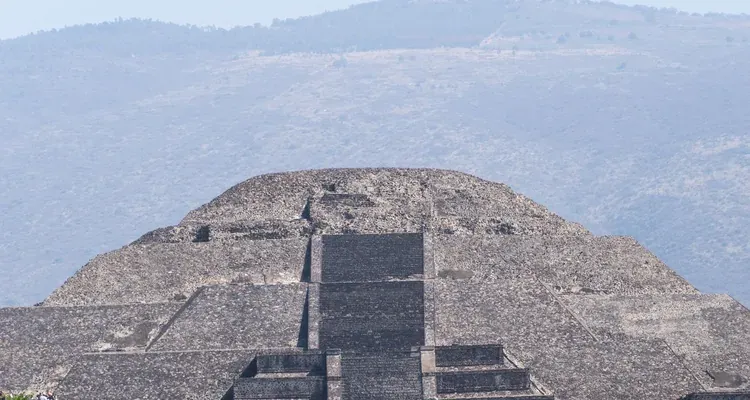
In contrast, Mexican pyramids were built as platforms for temples, altars, and ceremonial rituals. The iconic stepped design, seen at the Pyramid of the Sun and the Pyramid of the Moon in Teotihuacan, allowed priests and rulers to ascend toward the heavens during religious festivals. The Aztecs, inheriting the traditions of earlier civilizations, constructed the Templo Mayor at the heart of their capital, a site of human sacrifice and cosmic renewal. These pyramids were living centers of worship, their stones echoing with prayers and offerings to the gods. For travelers interested in the intersection of ancient engineering and mythology, delve into the reasons to explore national parks in Egypt, where sacred landscapes and archaeological sites intertwine.
Architectural Marvels: Construction Techniques and Styles Compared
The construction of the pyramids in Egypt and Mexico required not only vast resources but also remarkable ingenuity. Egyptian pyramids are characterized by smooth, angled sides and limestone casing, rising in geometric perfection from the desert sands. Their interiors are labyrinthine, designed to protect the pharaoh’s remains and treasures from tomb robbers. In contrast, Mexican pyramids are stepped, with broad platforms and stairways leading to summit temples. Built from local volcanic stone and covered with brightly painted stucco, they were intended to be seen from afar, dominating the cityscapes around them. For travelers seeking expert guidance on exploring these wonders, consult trusted tour operators in Egypt to ensure a seamless and enriching experience.
Engineering Feats: How the Pyramids Were Built
Egyptian builders employed massive labor forces, ingenious ramps, and precise surveying tools to achieve their monumental constructions. The logistics of quarrying, transporting, and lifting multi-ton stones continue to fascinate archaeologists and engineers alike. In Mexico, builders used a combination of earth, stone, and mortar, creating structures that could be expanded and renovated over generations. The result: pyramids that grew with the city, evolving alongside the society that revered them. For those eager to witness the legacy of Egyptian engineering, a visit to Elephantine Island offers a unique perspective on ancient construction and daily life along the Nile.
Symbolism and Decoration: Messages in Stone
Both Egyptian and Mexican pyramids were adorned with symbolic art. Egyptian pyramids featured hieroglyphs, statues, and reliefs depicting gods, pharaohs, and scenes from the Book of the Dead. These decorations were not merely ornamental—they were believed to ensure the pharaoh’s immortality. In Mexico, pyramid facades were covered in vibrant murals, sculpted masks, and reliefs depicting deities, warriors, and mythological creatures. The interplay of color, light, and shadow turned each pyramid into a stage for cosmic drama. For a glimpse into the artistic splendor of ancient Egypt, don’t miss the Luxor Temple, where masterful carvings and grand colonnades evoke the golden age of the pharaohs.
Cultural and Spiritual Significance: The Heart of Two Civilizations
Beyond their architectural brilliance, the pyramids of Egypt and Mexico served as focal points for religious, social, and political life. In Egypt, the pyramids were inseparable from the cult of the pharaoh, who was regarded as a god on earth. The annual flooding of the Nile and the cycles of the stars were woven into the rituals performed at these sacred sites. In Mexico, the pyramids were the settings for elaborate festivals, sacrifices, and astronomical observations that governed the agricultural calendar and affirmed the power of the ruling elite. To immerse yourself in the spiritual heritage of Egypt, consider a 07 Days Luxury Egypt Trip that includes private tours of ancient temples and expert-led explorations of pyramid sites.
Rituals and Festivals: Life Around the Pyramids
Both civilizations organized grand processions, offerings, and rituals around their pyramids. In Egypt, festivals such as the Opet and Sed ceremonies reinforced the divine authority of the pharaoh. In Mexico, the Aztecs celebrated the New Fire Ceremony atop their pyramids, marking the renewal of the world every 52 years. These events drew thousands of participants and shaped the rhythms of daily life. For travelers who wish to witness the living traditions of Egypt, a Luxor day trip from Aswan offers a chance to experience the vibrant culture that still thrives around ancient monuments.
Mythology and Astronomy: Aligning with the Cosmos
The pyramids were more than stone structures—they were cosmic instruments. Egyptian architects aligned their pyramids with the cardinal points and key stars, reflecting the pharaoh’s journey through the afterlife. In Mexico, the orientation of pyramids often matched the movements of the sun, moon, and planets, serving as giant calendars and observatories. The Pyramid of Kukulcán at Chichén Itzá, for example, creates a serpent-shaped shadow during the equinox, dramatizing the descent of the feathered serpent god. For those enchanted by the fusion of myth and science, the Steigenberger Legacy Nile Cruise offers curated excursions to sites where ancient Egyptians mapped the heavens.
Modern-Day Exploration: Visiting the Pyramids in Luxury
Today, the pyramids of Egypt and Mexico draw millions of visitors each year, each seeking to touch the past and unlock its mysteries. For the discerning traveler, a luxury journey to these ancient sites offers not just comfort and exclusivity, but also access to expert guides, private tours, and behind-the-scenes experiences. In Egypt, combine your pyramid adventure with a cruise along the Nile, stopping at legendary sites such as the Temple of Hatshepsut, where history comes alive amid soaring cliffs and serene courtyards.
Choosing Your Experience: Egypt, Mexico, or Both?
Whether you are drawn to the timeless majesty of the Giza Plateau or the vibrant energy of Teotihuacan, each destination offers a unique window into the ancient world. In Egypt, a 06 Days Cairo to Luxor Tour provides seamless access to the pyramids, tombs, and temples that define the country’s heritage. In Mexico, guided tours reveal the secrets of the Aztec and Maya pyramids, from hidden chambers to panoramic vistas. For those seeking a truly epic journey, explore Egypt and Dubai Tours for a blend of ancient wonders and modern luxury.
Expert Tips for the Ultimate Pyramid Adventure
Planning a visit to the pyramids requires insider knowledge and careful preparation. Choose reputable guides, prioritize early-morning visits to avoid crowds, and consider private tours for exclusive access. In Egypt, luxury travel agents can arrange personalized itineraries that include not only the pyramids but also hidden gems and VIP experiences. For practical advice and inspiration, read Egypt Trip Travel Agent Tips to make the most of your adventure.
Legacy and Inspiration: The Enduring Allure of the Pyramids
The pyramids of Egypt and Mexico are more than relics of the past—they are living symbols of human aspiration, creativity, and the quest for meaning. Their enduring presence inspires artists, writers, and travelers from every corner of the globe. As you stand before these ancient monuments, you become part of a story that spans millennia, connecting you to the dreams and achievements of civilizations long vanished yet never forgotten. For those who want to experience the full sweep of Egypt’s history, the 09 Days Egypt and Nubia Tour offers a comprehensive exploration of the country’s most iconic sites.
Beyond the Pyramids: Exploring Egypt’s Timeless Wonders
While the pyramids are the crown jewels of Egypt, the country’s allure extends far beyond Giza. Discover the magic of ancient temples, vibrant markets, and scenic landscapes along the Nile. Aboard the Steigenberger Minerva Nile Cruise, you can glide past lush riverbanks and timeless villages, stepping ashore to explore archaeological treasures at every stop. For those seeking the ultimate in comfort and discovery, Egypt’s luxury travel scene offers unparalleled experiences tailored to your interests.
Conclusion: Choosing Your Pyramid Journey
Whether you’re captivated by the eternal sands of Egypt or the lush jungles of Mexico, the pyramids offer more than just breathtaking views—they invite you to step into the heart of human history. Each stone, each legend, and each ritual echoes with the hopes and dreams of ancient peoples. As you plan your own adventure, let the contrasts and connections between the Mexican and Egyptian pyramids inspire your journey. For personalized recommendations and expert support, explore the best Cairo top travel companies to craft your perfect itinerary and unlock the secrets of the ancient world in style.