

Explore Tell El Amarna in Egypt, the ancient capital of Pharaoh Akhenaten, featuring royal tombs, temples, and unique art that reveal a revolutionary era.
Luxor Temple : The Heartbeat of Ancient Thebes
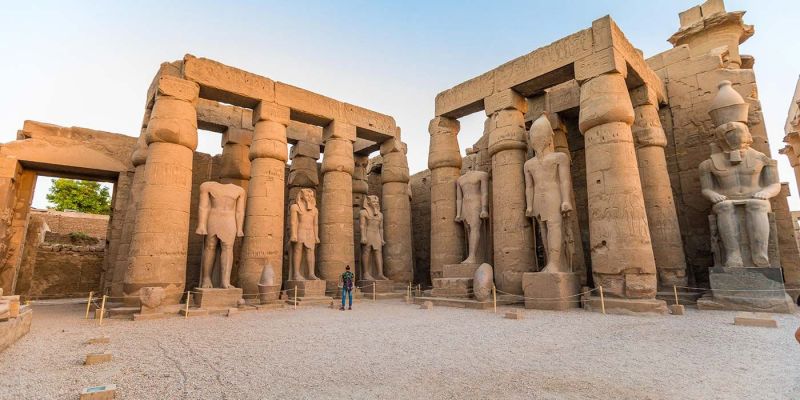
In the heart of modern-day Luxor, nestled along the eastern bank of the Nile, stands the majestic Luxor Temple, one of the most captivating relics of ancient Egypt. Unlike many temples built solely to honor gods, Luxor Temple was constructed to celebrate royal power, divine birth, and the living pharaoh’s connection with the gods. This 3,400-year-old sanctuary once formed the sacred nucleus of Thebes, the ancient capital of Egypt during the New Kingdom. Its location today places it close to incredible sites such as Luxor Museum.
Built primarily under Amenhotep III and later expanded by Tutankhamun, Horemheb, and Ramses II, the temple wasn't just an architectural marvel—it was the spiritual stage for the Opet Festival, a grand religious procession linking Luxor Temple with the Karnak Temple complex via the Avenue of Sphinxes. This wasn't a temple frozen in time but one that lived, breathed, and evolved through dynasties, religions, and empires. Today, it remains a core highlight of Luxor Day Tours.
Even today, Luxor Temple pulses with energy. Illuminated at night, with colossal statues casting long shadows across the ancient stones, the site evokes a mystical beauty that few places on Earth can match. It's not just a ruin—it's a revelation. A journey to Luxor Temple is a journey into the beating heart of Egyptian cosmology, politics, and faith, much like visits to timeless sites such as the Great Pyramids of Giza.
Historical Background of Luxor Temple
Foundation by Amenhotep III: A Temple for the Living King
The construction of Luxor Temple began around 1400 BCE under the reign of Amenhotep III. Unlike other temples focused on funerary rites or veneration of multiple deities, this temple was dedicated to Amun-Ra, the king of the gods, and the divine nature of kingship itself. The spiritual rebirth of the king during the Opet Festival mirrors the symbolism found in sacred sites like Temple of Philae.
Ramses II’s Contributions: Monuments to Might
A century later, Ramses II added a massive pylon, statues, and obelisks to amplify the temple’s grandeur. His architectural legacy resembles the monumental scale seen in structures such as Habu Temple.
Later Additions: A Temple that Bridged Faiths
Luxor Temple evolved through millennia, including additions by Alexander the Great and Roman emperors. Early Christians built churches inside, and the Abu al-Haggag Mosque still operates here today. This blend of cultures is also echoed in historic districts like El Moez Street.
Architectural Features of Luxor Temple
Grand Pylon and Colossi: Ramses II’s Stone Legacy
The monumental pylon, seated statues, and the remaining obelisk once greeted ancient visitors approaching from the Nile. The scale and artistry are comparable to the exceptional monuments of Colossi of Memnon.
The Peristyle Courtyard and Colonnade
The Peristyle Court of Ramses II features double rows of towering papyrus columns, while the Colonnade of Amenhotep III showcases scenes of the Opet Festival. These architectural feats evoke the spiritual ambiance found at elegant sites like Temple of Seti I.
Inner Sanctum and Holy of Holies
Deeper within lies the Sanctuary of Amun, the resting place of the god’s sacred barque. The contrast between bright courts and dark inner chambers reflects the layered spiritual symbolism similar to that found in the Valley of the Kings.
Luxor Temple and the Opet Festival
A Royal Procession of Rebirth and Renewal
The Opet Festival was one of Egypt’s grandest celebrations, where statues of Amun, Mut, and Khonsu traveled from Karnak to Luxor Temple. This sacred journey strengthened the pharaoh’s divine authority. Visitors exploring Egyptian festivals often enjoy learning about cultural customs in Egypt Holidays and Traditions.
The Avenue of Sphinxes: A Sacred Path Reborn
Stretching nearly 3 km, the Avenue of Sphinxes connected Luxor with Karnak. Recently restored, it allows visitors to walk the same ceremonial path once used by gods and kings. The avenue’s magnificence parallels the ancient grandeur of The Serapeum of Alexandria.
Travel at your own pace with Egypt Private Tours.
Religious Transformations Through the Ages
From Egyptian Temple to Christian Church
During the Christian era, parts of Luxor Temple were converted into churches, leaving behind fascinating layered artwork. Visitors interested in religious evolution also enjoy attractions like the Abu Serga Church.
Abu al-Haggag Mosque: A Living Faith Inside Ancient Walls
This functioning mosque, built in the 13th century atop the ancient temple, stands as a testament to Luxor’s living spiritual heritage. Its presence within the ruins reflects the dynamic spirit also seen in Ben Ezra Synagogue.
Visiting Luxor Temple Today
Day or Night: Two Faces of the Temple
Luxor Temple is magnificent during both day and night. At night, dramatic lighting transforms the temple into an ethereal experience. This nighttime beauty echoes the atmosphere described in Egypt at Night.
Best Time to Visit
October to April offers ideal weather. Arriving early or after sunset helps avoid crowds. Travelers planning their visit often benefit from essential tips in Egypt Travel Tips.
Tickets, Guides, and Accessibility
Entrance tickets are available on-site, and English-speaking guides can enhance your understanding of the temple. The site is partially wheelchair accessible. Those exploring beyond Luxor often enjoy combined experiences like Egypt and Jordan Tours.
Frequently Asked Questions About Luxor Temple
What is Luxor Temple famous for?
Luxor Temple is known for its colossal architecture, religious significance, and role in the Opet Festival. Travelers learning about ancient inscriptions often explore places like Hieroglyphics vs Petroglyph.
Who built Luxor Temple?
Primarily Amenhotep III and Ramses II, with additions from Tutankhamun, Alexander the Great, and Roman emperors. Additional royal sites built by Ramses can be explored through Habu Temple.
Is Luxor Temple part of Karnak Temple?
No. They are separate temples connected by the Avenue of Sphinxes. Visitors interested in exploring Egypt’s temple network often consult the Egypt Travel Guide.
Why is one of Luxor Temple’s obelisks in Paris?
One obelisk was gifted to France in 1833 and now stands in Place de la Concorde. Those fascinated by Egyptian artifacts abroad often enjoy reading about King Tutankhamun’s Mask.
Can you visit Luxor Temple at night?
Yes. Night visits are highly recommended. Visitors who love evening attractions also enjoy the peaceful beauty of Wadi El Rayan.
Conclusion: Luxor Temple—A Sacred Bridge Through Time
More than just a relic of ancient glory, Luxor Temple stands as a symbol of continuity. Its layers of history, culture, and belief make it one of Egypt’s most profound spiritual sites. For travelers seeking deeper exploration of Egypt’s wonders, curated journeys such as Luxury Egypt Tours offer unforgettable pathways through the nation’s timeless beauty.
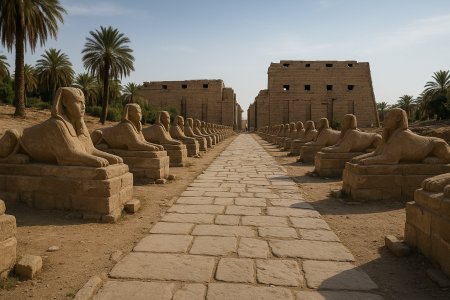
The Avenue of Sphinxes: A Timeless Pathway Through Ancient Thebes
Discover the Avenue of Sphinxes in Luxor, Egypt—a 2.7 km ancient ceremonial road linking Karnak and Luxor Temples. Explore its history, statues, religious significance, and travel tips in this complete guide.
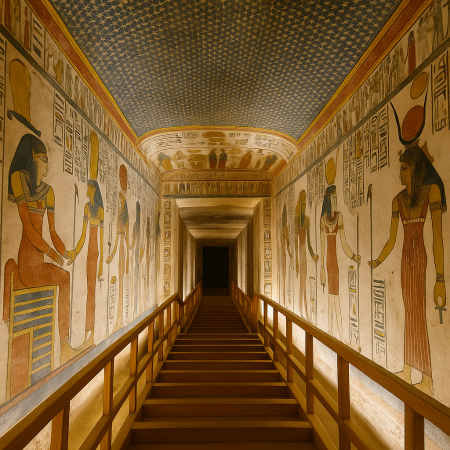
Tomb of Nefertari – A Complete Guide to Egypt’s “Sistine Chapel of Ancient Art”
Explore the Tomb of Nefertari in Luxor’s Valley of the Queens. Learn about its vivid wall paintings, history, architecture, preservation, and visitor tips in this complete guide.

Tomb of Ramses VI: A Masterpiece of Ancient Egyptian Art and Power
Step inside the Tomb of Ramses VI (KV9) in the Valley of the Kings, Luxor. Discover its vivid wall paintings, astronomical ceilings, sarcophagus remains, and why it’s one of Egypt’s most spectacular royal tombs near Karnak Temple, Luxor Temple, and the Temple of Hatshepsut.

The Temple of Seti I: A Journey Through Egypt’s Most Spiritual Monument
Explore the Temple of Seti I in Abydos, Egypt. Discover its mysteries, sacred carvings, and connection to the Valley of the Kings, Karnak Temple, Luxor Temple, and Temple of Hatshepsut.
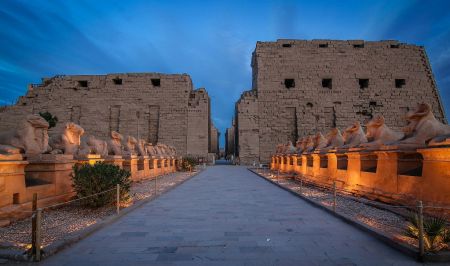
Karnak Temple: The Ancient Wonder of Luxor
Karnak Temple is more than a tourist attraction—it’s a journey through the soul of ancient Egypt.
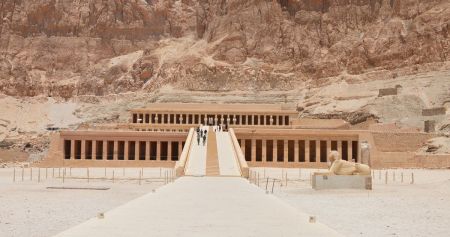
Temple of Hatshepsut
The Temple of Hatshepsut is more than an architectural wonder—it’s a defiant monument to a woman who dared to rule a man’s world.

The Valley of the Kings : Tomb of Pharaohs
The Valley of the Kings is more than a burial ground—it’s a sacred chronicle of ancient Egypt’s vision of the afterlife.

Colossi of Memnon : The Stone Sentinels of Ancient Thebes
The Colossi of Memnon are more than just monumental statues—they are symbols of a civilization that revered its kings as divine, honored art as eternal, and saw death as a passage to a higher realm.
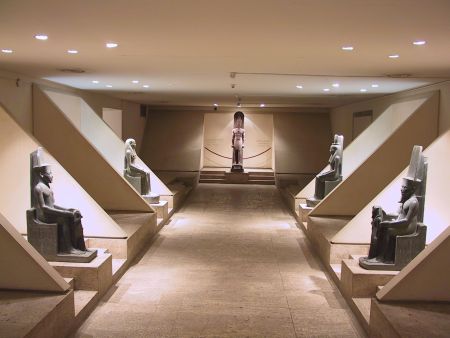
Luxor Museum : Ancient Egyptian Heritage on the Nile’s East Bank
The Luxor Museum distills the essence of Egypt’s imperial splendor into one elegant, unforgettable experience.
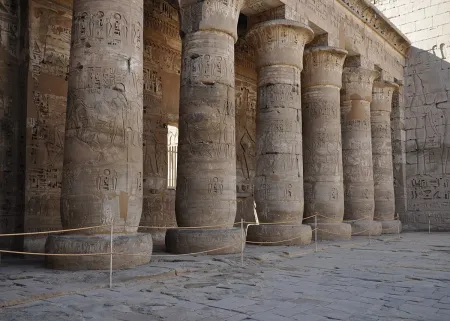
Habu Temple : Egypt’s Pharaonic Power and Artistry
Habu Temple stands as a testament to a great pharaoh, a fading empire, and the enduring splendor of ancient Egyptian civilization.
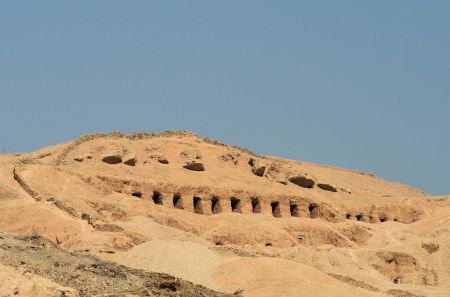
Valley of the Queens:the Eternal Queens of Ancient Egypt
The Valley of the Queens is more than an archaeological site—it’s a tribute to female power, beauty, and eternal life.
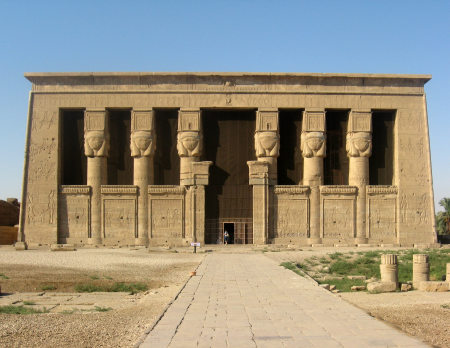
Dandara Temple Complex : The Celestial Sanctuary of Hathor in Upper Egypt
The Dandara Temple Complex is a forgotten jewel that merges myth, astronomy, healing, and beauty into a single monumental experience.
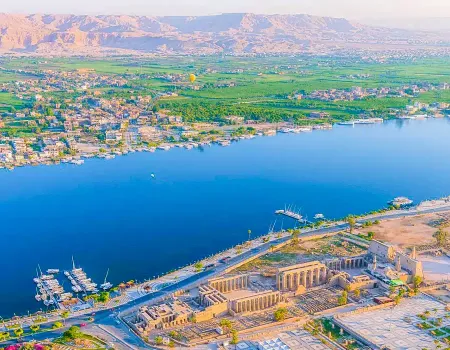
Luxor City : Capital of Ancient Egypt
Luxor City isn’t just a place to visit—it’s a journey through time, etched in stone and brought to life by the Nile’s eternal flow.
Our Partners
Our Awesome Partners