
Unraveling Ancient Secrets: What Are the 7 Steps of Mummification?
The ancient Egyptians believed life continued beyond death, and preserving the body was essential for the soul’s eternal journey. Mummification, a sacred and meticulous ritual, was the key to ensuring immortality. This process wasn’t merely a set of mechanical tasks; it symbolized deep spiritual beliefs, connecting the physical with the divine. Understanding the seven steps of mummification provides a fascinating glimpse into one of history’s most sophisticated funerary practices, reflecting the Egyptians’ unparalleled mastery of anatomy, chemistry, and religious devotion.
Each step of mummification held profound meaning, from purifying the body to performing ceremonies invoking gods like Anubis, the guardian of the dead. Over thousands of years, the process evolved, reaching its pinnacle during the New Kingdom. Temples, like those near The Valley of the Kings, witnessed countless rituals of preservation, ensuring pharaohs and nobles reached the afterlife intact. Even today, studying mummification illuminates ancient Egypt’s scientific brilliance and spiritual complexity. Let’s journey through the seven sacred steps and uncover the remarkable artistry behind eternal preservation.
Step 1: Purification and Cleansing of the Body
The first stage in mummification began with purification, where embalmers washed the deceased’s body with palm wine and water from the Nile River. This wasn’t simply about hygiene—it symbolized spiritual purification, removing earthly impurities before the journey to the afterlife. The Nile’s sacred waters represented life and renewal, making cleansing an act of divine preparation.
Priests, dressed as Anubis, performed chants as they meticulously washed every part. The ritual emphasized respect for the body, believed to be a temporary vessel for the soul. It also marked the transition from mortal existence to divine preservation. This purification echoed Egypt’s deep connection to its natural environment—the same life-giving river that sustained empires also prepared their dead for eternity. Visitors exploring Temple of Philae can still sense the sacred reverence that defined such ancient rites.
Step 2: Removal of the Internal Organs
After purification, embalmers removed internal organs to prevent decay. Using a hook-like instrument inserted through the nose, they extracted the brain—a process remarkably delicate for its time. Contrary to popular myth, the Egyptians didn’t value the brain as we do today; they believed the heart, not the brain, housed intelligence and emotion.
Next, a precise incision in the left side allowed the removal of the liver, lungs, stomach, and intestines. Each organ was carefully cleaned, treated with natron (a natural salt mixture), and placed into canopic jars guarded by the Four Sons of Horus. The heart was left inside, vital for the ‘Weighing of the Heart’ ceremony in the afterlife. The organs’ preservation revealed Egypt’s advanced understanding of decomposition and symbolic association between body and spirit.
Those fascinated by ancient craftsmanship can explore replicas of these canopic jars at the Egyptian Museum of Cairo, where artifacts vividly capture the artistry of funerary traditions.
Step 3: Drying the Body with Natron
Natron, a naturally occurring compound of sodium carbonate and bicarbonate, played a pivotal role in drying the body. Embalmers covered and filled the corpse with natron for 40 days, drawing out moisture while maintaining the body’s shape. This step was both scientific and sacred—a transformation from mortal flesh to an eternal vessel for the soul.
The process symbolized rebirth, mirroring how the desert preserved life through dryness. Over time, the body became leathery but remarkably intact. This desiccation technique allowed mummies to survive millennia, evidence of the Egyptians’ remarkable chemical knowledge. The scent of resins and oils would later mask the harsh natron aroma, merging science and spirituality in perfect harmony.
Modern Egyptologists often compare this preservation to techniques seen in natural mummification found near desert tombs, proving the ancients refined what nature first revealed. Exploring The Grand Egyptian Museum offers insight into how natron’s use revolutionized eternal preservation.
Step 4: Wrapping the Body in Linen
Once dried, the body was anointed with sacred oils and wrapped in fine linen strips, often hundreds of meters long. This step, perhaps the most iconic, represented protection and rebirth. Each layer of linen was accompanied by prayers and amulets placed strategically for divine safeguarding. The wrapping process could take up to two weeks, displaying extraordinary patience and devotion.
Embalmers inserted charms such as the Eye of Horus, scarabs, and miniature gods between layers for protection. The linen itself symbolized purity, while resin sealed the wrappings, making the body watertight. The wrapping ritual blended spirituality with artistry—each motion deliberate, each layer a gesture of love and reverence. The final form mirrored Osiris, the god of rebirth, embodying the eternal cycle of life and death.
Step 5: Placing the Mummy in a Sarcophagus
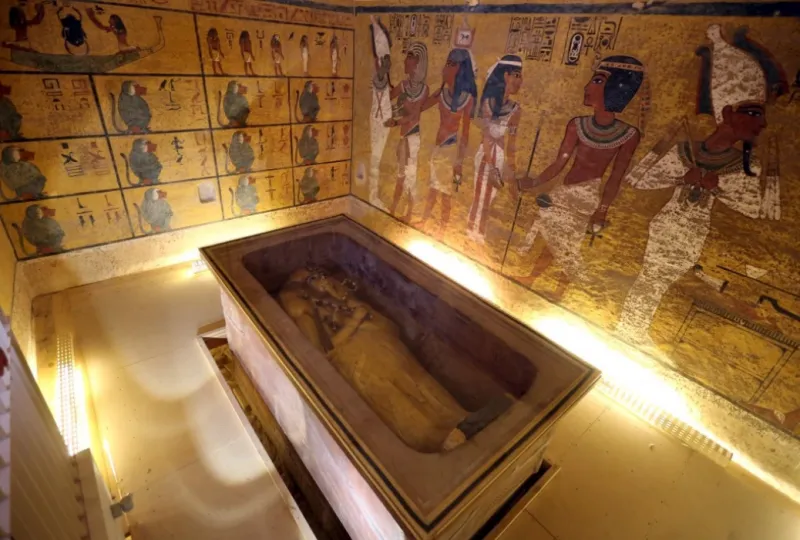
After wrapping, the preserved body was placed in one or more coffins, often nested within a grand sarcophagus. These coffins bore intricate carvings, hieroglyphics, and painted depictions of gods welcoming the deceased into the afterlife. The sarcophagus wasn’t merely a container—it was the soul’s gateway. Its ornate design and protective spells ensured safety during the perilous journey through the underworld.
Wealthy Egyptians commissioned personalized coffins crafted from wood, gold, or even precious stones. The artistry represented the individual’s status and devotion to the gods. Visitors to Temple of Hatshepsut can witness hieroglyphic inscriptions similar to those adorning royal sarcophagi. Every symbol carved onto the coffin carried meaning—each god painted had a role in guiding the spirit beyond the veil of mortality.
Step 6: The Opening of the Mouth Ceremony
Among the final sacred rites, the ‘Opening of the Mouth’ ceremony restored the deceased’s senses for the afterlife. Priests used ceremonial tools to touch the eyes, mouth, and nose, symbolically granting the ability to see, eat, and speak again. This ritual was vital; it ensured the soul could communicate and enjoy offerings left by loved ones.
The ceremony often took place before a statue of the deceased or the mummy itself, accompanied by chants to invoke deities. The ritual connected the spiritual and physical realms, reaffirming that death was not an end but a transformation. It emphasized renewal, reinforcing the promise of eternal life—a belief that sustained Egyptian civilization for over three thousand years.
Those intrigued by ancient rituals can explore such depictions carved on temple walls at Karnak Temple, where priests once performed ceremonies celebrating life’s continuity beyond death.
Step 7: Burial and the Journey to the Afterlife
The final step was the grand burial, an event filled with reverence and ceremony. The mummy, sealed in its sarcophagus, was placed inside the tomb alongside treasures, food, jewelry, and sacred texts like the Book of the Dead. These items served as guides and provisions for the afterlife, ensuring comfort in eternity.
Funeral processions featured mourners, priests, and musicians. Incense wafted through the air as chants echoed prayers to Osiris, Anubis, and Ra. Once the tomb was sealed, it became a microcosm of paradise, representing rebirth in the Field of Reeds. The Egyptians believed if all rituals were performed correctly, the spirit would awaken in the afterlife, vibrant and eternal.
Exploring tombs at Valley of the Queens or Tomb of Ramses VI reveals the majesty of these beliefs frozen in time—murals depicting the soul’s voyage through the afterworld, surrounded by eternal light and divine protection.
The Spiritual Significance of the Seven Steps
The seven steps of mummification symbolize rebirth and purification. Each stage reflected a profound connection between body, soul, and cosmos. Ancient Egyptians viewed death as a transition, not an end, and the mummification process mirrored their cosmic beliefs. The number seven itself held sacred meaning—representing perfection, balance, and divine order.
This sacred art stood as a testimony to Egypt’s advanced civilization. Every priest, embalmer, and artisan played a crucial role in transforming human remains into divine vessels. The precision of these rituals continues to astonish modern historians, inspiring contemporary fascination visible at sites like The Great Pyramids of Giza, where eternal kings rest in majestic silence.
Frequently Asked Questions about the 7 Steps of Mummification
What was the purpose of mummification in ancient Egypt?
Mummification aimed to preserve the body for the afterlife, ensuring the soul could recognize and return to it. Egyptians believed the body was an essential part of spiritual existence. Without preservation, the deceased risked eternal loss of identity and rebirth.
How long did the mummification process take?
The entire mummification process lasted around 70 days—40 days for drying with natron and 30 for wrapping, anointing, and performing rituals. This time frame aligned with symbolic cycles of purification and rebirth, reflecting cosmic rhythms.
What materials were used during mummification?
Common materials included natron, palm wine, myrrh, resin, oils, and linen. Priests also used ceremonial tools during the ‘Opening of the Mouth’ ritual. Each ingredient held symbolic and practical importance in preserving both body and spirit.
Who performed the mummification process?
Specialized embalmers and priests performed mummification. They worked in dedicated workshops near necropolises, guided by sacred texts and rituals. The high priests often took roles embodying gods like Anubis, ensuring divine precision throughout the process.
Where can I see mummies in Egypt today?
Travelers can view authentic mummies in museums across Egypt, including the National Museum of Egyptian Civilization and the Luxor Museum. These exhibits reveal astonishing preservation techniques and the enduring legacy of ancient Egyptian spirituality.
Mummification wasn’t merely a ritual—it was the Egyptians’ declaration of faith in eternity. Understanding the seven steps uncovers their profound wisdom and devotion, bridging the ancient and modern worlds through the timeless quest for immortality.
Explore more: Egypt Student & Educational Tours