

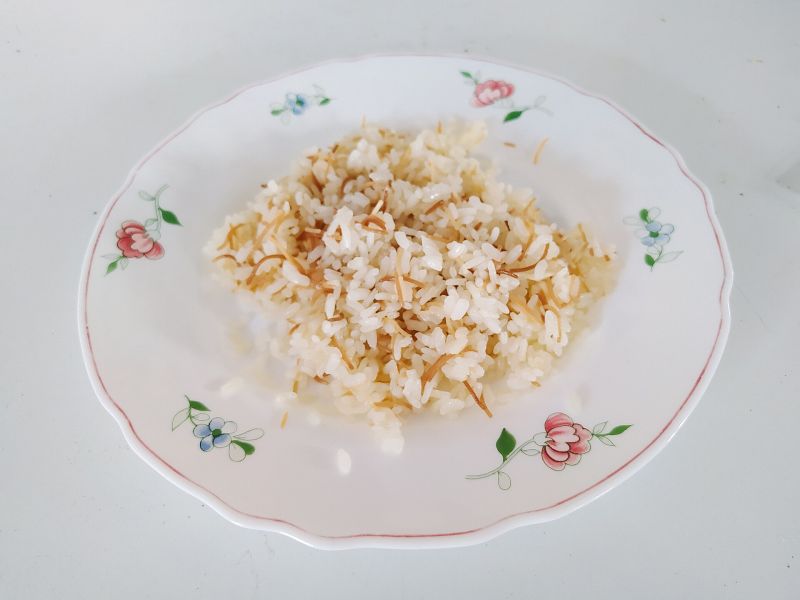
Egyptian rice is celebrated for its short grains, buttery flavor, and perfectly fluffy texture. Achieving authentic Egyptian rice at home requires just a few ingredients, careful rinsing, and precise cooking methods. This guide explains the secrets to making Egyptian rice, including the best rice varieties, essential techniques, and expert tips for consistently delicious results.
Key Takeaways
- Egyptian rice is typically made with short-grain or medium-grain rice, offering a tender and fluffy result.
- Rinsing rice thoroughly removes excess starch and prevents clumping during cooking.
- Cooking Egyptian rice often involves toasting in ghee or butter before simmering in water or broth.
- Classic Egyptian rice pairs perfectly with dishes like hawawshi and grilled meats.
- Popular in homes and restaurants, Egyptian rice is a staple at celebrations and daily meals alike.
The Heart of Egyptian Cuisine: Why Rice Matters
Rice holds a place of honor on Egyptian tables, serving as the foundation for countless meals. Whether enjoyed during a lavish feast or a simple family dinner, its presence is essential. The unique qualities of Egyptian rice—short, plump grains and a delicate flavor—set it apart from the long-grain varieties found elsewhere. For travelers exploring Egypt’s bucket list culinary experiences, tasting authentic rice is a must.
Choosing the Right Rice for Egyptian Recipes
Egyptian rice, known locally as “baladi” rice, is typically a short-grain variety similar to Arborio, but less starchy. Its ability to absorb flavors while remaining fluffy makes it ideal for pilafs and casseroles. When shopping, look for Egyptian, Calrose, or Italian short-grain rice.
Essential Ingredients for Authentic Egyptian Rice
Classic Egyptian rice recipes require only a handful of pantry staples. The most important are quality rice, ghee (clarified butter), water or chicken broth, and salt. Some variations include vermicelli noodles, which are broken and toasted for added texture. For a deeper dive into Egyptian flavors, pair your rice with hawawshi stuffed meat bread or grilled vegetables.
Step-by-Step: The Perfect Fluffy Egyptian Rice Recipe
Follow these steps for flawless, fluffy Egyptian rice every time:
- Measure 1 cup of short-grain rice. Rinse under cold water until the water runs clear to remove excess starch.
- Heat 2 tablespoons of ghee or butter in a heavy-bottomed pot over medium heat. Add a handful of broken vermicelli noodles, if desired, and toast until golden.
- Add the rinsed rice and stir to coat each grain in the fat.
- Pour in 1 1/2 cups of hot water or broth, add salt to taste, and bring to a gentle boil.
- Reduce heat to low, cover tightly, and simmer for 15–18 minutes. Do not lift the lid while cooking.
- Remove from heat and let stand, covered, for 5 minutes. Fluff gently with a fork before serving.
Secrets to Fluffy, Non-Sticky Egyptian Rice
The hallmark of perfect Egyptian rice is its fluffy, separated grains. The key lies in rinsing thoroughly and using the correct water-to-rice ratio. Avoid stirring during cooking, as this can break the grains and create a sticky texture. Letting the rice rest after cooking allows steam to finish the process, ensuring each grain is tender yet distinct.
Egyptian Rice in Everyday and Festive Meals
Egyptian rice is more than a side dish—it’s the centerpiece of many beloved recipes. From molokhia (jute leaf stew) to mahshi (stuffed vegetables), rice is the canvas on which flavors shine. During holidays and family gatherings, rice is often prepared with nuts, raisins, or aromatic spices for a celebratory touch.
Pairing Egyptian Rice with Classic Dishes
Rice complements a wide range of Egyptian favorites. Enjoy it with grilled kebabs, roasted chicken, or vegetarian stews. In coastal towns like Sharm El Sheikh and Nuweiba, rice is often paired with fresh seafood.
Rice Traditions on the Nile
Travelers on a Nile cruise aboard Iris Dahabiya will find Egyptian rice featured in daily menus, reflecting the agricultural riches of the Nile Delta. Chefs often prepare rice with local herbs and seasonal vegetables, offering a fresh perspective on this timeless dish.
Comparing Egyptian Rice to Other Global Varieties
Egyptian rice stands out for its unique texture and flavor profile. Unlike the long, fluffy grains of basmati or jasmine, Egyptian rice is shorter and more absorbent, making it ideal for pilafs and casseroles. The table below highlights the differences between popular rice varieties:
| Rice Variety | Grain Length | Texture | Common Uses | Origin |
|---|---|---|---|---|
| Egyptian Baladi | Short | Fluffy, tender | Pilafs, side dishes | Egypt |
| Basmati | Long | Light, separate | Biryani, pilaf | India/Pakistan |
| Jasmine | Long | Soft, slightly sticky | Thai dishes | Thailand |
| Arborio | Short | Creamy, starchy | Risotto | Italy |
Tips for Serving and Storing Egyptian Rice
Serve Egyptian rice fresh and hot, garnished with toasted nuts or chopped herbs for extra flavor. Leftovers can be stored in an airtight container in the refrigerator for up to three days. Reheat gently with a splash of water to restore moisture.
Where to Experience the Best Egyptian Rice in Egypt
From Cairo’s bustling streets to the tranquil banks of the Nile, Egyptian rice is served everywhere. Luxurious hotels, family-owned restaurants, and even cruise ships offer their own takes on this beloved dish. If you’re combining your culinary journey with sightseeing, consider a visit to the Beni Hassan Tombs or exploring combined tours with Egypt for a truly immersive experience.
Egyptian Rice on Luxury Tours and Cruises
Many luxury travel packages, such as the 15 Days Egypt and Morocco Tour Package or the 14 Days Egypt and Jordan Holiday, include gourmet meals featuring authentic Egyptian rice. Onboard chefs use traditional recipes and local ingredients to delight guests.
Cooking Egyptian Rice at Home: Pro Tips
To master Egyptian rice at home, use a heavy-bottomed pot to prevent burning and keep the lid tightly sealed during cooking. Experiment with adding a cinnamon stick or bay leaf for subtle aroma. For more inspiration on Egyptian cuisine, explore why exploring national parks in Egypt can enhance your culinary adventure.
Frequently Asked Questions About Egyptian Rice
What type of rice is best for Egyptian recipes?
The best rice for Egyptian recipes is short-grain or medium-grain rice—often labeled as Egyptian baladi rice or Calrose—because it produces a fluffy, tender texture ideal for classic dishes.
How do you prevent Egyptian rice from sticking together?
To prevent Egyptian rice from sticking together, rinse it thoroughly under cold water until the water runs clear and avoid stirring during cooking, which can break the grains and increase stickiness.
Can you make Egyptian rice without ghee?
Yes, Egyptian rice can be made without ghee by substituting with unsalted butter or a neutral oil, but ghee offers a richer, more authentic flavor.
What dishes pair well with Egyptian rice?
Egyptian rice pairs well with grilled meats, stews, and vegetable dishes, and is a staple accompaniment to molokhia, mahshi, and seafood specialties found in cities like Sharm El Sheikh and Nuweiba.
Is Egyptian rice gluten-free?
Egyptian rice is naturally gluten-free, but if using vermicelli noodles in the recipe, choose gluten-free noodles to ensure the entire dish remains suitable for gluten-free diets.
Where can I try authentic Egyptian rice during my travels?
Authentic Egyptian rice can be enjoyed at local restaurants, luxury hotels, and on Nile cruises such as the Queen Nefer Dahabiya or Iris Dahabiya, as well as during guided tours and excursions throughout Egypt.
How is Egyptian rice different from other types of rice?
Egyptian rice differs from other types by its short, plump grains and fluffy, tender texture, making it perfect for absorbing flavors and serving as a base for a variety of Egyptian dishes.
Are there any traditional stories or legends connected to rice in Egypt?
While rice itself is not central to Egyptian mythology, the importance of agriculture and the Nile’s bounty is reflected in stories such as the legend of Osiris and Isis, which celebrates the origins of farming and harvest in ancient Egypt.
Can I join a cooking class to learn Egyptian rice recipes?
Many Egypt day tours and luxury travel experiences offer hands-on cooking classes, where travelers can learn to prepare Egyptian rice and other traditional dishes from expert chefs.
Image: El Mono Espanol, CC BY-SA 4.0, via Wikimedia Commons