
Beni Hassan Tombs: The Middle Kingdom’s Timeless Necropolis

Perched dramatically on the eastern bank of the Nile near modern-day Minya, the Beni Hassan Tombs stand as one of Egypt’s most fascinating archaeological wonders. These rock-cut tombs, carved into the cliffs overlooking the vast desert, transport visitors back to the Middle Kingdom, particularly the 11th and 12th Dynasties. They bear silent witness to the lives, beliefs, and social hierarchies of ancient Egyptian governors and nobles who once ruled this stretch of Upper Egypt. The Beni Hassan Tombs are often overshadowed by the grandeur of Giza or Luxor, yet they offer an intimate and authentic glimpse into the golden age of Egyptian provincial life. Walking through their corridors feels like stepping into a living chronicle—each wall, each hieroglyph, narrating stories of valor, devotion, and daily existence along the Nile.
The necropolis of Beni Hassan may not match the colossal pyramids in scale, but its artistic depth and historical significance are unparalleled. The rich wall paintings of wrestling scenes, hunting expeditions, and family gatherings reveal a window into the customs and occupations of ancient Egyptians. The tombs also highlight a shift in architectural style, marking an evolution in funerary art and design during the Middle Kingdom. For travelers seeking to explore Egypt’s off-the-beaten-path heritage, a visit to Beni Hassan is a thrilling expedition into the heart of ancient provincial Egypt. While some combine this site with Egypt Vacation Packages, others find it an essential stop on a journey that bridges history and artistry. Let’s delve deeper into the mysteries that lie within these sacred cliffs.
The Geographic and Historical Setting of Beni Hassan
Located approximately 20 kilometers south of Minya, Beni Hassan overlooks the eastern bank of the Nile, positioning it strategically along one of Egypt’s most vital ancient trade and communication routes. In antiquity, the region formed part of the Oryx Nome, the 16th Nome of Upper Egypt, an area renowned for its prosperity and power. The local governors, or nomarchs, who administered this territory during the Middle Kingdom, commissioned their tombs to be cut into the limestone cliffs—a statement of their prestige and connection to eternity.
The importance of Beni Hassan lies not only in its geography but also in its historical context. The Middle Kingdom (c. 2055–1650 BCE) was a period of political consolidation and cultural renaissance following the turmoil of the First Intermediate Period. It was during this time that local rulers gained prominence, and Beni Hassan became a showcase for their wealth and autonomy. The tombs thus reflect a blend of royal influence and regional identity, offering rare insights into the decentralization of power that characterized this era. Visitors exploring historical routes often pair Beni Hassan with Best Nile River Cruises to experience Egypt’s ancient heartland from both land and water perspectives.
Architectural Splendor: The Design of the Beni Hassan Tombs
The architecture of the Beni Hassan Tombs is a marvel of precision and symbolism. Each tomb is hewn directly from the cliff face, with façades featuring columns influenced by early rock-cut temple architecture. The interiors are often supported by pillars carved from the same limestone, showing an advanced understanding of structural engineering for the period. The most famous tombs—those of Khnumhotep II, Amenemhat, and Baqet III—display exquisite workmanship and a sophisticated use of color.
These structures demonstrate the transitional nature of Middle Kingdom art, merging Old Kingdom traditions with innovative techniques that would later influence New Kingdom designs seen in The Valley of the Kings. Hieroglyphic inscriptions and vivid murals narrate everything from military campaigns to scenes of daily life, blending the personal and political seamlessly. The tombs’ layouts typically consist of a columned hall, a chapel, and a burial shaft—a design meant to guide the deceased’s ka (spirit) toward the afterlife.
The Tomb of Khnumhotep II: A Masterpiece of Middle Kingdom Art
Among the 39 recognized tombs at Beni Hassan, the tomb of Khnumhotep II (BH3) reigns supreme in artistic brilliance. Khnumhotep II served as the nomarch under Pharaoh Amenemhat II and Senusret II, and his tomb is a visual autobiography carved in stone. The paintings inside are remarkably preserved, showcasing scenes of agriculture, hunting, fishing, and the arrival of Asiatic traders—a scene often cited as one of the earliest depictions of foreign interaction in Egyptian art.
What sets this tomb apart is its narrative dynamism. The walls seem to breathe with life—the wrestlers in mid-grapple, the herdsmen guiding their flocks, and the musicians playing harps echo the rhythm of a thriving society. The attention to proportion and perspective marks a leap forward in Egyptian artistry. Tourists exploring this site are often mesmerized by how these ancient murals capture timeless human emotion, making it a must-see stop during Cairo Day Tours or extended cultural expeditions.
Tomb of Amenemhat and Baqet III: Guardians of Local Legacy
The tomb of Amenemhat (BH2) stands as another gem within the necropolis, known for its grand pillars and meticulously detailed reliefs. Amenemhat’s inscriptions detail his achievements, his devotion to the gods, and his loyalty to the pharaoh, serving both as propaganda and personal reflection. Similarly, the tomb of Baqet III (BH15) captures the essence of provincial governance. Its wall paintings, which depict wrestling matches and military drills, are among the most dynamic artistic scenes of the period.
These tombs, though smaller in grandeur than royal monuments, perfectly encapsulate the spirit of the Middle Kingdom’s provincial aristocracy. They reveal a people proud of their identity and accomplishments—a society balancing local power with national unity. Many history enthusiasts planning Luxury Egypt Tours include Beni Hassan to witness how artistry and authority intertwined in a single breathtaking panorama.
Symbolism and Religious Significance of the Tomb Decorations
The symbolism embedded within the Beni Hassan frescoes runs deep. Every color, posture, and hieroglyph carried meaning. The dominant use of red and ochre symbolized vitality and divine energy, while scenes of offering and hunting represented the eternal cycle of life and death. Deities such as Anubis, depicted attending the deceased, emphasized the importance of moral integrity and preparation for the afterlife.
These artistic codes were not mere decoration—they were spiritual tools meant to ensure the tomb owner’s resurrection and eternal harmony in the Field of Reeds. Even today, Egyptologists continue to uncover nuances in these murals, revealing new layers of religious and cultural complexity. Travelers captivated by ancient rituals often compare the Beni Hassan carvings with those at the Temple of Hatshepsut, another masterpiece that blends devotion with architectural genius.
Daily Life in Ancient Egypt through the Lens of Beni Hassan
The Beni Hassan Tombs are more than burial chambers—they’re windows into everyday life thousands of years ago. The scenes of fishing along the Nile, farming with oxen, and training soldiers give an anthropological depth that few other sites can match. One particularly fascinating depiction shows Egyptian wrestlers engaged in various holds, providing historians with insight into ancient sports and physical training.
Such imagery underscores how art functioned as documentation, capturing the rhythm of existence during Egypt’s Middle Kingdom. The joy of work, the reverence for family, and the respect for nature all come alive in pigment and stone. These representations connect seamlessly with modern Egyptian pride in heritage, often celebrated in festivals and exhibitions highlighting Ancient Egyptian Food and traditional crafts.
Modern Exploration and Preservation of Beni Hassan
Preserving the Beni Hassan Tombs has become a mission shared by archaeologists and conservationists worldwide. Given their cliffside location, the tombs are vulnerable to erosion, humidity, and human impact. Modern interventions now utilize digital mapping, laser scanning, and controlled access systems to protect these ancient treasures for future generations.
Eco-friendly tourism initiatives have also been introduced to encourage responsible visitation. Many travelers include Beni Hassan in itineraries that combine cultural exploration with environmental awareness, often through Egypt Private Tours for a tailored, immersive experience. The site’s serene desert setting and sweeping views of the Nile valley make it an ideal destination for photographers and history lovers alike.
Why Visit the Beni Hassan Tombs Today?
Visiting Beni Hassan is like time-traveling into an era when art and faith intertwined seamlessly. Unlike the crowded sites of Cairo and Luxor, this necropolis offers quiet contemplation amid timeless carvings and whispers of history. It’s a destination for those who crave authenticity, untouched beauty, and the thrill of discovery.
Whether part of a broader historical route or combined with scenic journeys like Dahabiya Cruises, Beni Hassan reveals Egypt’s soul beyond the monuments. The artistry carved into limestone here speaks not only of ancient kings and gods but also of human endurance, creativity, and the eternal quest for remembrance.
FAQs about Beni Hassan Tombs
Where are the Beni Hassan Tombs located?
The Beni Hassan Tombs are situated on the eastern bank of the Nile River, near Minya in Middle Egypt, about 260 kilometers south of Cairo. The necropolis overlooks the fertile plains of the Nile and is easily reachable by car or train for visitors interested in exploring Egypt’s lesser-known archaeological treasures.
Who were buried in the Beni Hassan Tombs?
The tombs served as the final resting place for local governors, officials, and nobility of the Oryx Nome during Egypt’s Middle Kingdom. These individuals, known as nomarchs, wielded significant political and economic power, and their tombs reflect their high status and devotion to the gods.
What makes the Beni Hassan Tombs unique compared to other Egyptian sites?
Unlike royal burial sites such as The Great Pyramids of Giza or Luxor Temple, the Beni Hassan Tombs focus on the lives of provincial officials, offering a more personal glimpse into daily life and governance. Their remarkable wall paintings, architectural designs, and inscriptions make them a crucial link in understanding Egypt’s socio-political landscape during the Middle Kingdom.
How many tombs are there at Beni Hassan, and can visitors enter them?
There are around 39 known tombs at Beni Hassan, although only a select few are open to visitors due to conservation efforts. Among the most accessible and visually stunning are the tombs of Khnumhotep II, Baqet III, and Amenemhat. These tombs offer exceptional opportunities to observe ancient Egyptian artistry up close.
When is the best time to visit the Beni Hassan Tombs?
The ideal time to visit is between October and April, when Egypt’s climate is cooler and more comfortable for exploring. Early morning or late afternoon visits provide the best lighting for photography and a more tranquil atmosphere. Many travelers combine their visit with scenic journeys like Luxury Nile Cruises or historical sightseeing tours around Middle Egypt.


Memphis Egypt: The Legendary Ancient Capital of the Pharaohs
Long before modern Cairo rose from the desert sands, Memphis Egypt stood proudly as the beating heart of the ancient world. This magnificent city, once the old Egyptian capital, served as the cradle of civilization, innovation, and divine kingship.

Babylon Fortress: The Timeless Guardian of Old Cairo’s Heritage
Discover Babylon Fortress in Coptic Cairo, a historic Roman stronghold by the Nile. Explore its architecture, Christian heritage, Islamic conquest history, and nearby landmarks like the Hanging Church and Coptic Museum.
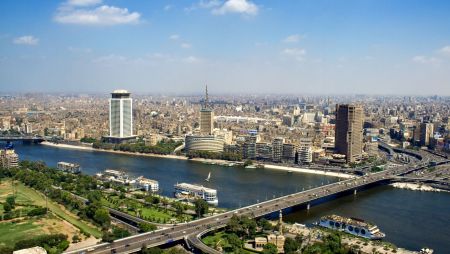
Cairo City – The Beating Heart of Egypt
Cairo City is Egypt’s capital and largest metropolis, located along the Nile River. Known for its ancient wonders like the Pyramids of Giza and the Egyptian Museum, Cairo blends Pharaonic, Islamic, and Coptic heritage with modern city life.

Khan al-Khalili : The Timeless Heartbeat of Egypt’s Bazaar Culture
This is where modern Cairo meets medieval charm, where every alley has a story, and every shopkeeper holds a piece of Egypt’s heritage. If you want to feel the rhythm of Cairo, Khan al-Khalili is where it beats loudest.
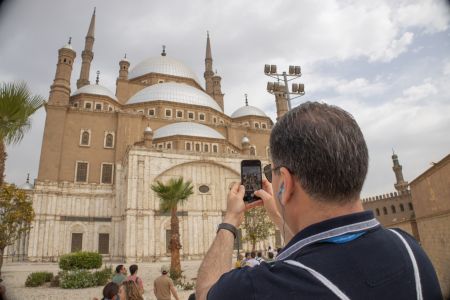
The Alabaster Mosque of Cairo: The Majestic Crown of the Citadel
In a city layered with millennia of history, the Alabaster Mosque remains one of the most powerful expressions of faith, pride, and vision — a must-visit for anyone exploring the rich soul of Egypt.

The Nile River: Lifeblood of Egypt and Africa's Eternal Pulse
The Nile River isn’t just a river—it’s a witness to history, a provider of life, and a force that continues to shape the destiny of Africa. From ancient wonders to modern cities

The National Museum of Egyptian Civilization: A Timeless Tribute to Egypt’s Heritage
The National Museum of Egyptian Civilization is not just a treasure trove of artifacts—it’s a bold reimagining of how history should be preserved, shared, and lived. By weaving together the diverse threads of Egypt’s cultural identity,
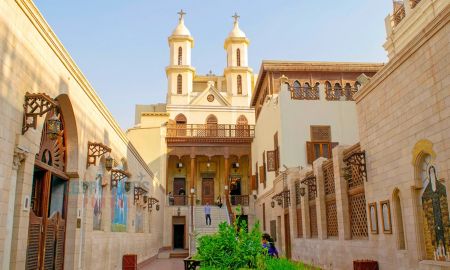
Coptic Cairo: Unveiling the Spiritual Heart of Old Cairo
Coptic Cairo is far more than a tourist attraction—it’s a profound journey into the roots of Egyptian Christianity and the rich layers of Cairo’s multi-faith heritage.
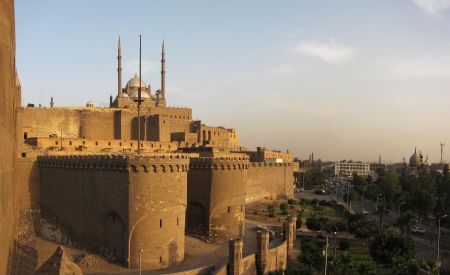
Salah El Din Citadel: Cairo’s Legendary Fortress of Power and Legacy
Salah El Din Citadel is more than stone walls and minarets—it’s a timeless fortress that has defined Egypt’s political and spiritual landscape for centuries.
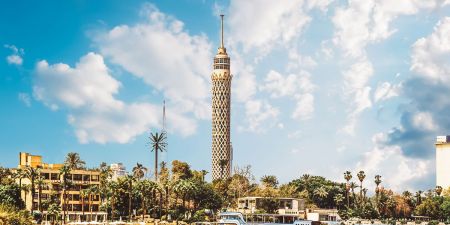
Cairo Tower: Egypt’s Iconic Skyscraper in the Heart of the Capital
The Cairo Tower is more than just a tall structure—it’s a national symbol, an architectural masterpiece, and a cultural experience rolled into one.
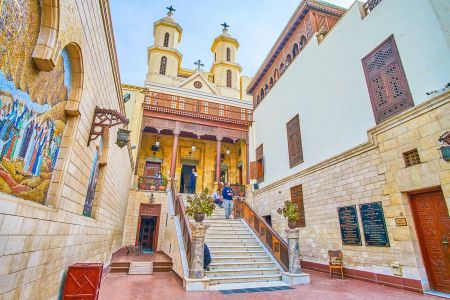
The Hanging Church : A Spiritual Marvel Suspended Over Old Cairo
The Hanging Church is more than just an ancient monument—it’s a living testament to Egypt’s Christian soul and the endurance of faith across centuries. Its elevated position above the Roman ruins reflects not only architectural brilliance but also spiritual triumph.
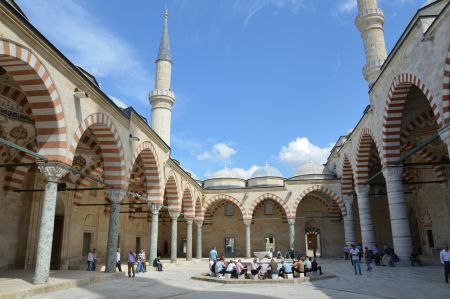
Al Azhar Mosque : Cairo’s Beacon of Islamic Scholarship and Architectural Majesty
Al Azhar Mosque is more than Cairo’s spiritual jewel—it’s the soul of Islamic learning and a timeless testament to faith’s enduring power. For over a thousand years, its walls have echoed the prayers of believers and the thoughts of scholars.
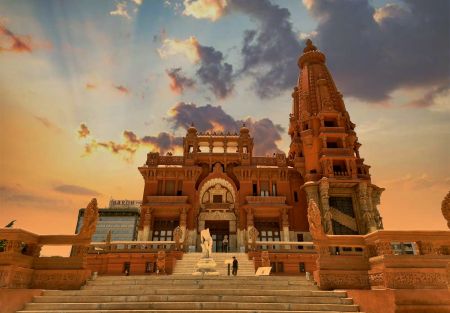
Baron Empain Palace: A Belgian Marvel in the Heart of Heliopolis, Cairo
With its intricately carved sandstone façade, spiral staircases, panoramic tower, and eerie atmosphere, the Baron Empain Palace is no ordinary residence. It’s a time capsule, a statement of cross-cultural elegance, and one of Cairo’s most photogenic and unusual sites.
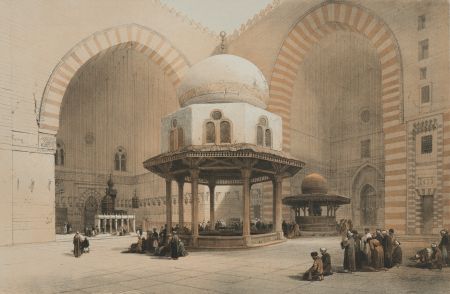
Sultan Hassan Mosque : Cairo’s Monument of Power, Faith, and Architectural Perfection
The Sultan Hassan Mosque is a grand 14th-century Mamluk landmark in Cairo, known for its massive size, stunning architecture, and role as both a mosque and Islamic school.
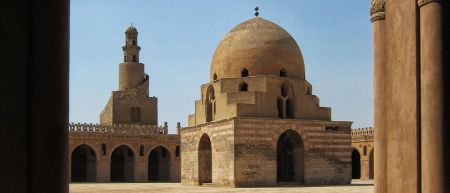
Mosque of Ibn Tulun : Cairo’s Timeless Abbasid Masterpiece
The Mosque of Ibn Tulun is Cairo’s oldest intact mosque, built in the 9th century by Ahmad Ibn Tulun. Known for its vast courtyard and unique spiral minaret, it showcases pure Abbasid architecture and remains a serene, historic gem in the heart of the city.

El Moez Street : Cairo’s Historic Heart of Islamic Heritage and Architectural Splendor
El Moez Street is a historic thoroughfare in Islamic Cairo, famed for its stunning collection of medieval mosques, madrasas, palaces, and markets. It offers a vivid glimpse into Cairo’s Islamic heritage and centuries-old urban life.
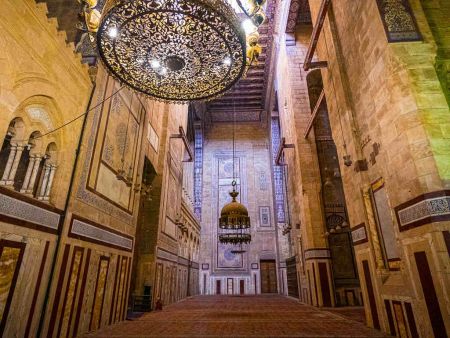
Al Rifai Mosque : A Royal Masterpiece in the Heart of Cairo
Al Rifai Mosque isn’t just another stop on Cairo’s historical trail—it’s a profound reflection of Egypt’s royal lineage, spiritual diversity, and architectural prowess.
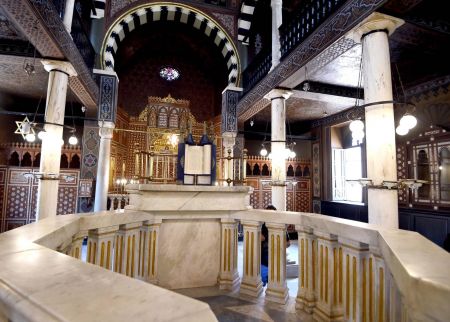
Ben Ezra Synagogue: A Historic Gem in the Heart of Old Cairo
Ben Ezra Synagogue tells a story that few buildings can—a story of migration, worship, community, and scholarly preservation. In a city dominated by mosques and churches, this quiet, beautifully preserved synagogue stands as a bridge across faiths, cultures, and centuries.
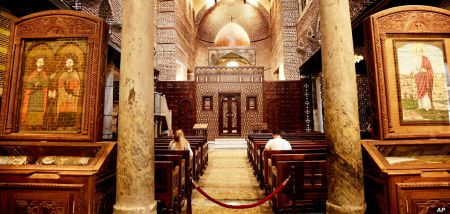
Abu Serga Church
Abu Serga Church is more than an architectural relic; it is a sacred refuge soaked in history, faith, and reverence. As one of the holiest Christian sites in Egypt, it continues to inspire pilgrims, historians, and travelers alike.
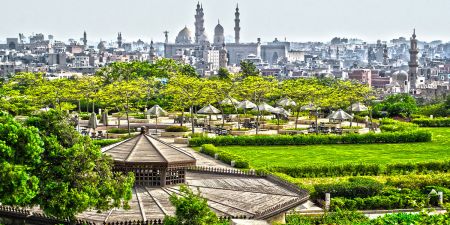
Al Azhar Park : Cairo’s Green Jewel of Culture and Serenity
Al Azhar Park Cairo is far more than a beautifully landscaped garden—it’s a dynamic symbol of cultural revival, urban sustainability, and community renewal.
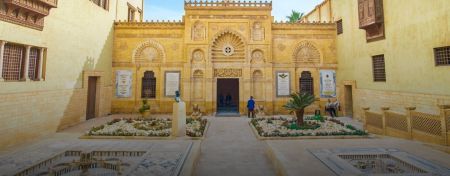
The Coptic Museum
The Coptic Museum is a must-visit for anyone interested in Christian Egyptian art, early Christian history, or the evolution of religious identity in Egypt.
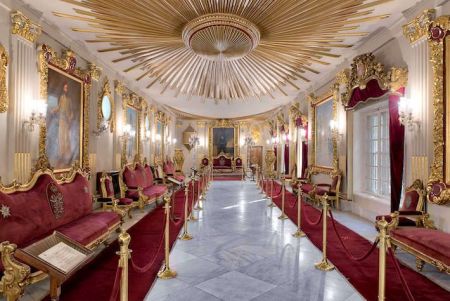
Abdeen Palace : A Royal Legacy in the Heart of Cairo
Abdeen Palace Cairo stands as a living monument to Egypt’s royal past, reflecting the country’s rich political and artistic evolution. Its collection is unmatched, its architecture spellbinding, and its significance deeply rooted in national identity.
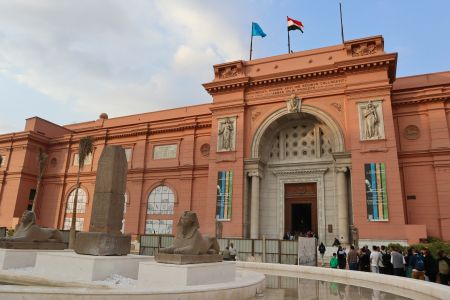
The Egyptian Museum of Cairo: Gateway to Ancient Egypt’s Treasures
A visit to the Egyptian Museum in Cairo is not just a tour through history — it's a spiritual, intellectual, and emotional journey. It brings to life stories carved in stone, written on papyrus, and buried under sand for thousands of years.
Our Partners
Our Awesome Partners