

Ancient Egypt Money: How Egyptians Paid Before Coins
Step back in time to the golden sands and bustling markets of ancient Egypt, where the concept of money as we know it today was yet to be born. Imagine a civilization thriving along the Nile, trading goods and services in a sophisticated economy long before the first metal coin was struck. The story of ancient Egyptian money is not just about barter or trade—it’s a fascinating journey through innovation, culture, and the ingenuity of a people who built one of the world’s most enduring civilizations. As you explore the mysteries of how Egyptians paid before coins, you’ll discover a world where grain, precious metals, and even labor became the currency of daily life. Whether you’re planning your own adventure to Egypt or simply intrigued by its rich past, understanding the roots of its ancient economy adds a new dimension to any journey. For those seeking to immerse themselves in Egypt’s legacy, learning how to plan a trip to Egypt can set the stage for a deeper appreciation of these ancient financial traditions, offering a gateway to the treasures of the past and the vibrant culture of today’s Egypt.
Delving into the world of ancient Egyptian money reveals not only how people exchanged goods and services, but also how their economic systems reflected religious beliefs, social hierarchies, and the rhythms of the Nile. From the bustling temples to the majestic tombs, every corner of this civilization was touched by the unique ways Egyptians valued and transferred wealth. As you read on, you’ll uncover the secrets behind their trade networks, the role of grain banks, and the transition from barter to the first forms of proto-currency. Whether you’re drawn to the allure of ancient markets or the grandeur of pharaonic monuments, this exploration promises to captivate your imagination and inspire your next journey through Egypt’s timeless wonders.
The Foundations of Ancient Egyptian Economy: Barter and Beyond
In the earliest days of Egypt, before the glint of coins ever caught the sun, barter was the heartbeat of commerce. Farmers, artisans, and merchants exchanged goods directly, trading wheat for linen, cattle for pottery, and labor for tools. This system was deeply embedded in daily life, with values carefully negotiated and agreed upon by both parties. The barter system was not only practical but also fostered a sense of community, as people relied on trust and reputation to ensure fair exchanges. Those interested in the broader context of Egypt’s attractions can explore sites like the White Desert of Egypt, where ancient trade routes once crossed, connecting distant regions and peoples.
As Egyptian society grew more complex, so did its economy. Temples and palaces became central hubs of activity, storing surplus grain and organizing large-scale projects. The concept of value began to shift from mere goods to standardized measures, paving the way for more sophisticated forms of payment. This evolution was crucial in supporting the grand ambitions of the pharaohs, whose monuments and tombs still inspire awe today. For travelers seeking to experience the grandeur of ancient Egypt firsthand, the Tomb of Nefertari Luxor offers a glimpse into the opulence that these early economic systems helped create.
Grain as Currency: The Lifeblood of Ancient Egypt
The Nile’s annual flood brought life to Egypt, transforming the desert into fertile fields and making grain the most valuable commodity in the land. Wheat and barley were not just food—they were the backbone of the economy, serving as a universal measure of value and a medium of exchange. Workers were often paid in rations of grain, which could then be traded for other goods or services. This system was so integral that grain banks emerged, storing vast quantities for temples, the state, and private individuals alike. The importance of grain in ancient Egypt mirrors the central role of the Nile itself, which you can experience on a 5 Star Luxury Nile Cruise as you follow the ancient river’s path through history.
Grain’s stability and universal acceptance made it an ideal proto-currency. Prices for goods and services were often quoted in measures of grain, and taxes were collected in the same way. This agricultural wealth enabled the construction of temples, the funding of military campaigns, and the support of a vast bureaucracy. The reliance on grain as money also shaped Egypt’s social and political structures, reinforcing the power of those who controlled its production and distribution. For a deeper understanding of how these systems influenced daily life, consider reading about Egypt Tour Packages that trace the legacy of ancient economic practices across the country.
The Role of Precious Metals and Early Proto-Currency
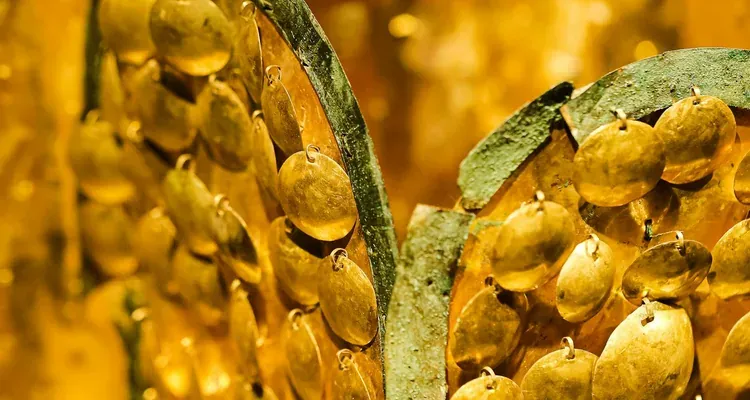
While grain dominated the economy, precious metals such as gold, silver, and copper held a special place in ancient Egyptian society. These metals were not minted into coins, but rather weighed and traded as ingots, rings, or jewelry. Value was determined by weight and purity, with gold especially prized for its association with the gods and the afterlife. Temples amassed vast treasures, and pharaohs were buried with elaborate gold artifacts, symbolizing their wealth and divine status. The importance of precious metals is echoed in the splendor of sites like Montazah Palace, where the legacy of Egypt’s opulence endures.
These early forms of proto-currency facilitated larger and more complex transactions than barter or grain alone could manage. They also enabled trade with neighboring civilizations, as Egyptian gold became highly sought after in the ancient world. The use of metal as a store of value laid the groundwork for the eventual introduction of coins during the late period, when foreign influences began to reshape Egypt’s economy. For those fascinated by the intersection of history and luxury, the Best Luxury Nile River Cruise offers a modern journey through the landscapes that once glittered with ancient wealth.
Labor, Services, and the Value of Work in Ancient Egypt
In addition to goods and metals, labor itself was a vital form of currency in ancient Egypt. The state organized massive workforces for building projects, rewarding workers with food, clothing, and shelter. Skilled artisans, scribes, and priests received higher compensation, reflecting their specialized roles in society. This system fostered a sense of purpose and belonging, as individuals contributed to the glory of their civilization. For families seeking a deeper connection to Egypt’s heritage, the 08 Days Egypt Family Vacation Tour provides an immersive experience that brings these ancient traditions to life.
Labor payments were meticulously recorded, with scribes tracking hours worked and rations distributed. This administrative sophistication ensured fairness and efficiency, supporting the smooth operation of society. The value placed on skilled work is still evident in Egypt’s artistic and architectural masterpieces, which continue to inspire awe in visitors from around the world. To explore these wonders firsthand, consider a Edfu and Kom Ombo Temples Day Tour from Luxor, where the achievements of ancient craftsmen are on full display.
Temples, Bureaucracy, and the Management of Wealth
The temples of ancient Egypt were more than places of worship—they were economic powerhouses, managing vast estates, collecting taxes, and distributing resources. Priests acted as administrators, overseeing the storage and allocation of grain, goods, and labor. This centralized control enabled the state to fund monumental projects and maintain social order. The sophistication of Egypt’s bureaucracy is a testament to the ingenuity of its people, whose legacy endures in the grandeur of their monuments. For those curious about how these systems operated in practice, learning from Local Egypt Tour Operators can provide unique insights into the ancient and modern management of resources.
Record-keeping was essential to the smooth functioning of this economic system. Scribes maintained detailed accounts of transactions, taxes, and inventories, ensuring transparency and accountability. This meticulous documentation laid the foundation for Egypt’s enduring stability and prosperity, allowing the civilization to flourish for millennia. Today, the echoes of this administrative prowess can be found in the organization of modern tours and travel experiences, such as the 08 Days Egypt Tour Package for Family, which offers seamless journeys through Egypt’s most iconic sites.
Trade Networks and International Exchange Before Coins
Egypt’s strategic location at the crossroads of Africa, Asia, and the Mediterranean made it a hub of international trade. Long before coins, Egyptian merchants exchanged grain, papyrus, linen, and precious metals for exotic goods such as incense, timber, and luxury items from distant lands. These trade networks were vital to the prosperity of the kingdom, fostering cultural exchange and diplomatic ties. The sophistication of Egypt’s trade is reflected in the diversity of artifacts found in its tombs and temples, many of which originated far beyond the Nile Valley. For travelers eager to experience the breadth of Egypt’s heritage, Egypt Tours (All Inclusive - From USA) offer curated journeys that connect the past with the present.
International trade required standardized measures and trusted intermediaries, further driving the development of proto-currency and administrative systems. The ability to engage in long-distance commerce contributed to Egypt’s wealth and influence, shaping its destiny for centuries. To explore the natural wonders that once formed the backdrop for these ancient exchanges, consider a visit to Ras Mohammed National Park, where the Red Sea’s vibrant ecosystems have drawn travelers and traders alike for millennia.
The Transition to Coinage: Foreign Influence and Economic Evolution
It was not until the late period, under the influence of foreign powers such as the Persians and Greeks, that coins began to circulate in Egypt. The introduction of coinage marked a significant shift in the economy, providing a convenient and standardized medium of exchange. However, the transition was gradual, with traditional forms of payment remaining in use alongside coins for many years. This blending of old and new reflects Egypt’s ability to adapt while preserving its unique identity. For those interested in exploring this dynamic history, Combined Tours with Egypt offer opportunities to trace the evolution of money and trade across different regions and eras.
The adoption of coins facilitated greater integration with the wider Mediterranean world, opening new avenues for commerce and cultural exchange. Yet, the legacy of Egypt’s pre-coin economy endures, offering valuable lessons in resilience, innovation, and the enduring power of tradition. To delve deeper into the cultural and spiritual dimensions of Egypt’s history, the story of The Legend of Osiris and Isis reveals how myth and money were intertwined in the ancient imagination.
Legacy and Lessons: What Ancient Egypt Teaches Modern Travelers
Understanding how Egyptians paid before coins provides a window into the values, priorities, and ingenuity of one of history’s greatest civilizations. Their reliance on grain, precious metals, and labor as currency reflects a deep connection to the land, a respect for skilled work, and a commitment to communal well-being. These principles continue to inspire travelers today, offering a roadmap for meaningful exploration and cultural appreciation. For those planning a family adventure, the 10 Days Egypt Family Tour Holidays is designed to foster connection, discovery, and lasting memories.
Modern Egypt seamlessly blends ancient traditions with contemporary luxury, inviting visitors to experience the best of both worlds. From the vibrant markets of Cairo to the serene beauty of the Nile, every journey is an opportunity to engage with the living legacy of the pharaohs. To ensure an exceptional travel experience, consult the Best Travel Agency in Egypt, renowned for their expertise and personalized service. Whether you’re drawn to history, adventure, or relaxation, Egypt offers a wealth of experiences for every traveler.
Planning Your Journey: Explore Ancient and Modern Egypt
As you prepare to embark on your Egyptian adventure, consider the many ways in which the country’s ancient economy still shapes its culture and attractions. From the awe-inspiring temples of Luxor to the tranquil gardens of Montazah Palace, every site tells a story of innovation and resilience. For those seeking a deeper connection to nature, discover why you should explore national parks in Egypt, where the landscapes that sustained ancient economies now offer sanctuary to rare wildlife and stunning vistas.
Whether you’re traveling solo, with family, or as part of a group, Egypt’s diverse offerings cater to every interest and passion. To make the most of your visit, explore the array of Egypt tour packages available, each designed to showcase the best of the country’s history, culture, and natural beauty. For families, the 08 Days Egypt Family Vacation Tour offers a perfect blend of adventure and education, while solo travelers may appreciate the expertise of local Egypt tour operators who can tailor experiences to your unique interests.
Conclusion: The Enduring Allure of Ancient Egyptian Money
The story of how Egyptians paid before coins is a testament to human creativity and the enduring power of tradition. From barter and grain to gold and labor, the evolution of money in ancient Egypt reflects the values and aspirations of a civilization that continues to captivate the world. As you explore the wonders of Egypt, let the lessons of the past inspire your journey, guiding you toward new discoveries and unforgettable experiences. For expert guidance and curated adventures, trust the professionals at How to Plan a Trip to Egypt, and embark on a journey that bridges the ancient and the modern in the land of the pharaohs.
See it in person. Explore our Egypt historical tours, or join one of our Luxor day tours or Aswan day tours.