

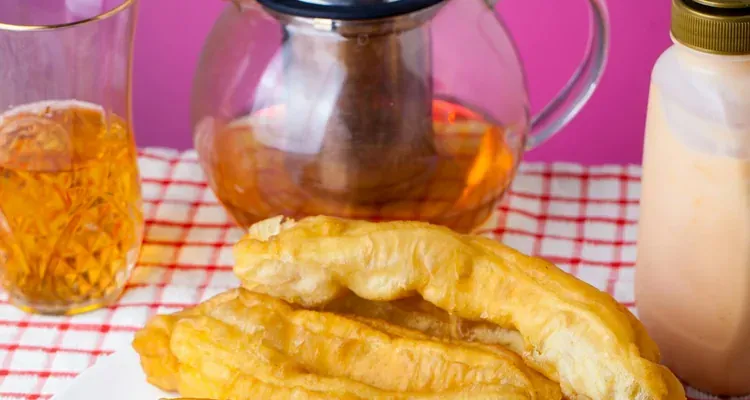
Zalabya are golden, bite-sized Egyptian sweet fritters made from yeasted dough, deep-fried until crisp, and drenched in sugar syrup or honey. Popular across Egypt, zalabya are enjoyed as a street snack, festive treat, or dessert, celebrated for their airy texture and irresistible sweetness. Their simple ingredients and quick preparation make them a beloved part of Egyptian culinary tradition.
Key Takeaways
- Zalabya are deep-fried Egyptian dough balls soaked in syrup or honey.
- They are commonly sold by street vendors and served at family gatherings.
- The fritters are made from a yeasted batter, resulting in a light, airy texture.
- Zalabya are especially popular during Ramadan and festive occasions.
- They can be enjoyed plain, dusted with powdered sugar, or topped with chocolate or nuts.
The Irresistible Allure of Zalabya in Egypt
Egypt’s culinary landscape is a vibrant fusion of ancient traditions and modern flavors, and zalabya stands out as a sweet symbol of this heritage. Whether you’re wandering the bustling streets of Cairo or savoring desserts in a family home, the aroma of freshly fried zalabya is a sensory invitation few can resist. These golden fritters, known for their crisp exterior and fluffy interior, have captured the hearts of locals and visitors alike. Their story is woven into the fabric of Egyptian hospitality, where sharing sweets is a cherished gesture of welcome and celebration.
As you explore Egypt’s diverse regions, zalabya’s popularity becomes clear. From small cafes in Alexandria to lively markets in Luxor, these fritters are a unifying treat enjoyed by people of all ages. Their simple preparation and universal appeal make them a staple at gatherings, religious festivities, and everyday moments of indulgence.
What Exactly Is Zalabya?
Zalabya, sometimes called loqmat al-qadi or Egyptian loukoumades, are small, round fritters made from a yeast-leavened batter. The dough is spooned or piped into hot oil, where it puffs up and turns golden brown. Once cooked, the fritters are immediately drenched in a thick sugar syrup, honey, or sometimes a drizzle of chocolate. The result is a sweet, sticky, and crunchy exterior with a soft, airy center—an irresistible combination that keeps people coming back for more.
In Egyptian homes, zalabya is often prepared fresh for family gatherings or special occasions. Street vendors, however, have perfected the art of making them in large batches, offering them piping hot to passersby. The fritters are typically served in paper cones or boxes, making them a convenient and satisfying snack on the go.
Ingredients and Preparation: The Art of Egyptian Sweet Fritters
The magic of zalabya lies in its minimal ingredients and the precise technique used to achieve the perfect texture. The batter is usually made from flour, yeast, water, a touch of sugar, and a pinch of salt. Some recipes add a hint of vanilla or cardamom for extra aroma. After allowing the batter to rise, it is dropped into hot oil in small portions, creating uniform, golden balls.
Once fried, the fritters are quickly transferred to a bowl of sugar syrup, which is often infused with lemon juice to balance the sweetness. Alternatively, honey or even chocolate sauce can be used for a modern twist. The final touch may include a sprinkling of powdered sugar or chopped nuts, adding both flavor and visual appeal.
Zalabya’s Place in Egyptian Culture and Celebrations
Zalabya is more than just a dessert—it is a cultural icon. These fritters are especially popular during Ramadan, when families gather after sunset to break their fast with an array of traditional sweets. Zalabya’s quick preparation and crowd-pleasing taste make it a favorite choice for festive tables. The treat is also enjoyed during other celebrations and holidays, often alongside classics like baklava and basbousa.
For those interested in the broader context of Egyptian cuisine, zalabya represents the country’s love for sharing food and hospitality. Much like koshary’s hearty comfort or the unique flavors of molokhia soup, zalabya tells a story of community and tradition.
Where to Try Zalabya in Egypt
Sampling zalabya is a must for any traveler seeking authentic Egyptian flavors. In Cairo, you’ll find street vendors frying up fresh batches in neighborhoods from Downtown to Zamalek. Local bakeries and dessert shops also offer zalabya, often with creative toppings and sauces. For a more immersive experience, consider joining a guided food tour that explores the best of Egyptian street food.
Many itineraries, such as the 8-Day Egypt Experience Tour, include culinary highlights that introduce visitors to signature sweets like zalabya. Exploring Egypt’s museums and attractions, such as The National Museum of Egyptian Civilization, often leads to nearby cafes where you can enjoy these fritters with traditional tea or coffee.
Zalabya vs. Other Egyptian Sweets
While zalabya is a standout treat, Egypt’s dessert repertoire is impressively diverse. Sweets like basbousa (semolina cake), konafa (shredded pastry with syrup), and atayef (stuffed pancakes) each have their own place in the country’s culinary history. What sets zalabya apart is its simplicity and the immediate gratification of hot, syrupy dough balls fresh from the fryer.
To deepen your appreciation of Egyptian food culture, a visit to The Grand Egyptian Museum or The Egyptian Museum of Cairo can be paired with tastings of traditional sweets in nearby establishments, connecting the flavors of today with the country’s ancient past.
How Zalabya Is Served: Classic and Modern Styles
Traditionally, zalabya is served hot and coated in simple sugar syrup. Modern dessert shops, however, have reimagined these fritters with innovative toppings, from rich chocolate and caramel sauces to crushed pistachios and coconut flakes. Some cafes even offer zalabya as part of dessert platters, paired with ice cream or fruit for a contemporary twist.
During Ramadan, it is common to see zalabya alongside other sweets at lavish iftar spreads. Street vendors may also offer them in larger portions for sharing, making them a perfect treat for families and groups of friends. Whether enjoyed plain or dressed up, zalabya’s appeal lies in its adaptability and universal charm.
Making Zalabya at Home: A Taste of Egypt Anywhere
For adventurous cooks, making zalabya at home is a rewarding way to experience Egyptian culture firsthand. With basic pantry ingredients and a little patience, you can recreate these fritters in your own kitchen. The process is straightforward, but the key is to fry the dough at the right temperature for a light, crisp result. Homemade zalabya can be customized with your favorite syrups and toppings, offering a personal touch to this beloved treat.
If you’re inspired to discover more about Egyptian food history, the article Ancient Egyptian Food explores the roots of many traditional dishes, connecting modern favorites like zalabya to their historical origins.
Frequently Asked Questions
What is zalabya made of?
Zalabya is made from a yeasted batter of flour, water, sugar, and a pinch of salt, which is deep-fried and then soaked in sugar syrup or honey for sweetness.
Is zalabya the same as loukoumades?
Zalabya and loukoumades are similar fried dough desserts found in Egypt and Greece, respectively, but zalabya is typically smaller and may have local variations in flavor and toppings.
When is zalabya most commonly eaten in Egypt?
Zalabya is especially popular during Ramadan and festive occasions, but it is also enjoyed year-round as a street snack or dessert.
Where can I try authentic zalabya in Egypt?
You can try authentic zalabya from street vendors, local bakeries, and dessert shops throughout Egyptian cities such as Cairo, Alexandria, and Luxor.
Can I make zalabya at home?
Yes, zalabya can be made at home with simple ingredients and basic frying equipment, allowing you to enjoy this Egyptian sweet wherever you are.