

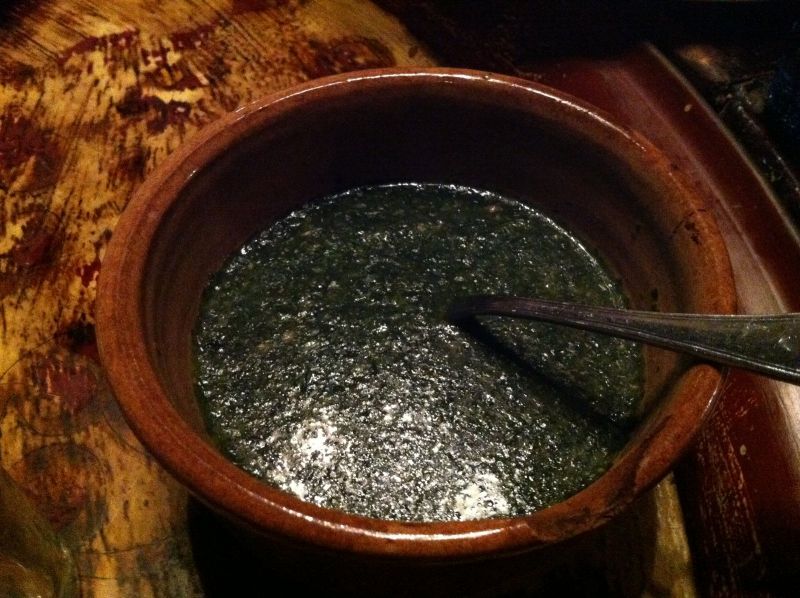
Molokhia is a traditional Egyptian green soup made from finely chopped jute leaves, simmered with garlic, coriander, and rich broth, resulting in a silky, nutritious dish served over rice or with bread. The soup is a staple of Egyptian cuisine, celebrated for its unique flavor and deep cultural roots, and is enjoyed in homes and restaurants across the country.
Key Takeaways
- Molokhia is made from the leaves of the jute plant, known for its mucilaginous texture and high nutritional value.
- The classic Egyptian preparation features garlic, coriander, and chicken or rabbit broth.
- Molokhia is often served with rice or baladi bread and accompanied by roast meats or seafood.
- Jute leaves are available fresh, dried, or frozen in Egyptian markets and specialty stores worldwide.
- This dish is a highlight of Egyptian family gatherings and festive occasions.
The Origins and Cultural Significance of Molokhia in Egypt
Molokhia is more than just a soup; it is a symbol of Egyptian hospitality and tradition. Its roots can be traced back to ancient Egypt, where it was believed to be a dish fit for royalty. According to legend, the Pharaohs enjoyed molokhia for its health benefits and unique taste, and the recipe has been passed down through generations. Today, molokhia remains a cherished part of Egyptian culinary heritage, served at family dinners, festive banquets, and in many cultural tours around Egypt.
Egyptians take pride in preparing molokhia, with each region adding its own twist to the recipe. While the base ingredients remain the same, some families use chicken, others prefer rabbit, and coastal towns might incorporate seafood. The dish’s distinctive green color and velvety texture make it instantly recognizable. For travelers keen to explore authentic Egyptian cuisine, sampling molokhia is a must, whether in a bustling Cairo restaurant or a traditional home setting.
What Is Molokhia? Understanding the Main Ingredient
Molokhia refers to both the dish and the jute leaves (Corchorus olitorius) used to make it. The leaves are harvested when young and tender, then finely chopped to create a thick, slightly viscous soup. This texture, sometimes described as “slippery,” is a hallmark of the dish and is celebrated for its soothing, comforting qualities. The jute plant is rich in vitamins A, C, and E, as well as minerals like calcium and iron, making molokhia both delicious and nourishing.
In Egyptian markets, molokhia is available fresh during harvest season and frozen or dried year-round. The fresh version is highly prized for its vibrant color and delicate flavor, while dried molokhia is more common in rural areas and among families preserving seasonal produce. Whether enjoyed in the countryside or the city, molokhia remains a beloved staple, much like other iconic dishes such as ful medames.
Traditional Egyptian Molokhia Recipe: Ingredients and Method
The classic Egyptian molokhia recipe is simple yet refined, relying on quality ingredients and precise technique. The essential components include fresh or frozen molokhia leaves, chicken or rabbit broth, garlic, ground coriander, and a touch of ghee or oil. The key to authentic flavor lies in the “ta’liya”—a sizzling mixture of garlic and coriander added at the end, infusing the soup with an aromatic finish.
Here is a step-by-step guide to preparing molokhia in the Egyptian style:
- Prepare a rich broth using chicken, rabbit, or beef, seasoned with onions, bay leaves, and peppercorns.
- Finely chop the molokhia leaves with a sharp knife or mezzaluna until they reach a smooth, almost creamy consistency.
- Bring the broth to a gentle simmer and gradually stir in the molokhia, ensuring it does not boil, as this can affect the texture.
- In a separate pan, heat ghee or oil, add minced garlic and ground coriander, and fry until golden and fragrant.
- Pour the garlic-coriander mixture into the soup, stir, and serve immediately with rice or Egyptian baladi bread.
For those traveling along the Nile River, many local eateries and cruise ships feature molokhia on their menus, offering a taste of this time-honored dish against a backdrop of scenic views.
Regional Variations: How Egyptians Enjoy Molokhia Across the Country
While the core ingredients of molokhia remain consistent, regional differences add diversity to this beloved dish. In Cairo, molokhia is most commonly served with chicken and white rice, while in Alexandria and coastal towns, it may be paired with shrimp or fish. In Upper Egypt, the soup is often thicker and accompanied by hearty loaves of bread. These variations reflect Egypt’s rich culinary landscape, inviting visitors to experience the country’s flavors from north to south.
Exploring Egypt’s food scene reveals a tapestry of influences, from ancient traditions to modern twists.
Molokhia and Egyptian Hospitality: A Dish for Family and Festivities
Molokhia holds a special place in Egyptian homes, often prepared for family gatherings, holidays, and special occasions. The process of making molokhia is a communal activity, with family members sharing tasks and stories around the kitchen. The dish is frequently featured in celebratory feasts alongside grilled meats, pickles, and vibrant salads.
Many travelers are introduced to molokhia during immersive ancient Egypt tours or culinary experiences, where they learn about the rituals and symbolism associated with Egyptian food. Sharing a bowl of molokhia is seen as a gesture of warmth and hospitality, embodying the spirit of Egyptian culture.
Where to Taste Authentic Molokhia in Egypt
Molokhia can be found in homes, traditional restaurants, and luxury hotels throughout Egypt. In Cairo, visitors can enjoy the dish in local eateries near historic sites like the Salah El Din Citadel or in the vibrant neighborhoods of Coptic Cairo. Upscale venues may offer gourmet interpretations, while family-run establishments serve time-honored recipes.
Exploring hidden corners of Egypt, such as those highlighted in guides to hidden gems, can also lead to unforgettable culinary discoveries.
Pairings and Serving Suggestions: How Egyptians Eat Molokhia
Molokhia is typically served with steamed white rice or Egyptian baladi bread, and accompanied by roast chicken, rabbit, or lamb. In some regions, lemon wedges are provided to add a bright, tangy note to the soup. Pickled vegetables and spicy condiments often complete the meal, enhancing the flavors and providing contrast to the soup’s smooth texture.
During a classic Egypt itinerary, guests may encounter molokhia as part of a lavish feast or a humble home-cooked dinner, each offering a unique perspective on Egyptian hospitality.
Molokhia’s Nutritional Value and Health Benefits
Jute leaves, the main ingredient in molokhia, are packed with essential nutrients. The soup is an excellent source of dietary fiber, antioxidants, and vitamins, supporting immune health and digestion. Traditionally, molokhia has been recommended for its restorative properties, making it a favorite for both everyday meals and special occasions.
For travelers interested in wellness and culinary traditions, molokhia provides a delicious way to experience the healthful side of Egyptian cuisine. Exploring local food markets and national parks, as detailed in Egypt travel guides, offers further insight into the country’s agricultural bounty and food culture.
Molokhia in Modern Egyptian Cuisine: From Street Food to Fine Dining
While molokhia has ancient origins, it continues to evolve in contemporary Egyptian kitchens. Chefs across the country experiment with new presentations and flavors, incorporating local ingredients and global influences. From casual street food stalls to five-star restaurants, molokhia maintains its status as a beloved comfort food and a symbol of Egypt’s enduring culinary legacy.
Travelers on a 7 day Egypt tour or a customized trip from the USA will find molokhia featured in many dining experiences, reflecting both tradition and innovation.
FAQ: Molokhia in Egyptian Cuisine
What is molokhia made from?
Molokhia is made from the leaves of the jute plant, which are finely chopped and cooked into a green, slightly viscous soup with garlic, coriander, and broth.
Is molokhia vegetarian or vegan?
Molokhia can be made vegetarian or vegan if prepared with vegetable broth and without animal fats or meats, although the traditional recipe uses chicken or rabbit broth.
Where can I try authentic molokhia in Egypt?
Authentic molokhia is available in Egyptian homes, traditional restaurants, and luxury hotels, especially in cities like Cairo and along the Nile River; notable venues include eateries near the National Museum of Egyptian Civilization and on Nile cruises.
What does molokhia taste like?
Molokhia has a mild, earthy flavor with herbal notes from the jute leaves and a rich, aromatic undertone from garlic and coriander, complemented by the savory broth.
How is molokhia served in Egypt?
Molokhia is commonly served over rice or with Egyptian baladi bread, accompanied by roast meats, pickles, and lemon wedges for added flavor.
Can I make molokhia at home?
Yes, molokhia can be made at home using fresh, frozen, or dried jute leaves, and is prepared by simmering the leaves in broth and finishing with a garlic-coriander infusion.
Is molokhia popular outside Egypt?
Molokhia is popular throughout the Middle East and North Africa, with variations found in Lebanon, Syria, and Sudan, but the Egyptian version is especially renowned for its distinctive preparation.
What other traditional Egyptian dishes should I try?
Other traditional Egyptian dishes to try include koshari, ful medames, and taameya; for more culinary inspiration, explore myth-inspired recipes and the Luxor East Bank tour for immersive food experiences.
What is the best time of year to eat molokhia in Egypt?
Molokhia is enjoyed year-round, but the freshest jute leaves are available during the summer harvest, making this season ideal for tasting the dish at its peak.
How does molokhia fit into an Egyptian travel itinerary?
Molokhia is a highlight of Egyptian cuisine and is often included in curated dining experiences on luxury Nile cruises and cultural tours, offering travelers a delicious way to connect with local tradition.
Image: Habib M'henni, CC BY-SA 3.0, via Wikimedia Commons