

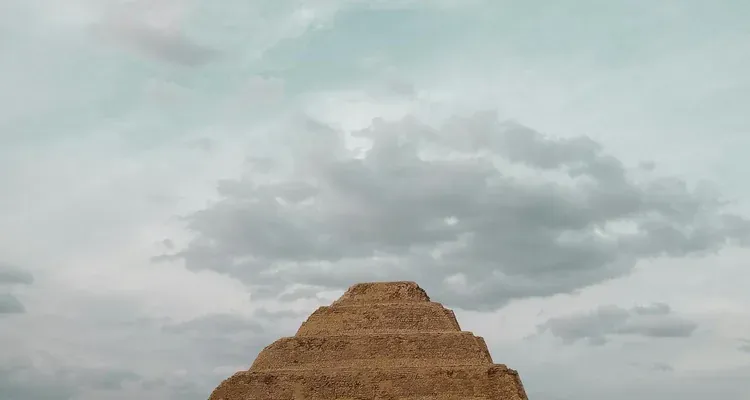
What Was the First Pyramid Ever Built? Unveiling Egypt’s Ancient Architectural Marvel
The story of the first pyramid ever built is a tale that intertwines human ambition, divine inspiration, and the dawn of monumental architecture. Egypt’s ancient pyramids are more than just stone structures—they are enduring symbols of innovation and a testament to the vision of early civilization. For travelers with a passion for history, the allure of standing before these legendary wonders is irresistible. The journey to uncover the origins of pyramid building is not just about bricks and mortar; it’s an exploration of the minds that dared to reach for eternity. Whether you are planning your own adventure or simply captivated by the mysteries of the ancient world, understanding the genesis of the pyramid is essential to appreciating Egypt’s rich tapestry of culture and achievement. As you dream of walking in the footsteps of pharaohs, consider the diverse experiences awaiting you, from a Best 06 Days Egypt Itinerary to exploring why so many are drawn to Egypt’s timeless wonders. The first pyramid marks the beginning of a legacy that continues to shape the identity of Egypt, beckoning modern explorers to witness its grandeur firsthand. If you’re seeking inspiration for your next journey, discover why travelers are choosing Egypt in 2026 and prepare to be enchanted by the origins of the pyramid age.
The Birth of Pyramid Building: The Step Pyramid of Djoser
Long before the iconic Giza pyramids dominated the horizon, a revolutionary structure emerged on the Saqqara plateau. The Step Pyramid of Djoser, constructed during Egypt’s Third Dynasty around 2667–2648 BCE, holds the distinction of being the first pyramid ever built. Designed by the legendary architect Imhotep, this architectural marvel was commissioned by Pharaoh Djoser as his eternal resting place. The Step Pyramid represented a radical departure from traditional mastaba tombs, stacking six rectangular platforms of diminishing size atop one another. This innovative design not only elevated the pharaoh’s tomb but also set a new standard for royal burials and inspired centuries of pyramid construction. For a deeper dive into the evolution of pyramid architecture, explore the fascinating history of the Pyramid of Teti, another significant monument in Egypt’s storied past.
Imhotep: Visionary Architect and High Priest
The genius behind the Step Pyramid, Imhotep, was more than an architect—he was a polymath revered as a physician, high priest, and later deified as a god of wisdom. Imhotep’s innovative use of stone and his ambitious vision transformed funerary architecture, marking a pivotal moment in ancient Egyptian engineering. His legacy endures not only in the stones of Saqqara but also in the hearts of those who marvel at his creations today. If you’re inspired by legendary figures and myths, delve into the captivating Legend of Osiris and Isis to further enrich your understanding of Egypt’s mystical heritage.
Saqqara: The Ancient Necropolis
Saqqara served as the principal necropolis for Memphis, Egypt’s first capital, and remains a treasure trove for archaeology enthusiasts. Beyond the Step Pyramid, Saqqara is home to a labyrinth of tombs, temples, and lesser-known pyramids that reveal the evolution of ancient funerary practices. This site offers an immersive journey through millennia of history, making it a must-visit for cultural travelers. To enhance your adventure, consider adding a guided tour in Aswan to your itinerary and experience the diversity of Egypt’s historical landscapes.
Architectural Innovations: From Mastabas to True Pyramids
The Step Pyramid’s construction marked a turning point in Egyptian architecture. Prior to Djoser, royal tombs were flat-roofed mastabas built from mudbrick. Imhotep’s vision introduced the use of cut limestone, creating a structure that soared over 60 meters high. This leap in engineering paved the way for the “true” pyramids that would follow, culminating in the masterpieces at Giza. If you are curious about how these innovations influenced later monuments, explore the majestic Great Sphinx of Giza, a sentinel that guards the plateau and the secrets of the pyramid builders.
The Symbolism of the Pyramid Shape
The pyramid’s distinctive form was more than an architectural feat—it was imbued with profound spiritual meaning. The shape was believed to represent the primordial mound from which creation emerged and to serve as a stairway for the pharaoh’s soul to ascend to the heavens. This symbolic resonance fueled the ambition of successive rulers, each striving to leave their mark on the landscape. For those interested in Egypt’s enduring traditions, discover what tourists experience when visiting Egypt today and how ancient beliefs continue to shape modern culture.
Engineering Techniques and Labor
The construction of the Step Pyramid was a monumental undertaking, requiring vast resources and skilled labor. Workers quarried limestone, transported blocks, and assembled the structure with remarkable precision. The organization of labor, logistics, and craftsmanship set a precedent for future projects, including the colossal pyramids at Giza. To witness the grandeur of ancient engineering, embark on a 3 Nights Nile Cruise Egypt and view the legacy of Egypt’s builders along the riverbanks.
The Legacy of the First Pyramid: Influence on Successive Dynasties
The Step Pyramid’s influence reverberated through the annals of Egyptian history, inspiring the construction of increasingly ambitious monuments. The Fourth Dynasty saw the rise of the “true” pyramid, exemplified by the Great Pyramid of Khufu. Yet, it was Djoser’s tomb that laid the foundation for this golden age of pyramid building. The evolution from stepped to smooth-sided pyramids reflects the dynamic interplay between religious belief, political power, and architectural innovation. For those planning an immersive journey, the Egypt Itinerary 8 Days offers a curated exploration of these legendary sites.
Notable Pyramids That Followed
After the Step Pyramid, Egypt witnessed a proliferation of pyramid construction, each with its unique characteristics. The Bent Pyramid and the Red Pyramid at Dahshur showcase the experimentation and refinement of pyramid design. These monuments, along with the Step Pyramid, form the backbone of Egypt’s architectural heritage. If you seek a deeper understanding of ancient artistry, a visit to the Tomb of Nefertari Luxor reveals the exquisite craftsmanship that flourished alongside pyramid building.
The Pyramid as a Symbol of Eternal Power
For the pharaohs, the pyramid was not just a tomb—it was a statement of divine authority and an enduring legacy. The sheer scale and precision of these structures continue to captivate scholars and travelers alike. As you plan your own journey, consider the exclusive 7 Day Egypt Tour to experience the splendor of Egypt’s royal monuments firsthand.
Visiting the Step Pyramid: A Modern Traveler’s Guide
Today, the Step Pyramid of Djoser is a highlight for discerning travelers seeking an authentic connection to Egypt’s ancient past. The site has undergone extensive restoration, allowing visitors to explore its corridors and marvel at its grandeur. Guided tours provide invaluable insights into the rituals, engineering, and artistry that shaped this world wonder. For those who crave a seamless travel experience, browse the finest Egypt Tours Packages from USA for expertly curated journeys.
Beyond Saqqara: Other Must-See Ancient Sites
While Saqqara is a cornerstone of Egypt’s heritage, the country offers a wealth of other extraordinary sites. Marvel at the lush gardens and regal architecture of Montazah Palace in Alexandria, or stroll along the iconic Avenue of Sphinxes in Luxor. Each destination reveals a unique facet of Egypt’s multifaceted history, promising unforgettable moments for every traveler.
Unique Experiences: Nile Cruises and Day Tours
No journey to Egypt is complete without a cruise along the legendary Nile. Glide past ancient temples and vibrant villages on a 4 Day 3 Night Nile Cruise from Aswan to Luxor and witness the landscapes that inspired generations of builders and dreamers. For those with limited time, a Luxor Tour from Marsa Alam offers a curated introduction to the wonders of the ancient world.
Why the First Pyramid Still Captivates the World
The enduring fascination with the Step Pyramid lies in its audacity and innovation. It stands as a testament to the ingenuity of ancient Egyptians and their quest for immortality. For modern explorers, the pyramid is a bridge to a world where myth and reality intertwine, offering a glimpse into humanity’s first monumental achievements. If you are seeking inspiration for your next adventure, discover the best safe winter sun destinations near Europe and let Egypt’s timeless beauty warm your soul.
Planning Your Luxury Egypt Adventure
Embarking on a journey to Egypt is more accessible and rewarding than ever. With expertly crafted itineraries, private guides, and exclusive experiences, travelers can immerse themselves in the magic of the ancient world. For personalized recommendations and seamless planning, explore the curated selection of national parks in Egypt and discover how nature and history blend to create unforgettable moments.
Experience Egypt’s Timeless Allure
Whether you are drawn by the mysteries of the pyramids, the splendor of royal tombs, or the vibrant culture that thrives along the Nile, Egypt offers an unrivaled adventure for every traveler. From the pioneering spirit of the Step Pyramid to the opulence of modern-day luxury tours, the country’s legacy is yours to explore. Begin your journey by discovering Aswan Tours and let the spirit of discovery guide you through the land of pharaohs.
From the first pyramid to the last, see how many pyramids are in Egypt.
Related reading: Was the Step Pyramid of Djoser Built with Hydraulics? · The Bent Pyramid: Why It's Bent & Who Built It.