

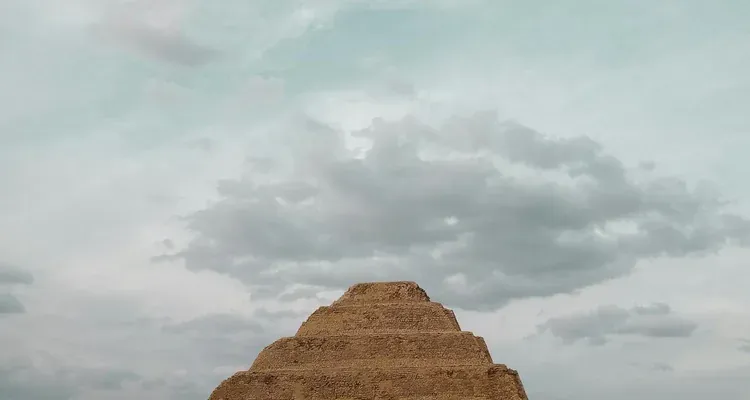
Was the Step Pyramid of Djoser Built with Hydraulics? Unveiling Ancient Egyptian Engineering Marvels
The Step Pyramid of Djoser stands as a timeless testament to the ingenuity and vision of ancient Egyptian civilization. Rising majestically from the sands of Saqqara, this architectural masterpiece is not only the world’s earliest colossal stone structure but also the prototype for all future pyramids. For centuries, travelers, historians, and engineers have marveled at its extraordinary design, pondering the secrets behind its construction. One of the most captivating questions is whether the Step Pyramid was built with the aid of hydraulics—a concept that continues to ignite curiosity among scholars and luxury travelers alike. Exploring the intersection of ancient innovation and modern intrigue, this article delves deep into the theories surrounding Djoser’s pyramid, unraveling the myths and marvels that make it a must-see for discerning explorers. As you embark on your journey of discovery, imagine yourself walking in the footsteps of pharaohs, architects, and laborers, each contributing to a legacy that has endured for millennia. Whether you are fascinated by ancient engineering, enchanted by Egypt’s mystical landscapes, or seeking an unforgettable cultural adventure, the story of the Step Pyramid promises to inspire and amaze. For those planning a journey through Egypt’s wonders, integrating historical insights into your itinerary can elevate your experience—just as learning about The Egyptian Museum of Cairo enriches your appreciation of the country’s profound heritage.
Understanding the Step Pyramid’s construction methods is more than an academic exercise; it’s a gateway to appreciating the sophistication and ambition of ancient Egyptian society. Theories abound, from the use of ramps and levers to the tantalizing possibility of water-based hydraulic systems. While no definitive evidence confirms the use of hydraulics, the debate itself underscores the pyramid’s enduring allure and the relentless quest for knowledge that defines both ancient and modern Egypt. As you plan your own adventure, consider how every stone, corridor, and chamber tells a story—not only of the past but of the enduring human spirit that seeks to push boundaries and achieve the extraordinary. And as you explore, you may find yourself drawn to other facets of Egyptian life, such as the vibrant Local Life in Egypt, which offers a living connection to the traditions and innovations that shaped this remarkable land.
Step Pyramid of Djoser: A Revolutionary Leap in Ancient Architecture
The Step Pyramid, commissioned by Pharaoh Djoser and designed by his visionary architect Imhotep, marked a turning point in the history of monumental construction. Unlike earlier mastabas, which were simple rectangular tombs, the Step Pyramid features six distinct levels, each stacked upon the other in a grand display of ambition and skill. This structure, rising over 60 meters, was not simply a tomb but a symbol of divine authority and technological prowess. Its construction required meticulous planning, vast resources, and the mobilization of thousands of skilled workers. The site at Saqqara became a bustling hub of activity, where artistry and engineering converged to create an enduring wonder. For travelers seeking to immerse themselves in Egypt’s architectural evolution, a visit to Saqqara offers a unique perspective, especially when paired with explorations of other iconic sites like Alexandria City, where ancient and modern marvels coexist in harmony.
Imhotep: The Genius Behind the Step Pyramid
Imhotep, often regarded as the world’s first architect, physician, and engineer, is credited with revolutionizing Egyptian construction. His innovative use of limestone blocks, rather than mudbrick, set a new standard for durability and grandeur. Imhotep’s vision extended beyond the pyramid itself to encompass an entire mortuary complex, complete with courtyards, temples, and ceremonial spaces. His legacy endures not only in stone but in the annals of history, inspiring generations of builders and dreamers. For those captivated by the stories of legendary figures, discovering the mythic tales like The Legend of Osiris and Isis adds further depth to your exploration of Egypt’s cultural tapestry.
Hydraulics in Ancient Egypt: Myth, Mystery, or Mastery?
The notion that the Step Pyramid of Djoser was built with hydraulics is both fascinating and controversial. Hydraulics, the use of water to generate power or facilitate movement, was known in various ancient civilizations, but direct evidence of its application in pyramid construction remains elusive. Some theorists suggest that water may have been used to transport massive stone blocks via canals or to aid in leveling the pyramid’s base. This hypothesis draws on the Egyptians’ well-documented expertise in irrigation and water management, as seen in their mastery of the Nile’s annual floods. However, most mainstream Egyptologists maintain that ramps, sledges, and sheer human ingenuity were the primary tools employed. For a deeper appreciation of the environmental context that shaped these innovations, consider reading about Why Explore National Parks in Egypt? to understand how nature and civilization have always been intertwined in this remarkable land.
Theories Supporting Hydraulic Construction Methods
Proponents of the hydraulic theory argue that water could have played a crucial role in moving and positioning the massive limestone blocks. Some experimental archaeologists have demonstrated that wetting the sand in front of sledges can reduce friction, making it easier to drag heavy loads. Others speculate that temporary water channels or pools may have been constructed to facilitate the transport of materials. While these ideas remain speculative, they highlight the Egyptians’ adaptability and willingness to experiment with available resources. For those intrigued by ancient technology, exploring the innovations that shaped Egypt’s golden age is as captivating as cruising the Nile aboard the luxurious Steigenberger Royale Nile Cruise, where history and comfort merge seamlessly.
Archaeological Evidence: Ramps, Levers, and Labor
Despite the allure of hydraulic theories, the majority of archaeological evidence points to more conventional construction techniques. Excavations at Saqqara have revealed traces of massive ramps, which would have allowed workers to haul stones up to successive levels of the pyramid. Levers and wooden sledges were likely used to maneuver blocks into place, while teams of laborers coordinated their efforts with remarkable precision. These discoveries underscore the Egyptians’ organizational skills and their ability to mobilize resources on an unprecedented scale. For a closer look at the daily lives of those who built these wonders, a visit to Luxor City offers insights into ancient communities that thrived along the Nile.
Visiting the Step Pyramid: A Journey into Egypt’s Ancient Heart
Today, the Step Pyramid of Djoser is a must-visit destination for luxury travelers seeking an authentic connection to Egypt’s storied past. The site has been beautifully restored, allowing visitors to marvel at its intricate architecture and explore the surrounding mortuary complex. Guided tours offer fascinating insights into the pyramid’s construction, its religious significance, and the enduring mysteries that surround it. For those planning an immersive experience, combining a visit to Saqqara with a tailored itinerary—such as the 10 Days Egypt Family Tour Holidays—ensures a seamless blend of history, culture, and luxury.
Luxury Travel Tips: Experiencing Saqqara in Style
To truly savor the magic of Saqqara, consider engaging a private Egyptologist guide who can illuminate the site’s hidden stories and architectural nuances. Early morning visits offer a tranquil atmosphere and the best light for photography, while exclusive access tours can provide behind-the-scenes glimpses into ongoing restoration efforts. Pair your pyramid adventure with a stay at one of Egypt’s boutique hotels, such as those highlighted in Hotels in Tunis Village, for an unparalleled blend of comfort and authenticity.
Connecting Ancient and Modern Egypt: Beyond the Pyramids
Your journey through Egypt need not end at Saqqara. The country’s rich tapestry of attractions invites exploration beyond the ancient world. From the regal splendor of Abdeen Palace in Cairo to the sun-drenched shores of Alexandria, each destination offers its own unique narrative. For those seeking adventure, the Hurghada Desert Safari By Jeep promises an exhilarating escape into Egypt’s natural wonders.
Ancient Egyptian Engineering: Legacy and Influence
The Step Pyramid’s enduring legacy lies not only in its monumental scale but in its profound influence on subsequent generations of builders. The techniques pioneered at Saqqara paved the way for the construction of the iconic pyramids at Giza and countless other architectural feats. Today, scholars continue to study and debate the methods employed, drawing inspiration from the Egyptians’ relentless pursuit of excellence. For travelers eager to deepen their understanding, exploring thematic journeys such as Best 11 Days Egypt Tour for Families offers curated access to Egypt’s most significant historical sites.
Preservation and Restoration: Safeguarding Egypt’s Heritage
Modern conservation efforts have ensured that the Step Pyramid remains accessible to future generations. Innovative restoration techniques, informed by both ancient practices and cutting-edge technology, have stabilized the structure and revealed new insights into its construction. These initiatives underscore the importance of preserving Egypt’s cultural treasures in the face of environmental and human challenges. For a broader perspective on the country’s commitment to heritage, learning about the etiquette and customs outlined in Egypt Travel Etiquette can enrich your interactions and appreciation of local traditions.
Practical Advice for Luxury Travelers Exploring Ancient Egypt
To make the most of your Egyptian adventure, thoughtful preparation is key. From selecting the perfect attire for the climate—guided by resources like What to Wear in Egypt—to choosing the ideal travel season, every detail enhances your experience. Private transfers, expert guides, and curated excursions ensure comfort and exclusivity at every stage of your journey. For those seeking a seamless blend of relaxation and discovery, embarking on a Dahabiya Cruise along the Nile offers an intimate perspective on Egypt’s landscapes and history.
Family-Friendly Experiences: Inspiring the Next Generation
Egypt’s timeless wonders captivate travelers of all ages. Family-focused itineraries, such as the 08 Days Egypt Family Vacation Tour, combine educational experiences with engaging activities, ensuring that children and adults alike are inspired by the mysteries of the ancient world. From exploring the labyrinthine corridors of the Step Pyramid to sailing the tranquil waters of Lake Nasser Cruises, every moment becomes a cherished memory.
Conclusion: The Enduring Allure of the Step Pyramid
While the question of whether the Step Pyramid of Djoser was built with hydraulics may remain unresolved, the very existence of such theories speaks to the enduring fascination with ancient Egyptian ingenuity. The pyramid stands not only as a relic of the past but as a living symbol of humanity’s capacity for innovation, ambition, and wonder. For luxury travelers, the journey to Saqqara is more than a sightseeing excursion—it is an invitation to connect with the spirit of discovery that has animated Egypt for thousands of years. As you plan your adventure, consider enhancing your itinerary with a journey aboard the elegant MS Crown Jewel Nile Cruise, where the legacy of the pharaohs unfolds against a backdrop of modern comfort.
Let the mysteries of the Step Pyramid inspire your own quest for knowledge and adventure. Whether you are drawn by history, architecture, or the promise of unforgettable experiences, Egypt offers a world of possibilities waiting to be explored. Begin your journey today and discover why this ancient land continues to captivate the imagination of travelers from around the globe.
Related reading: Step Pyramid of Djoser at Saqqara: History & Facts · What Was the First Pyramid Ever Built?.