

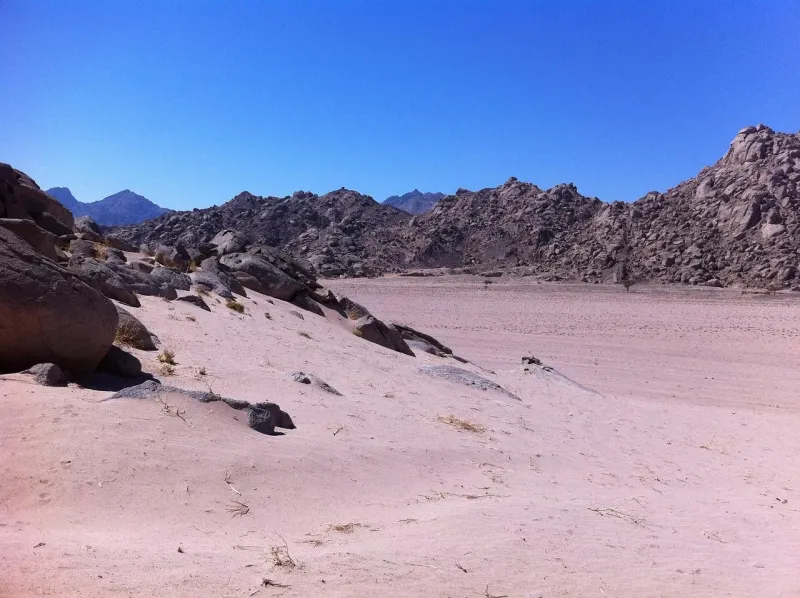
Stargazing near Cairo is entirely possible, with several accessible desert locations offering clear night skies just a short drive from the city. Within an evening, you can escape the urban glow and experience Egypt’s celestial wonders from the sandy serenity of the surrounding deserts, making it a memorable activity for locals and visitors alike.
Key Takeaways
- The Eastern and Western Deserts near Cairo provide excellent stargazing conditions with minimal light pollution.
- Popular spots include Wadi Degla, Fayoum, and the outskirts of the Cairo-Alexandria Desert Road.
- Guided stargazing tours and astronomy clubs offer safe and informative experiences for beginners.
- Always check the weather and moon phase for optimal visibility before planning your evening excursion.
Why Stargazing Near Cairo is a Must-Do Experience
Few experiences can match the awe of gazing up at a sky ablaze with stars, especially when you’re only a short journey from a metropolis like Cairo. Egypt’s deserts are famed for their clarity, and the proximity of these vast open landscapes means you don’t need to travel far to enjoy a night under the stars. Whether you’re a seasoned astronomer or simply seeking a magical evening away from city lights, stargazing near Cairo offers tranquility, inspiration, and a unique perspective on the ancient land that has fascinated sky-watchers for millennia. With the city’s easy access to multiple desert environments, an impromptu evening adventure is always within reach.
Stargazing is woven into Egypt’s cultural heritage, from pharaonic times to the present. The same skies that guided ancient travelers and inspired monumental structures are still visible today, best appreciated from the quiet edges of the city. Modern Cairo’s light pollution can be overwhelming, but within 30 to 90 minutes, you can find yourself enveloped by darkness and silence, with the Milky Way arching overhead. For travelers interested in combining history, nature, and astronomy, Cairo’s surrounding deserts provide a rare blend of accessibility and authenticity.
Top Desert Spots for Stargazing Near Cairo
Wadi Degla Protectorate: Nature’s Stargazing Sanctuary
Located just southeast of Maadi, Wadi Degla Protectorate is a protected valley that offers one of the closest escapes from Cairo’s city lights. Its rugged limestone cliffs and open valley floor create an ideal environment for night sky observation. Wadi Degla is popular with local astronomy clubs and often hosts organized stargazing events. The area is easily accessible and safe for families or small groups, making it a favorite for spontaneous evening outings.
Fayoum: The Gateway to the Western Desert
Fayoum, a lush oasis southwest of Cairo, is surrounded by desert landscapes perfect for stargazing. The area around Lake Qarun and the rolling dunes of Wadi El Rayan offer wide, open skies and minimal light interference. Many multi-day Egypt tours include overnight stays in Fayoum, but it’s also reachable for an evening trip. The desert’s tranquility and the chance to spot constellations reflected in the lake’s waters make it a romantic and serene choice.
Cairo-Alexandria Desert Road: Quick Access to Dark Skies
The Cairo-Alexandria Desert Road, stretching west from the city, quickly leads to areas with dramatically reduced light pollution. Many stargazers head to accessible turn-offs and rest stops along this route, or venture further to find secluded spots. The proximity of the desert attractions along this corridor makes it a practical option for those with limited time but a strong desire for a celestial escape.
Eastern Desert Outskirts: Adventure and Astronomy Combined
The Eastern Desert, bordering Cairo to the east, is less frequented but offers pristine skies for those willing to venture a bit further. Organized tours sometimes include astronomy sessions, and the terrain provides a dramatic backdrop for night photography. While these areas are best explored with a guide, the sense of adventure and solitude is unmatched, making it a top choice for dedicated stargazers and photographers.
What to Expect: Night Sky Highlights and Seasonal Wonders
Egypt’s desert skies reveal a tapestry of stars, planets, and deep-sky objects. Depending on the time of year, you may witness meteor showers, the bright band of the Milky Way, or planetary conjunctions. Winter nights are cooler and often clearer, while summer brings warmer evenings and longer hours of darkness. The clarity of the air and the lack of humidity enhance visibility, making celestial features appear sharper and more vibrant.
For those new to astronomy, guided experiences can provide telescopes, star maps, and expert interpretation. Many Cairo day tours include evening desert excursions tailored for stargazing, blending local hospitality with scientific insight. Check for special events, such as the Perseid meteor shower in August or lunar eclipses, which are particularly spectacular in Egypt’s open landscapes.
How to Plan Your Stargazing Evening Near Cairo
Choosing the Right Night
Optimal stargazing requires a clear, moonless night. Check the lunar calendar and weather forecasts before heading out, as clouds or bright moonlight can diminish visibility. The best nights are those with new moons, when the sky is darkest and the stars shine brightest. Some astronomy clubs in Cairo organize regular outings, offering a safe and social way to experience the desert at night.
Getting There and Staying Safe
Most desert stargazing spots near Cairo are accessible by car within one to two hours. For those unfamiliar with the terrain, joining a guided group or booking an organized tour is recommended. Safety considerations include bringing sufficient water, warm clothing for cooler nights, and informing someone of your plans. If you’re interested in combining your stargazing adventure with other activities, consider a desert safari trip that includes sunset and night sky observation.
What to Bring
Pack a flashlight with a red filter to preserve your night vision, binoculars or a telescope for enhanced viewing, a blanket or reclining chair, and snacks. Dress in layers, as desert temperatures can drop quickly after sunset. Don’t forget your camera—Egypt’s desert landscapes and star-filled skies make for incredible night photography opportunities.
Combining Stargazing with Cairo’s Other Attractions
Stargazing can be seamlessly integrated into a broader exploration of Cairo and its surroundings. After a day spent visiting sites like the Babylon Fortress or wandering the historic streets of Old Cairo, an evening in the desert offers a peaceful contrast. Multi-day itineraries often feature a blend of cultural, historical, and natural experiences, ensuring every moment is rich with discovery.
If you’re planning an extended journey through Egypt, consider including stargazing nights in your Egypt itinerary. The desert’s allure is timeless, and the chance to witness the same stars that ancient Egyptians revered adds a profound dimension to your travels.
Frequently Asked Questions
Is it safe to go stargazing in the desert near Cairo?
Stargazing in the desert near Cairo is generally safe when done with a group or a reputable guide, as these areas are close to the city and frequently visited by locals and tourists.
How far are the best stargazing spots from Cairo?
The best stargazing spots are typically 30 minutes to two hours from central Cairo, including locations like Wadi Degla, Fayoum, and areas along the Cairo-Alexandria Desert Road.
Can I join a guided stargazing tour?
Guided stargazing tours are available through local astronomy clubs and tour operators, providing equipment, expert guidance, and safe transportation to and from the desert sites.
What time of year is best for stargazing near Cairo?
Clear winter nights often offer the best visibility, but stargazing is possible year-round; check the lunar calendar and weather forecast for optimal nights.
Do I need special equipment to enjoy stargazing?
No special equipment is required for basic stargazing, but binoculars or a telescope can enhance the experience, and a flashlight with a red filter is useful for preserving night vision.