

Unearthing the Legacy: Real Ancient Egyptian Artifacts and Their Eternal Mystique
 See our best Egypt tour packages →
Real Ancient Egyptian artifacts stand as mesmerizing testaments to one of humanity’s most remarkable civilizations. These ancient treasures—crafted thousands of years ago—continue to captivate scholars, travelers, and history enthusiasts alike. From intricately carved statues and dazzling jewelry to sacred papyri and everyday pottery, each artifact whispers secrets of a sophisticated society that valued artistry, spirituality, and innovation. Egypt’s artifacts are more than just relics; they’re windows into the souls of pharaohs, artisans, and priests who shaped history along the fertile banks of the Nile River.
The allure of Real Ancient Egyptian artifacts lies not only in their beauty but also in the astonishing craftsmanship and symbolism embedded in every detail. Whether unearthed from dusty tombs beneath the sands of Saqqara or displayed under dazzling museum lights, these relics bridge the gap between the divine and the mortal. Each piece reflects a culture obsessed with eternity, where art wasn’t merely decorative—it was sacred, functional, and deeply intertwined with the belief in life after death. Imagine touching an amulet worn by a queen or gazing upon the hieroglyphs inscribed by an ancient scribe; you’d be witnessing echoes of a civilization that refused to fade with time.
Exploring these timeless masterpieces is a journey through centuries of ingenuity and devotion. From the golden funerary mask of Tutankhamun to the colossal statues of Ramses II, every artifact unravels clues about Egypt’s technological prowess, cosmic beliefs, and its quest for immortality. Whether you’re admiring them at the Grand Egyptian Museum or at the Egyptian Museum of Cairo, Real Ancient Egyptian artifacts continue to leave everyone spellbound with their timeless elegance and divine mystery.
The Symbolism and Purpose Behind Real Ancient Egyptian Artifacts
In the heart of Egypt’s ancient world, every object carried a profound meaning. Real Ancient Egyptian artifacts weren’t made for mere decoration—they served spiritual, political, and practical purposes. The ancient Egyptians believed that physical objects, when crafted with divine precision, could bridge the mortal realm with the afterlife. From funerary masks to alabaster canopic jars, each artifact was a vessel of eternal energy. Temples and tombs, like those found in the Valley of the Kings, were filled with these sacred items to guide souls through the underworld.
Jewelry, too, wasn’t just for adornment. Gold and lapis lazuli necklaces symbolized protection from evil forces. Scarab amulets represented rebirth, while the Eye of Horus signified healing and divine power. Each symbol embedded in these Real Ancient Egyptian artifacts echoed powerful beliefs that governed daily life. Even mundane items like cosmetic jars and combs reflected a society deeply connected to ritual purity and celestial harmony. The blend of beauty and purpose made Egyptian craftsmanship unparalleled, leaving a legacy that continues to influence modern design and art.
The Majestic Funerary Artifacts of Pharaohs
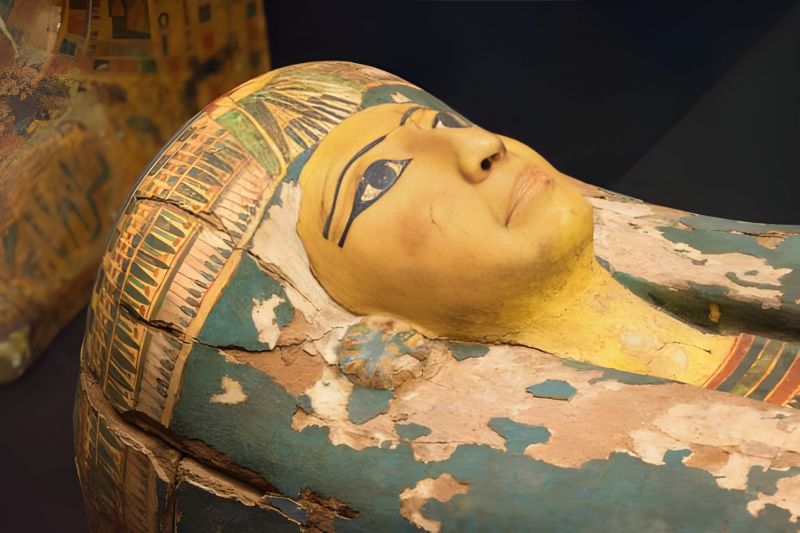
Among Real Ancient Egyptian artifacts, none are as iconic as funerary items created for the mighty pharaohs. These rulers were seen as earthly gods, and their journey to the afterlife demanded an elaborate collection of treasures. Coffins, sarcophagi, and exquisite golden masks—like that of King Tutankhamun—emphasized the grandeur of death and resurrection. These artifacts reflected both political authority and divine reverence, designed to ensure safe passage through the underworld and eternal union with the gods.
The discovery of Tutankhamun’s tomb in 1922 unveiled how Egyptians viewed death as a continuation of life. The burial chamber was packed with thousands of artifacts: chariots, thrones, vessels, and amulets. Each item was created with symbolic precision, ensuring the young pharaoh’s protection and prosperity in eternity. The craftsmanship behind these funerary artifacts remains unmatched, a testament to Egypt’s mastery in art, science, and religion.
Daily Life Artifacts: Tools of an Ancient Civilization
While pharaohs received golden treasures, everyday Egyptians left behind Real Ancient Egyptian artifacts that paint a vivid picture of daily life. Archaeological excavations have uncovered pottery, linen garments, farming tools, and writing instruments. These objects reveal how innovation thrived in ancient Egypt. The use of copper chisels, papyrus scrolls, and reed pens demonstrates the Egyptians’ advanced understanding of materials and engineering. Their attention to detail is evident not only in monumental structures but also in humble household items.
Ancient artisans often inscribed utensils and storage jars with hieroglyphic labels. This practice wasn’t just practical—it was spiritual. Labeling an item with sacred writing was believed to imbue it with divine essence. The discovery of such relics in settlements near the Nubian Museum and other archaeological sites offers fascinating insights into the economic and cultural fabric of Egypt’s ancient communities.
The Artistic Brilliance of Egyptian Sculptures and Reliefs
Real Ancient Egyptian sculptures and reliefs are marvels of precision and storytelling. Carved in limestone, basalt, and granite, these artworks immortalized gods, pharaohs, and daily life scenes. The symmetry and proportion adhered to sacred mathematical principles, symbolizing order and divine balance—concepts deeply rooted in the Egyptian worldview of Ma’at. Whether towering in temples like Abu Simbel Temples or decorating the walls of the Luxor Temple, these carvings remain awe-inspiring examples of visual communication that transcends time.
Each relief told stories of victories, rituals, and divine interventions. The depth of detail and the use of color pigments—still visible after millennia—reflect Egypt’s advanced knowledge of mineral compounds and artistic techniques. The human figures, with their iconic frontal eyes and profile heads, follow strict conventions that symbolized continuity and spirituality rather than realism.
Sacred Amulets and Religious Icons of Ancient Egypt
Amulets and religious icons rank among the most enchanting Real Ancient Egyptian artifacts. Crafted from gold, faience, carnelian, and turquoise, these tiny yet powerful objects were worn by both the living and the dead. Amulets such as the Ankh (symbol of life), the scarab, and the Djed pillar served as divine charms providing healing, strength, and protection. They were often placed within mummy wrappings, ensuring the deceased’s soul could safely traverse the afterlife.
Excavations at temples like Kom Ombo Temple and Karnak Temple have revealed caches of such sacred relics, showing their widespread use across centuries. These amulets weren’t merely ornaments—they were living symbols of faith and metaphysical science, embodying Egypt’s profound connection between art and divinity.
Architectural Artifacts: Monuments as Eternal Testimonies
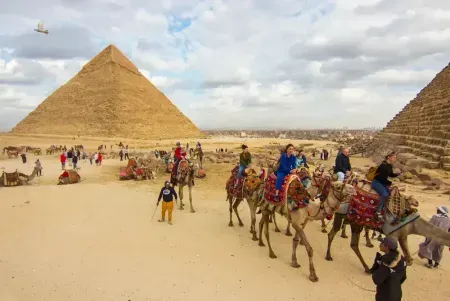
Beyond portable relics, Egypt’s landscape itself serves as a vast museum of Real Ancient Egyptian artifacts. The colossal temples, obelisks, and tombs carved into limestone cliffs stand as architectural wonders. Structures like the Great Pyramids of Giza and the Great Sphinx of Giza are both artistic and symbolic masterpieces, representing divine power and cosmic order.
Hieroglyphs inscribed on temple walls preserved history, rituals, and astronomy. They transformed stone into living scripture. Even today, visitors walking through the Temple of Seti I or passing the colossal Colossi of Memnon can sense the divine aura embedded in every block of stone. These architectural artifacts reveal that the Egyptians didn’t merely build for the present—they constructed monuments meant to resonate through eternity.
The Preservation and Discovery of Real Ancient Egyptian Artifacts
The survival of these Real Ancient Egyptian artifacts over thousands of years is a scientific marvel. The dry desert climate acted as nature’s preservation chamber, keeping organic materials like linen, papyrus, and wood astonishingly intact. Modern archaeological practices and restoration techniques help protect these treasures for future generations. Institutions across the world collaborate with Egyptian authorities to document, conserve, and study these invaluable relics without disturbing their historical integrity.
Excavations in regions like Luxor, Saqqara, and Aswan continue to unveil new findings, expanding our understanding of Egypt’s cultural evolution. Each discovery adds another piece to the intricate mosaic of this ancient civilization’s legacy, reaffirming Egypt’s position as the cradle of artistic and scientific brilliance. The ongoing preservation efforts also enhance tourism, allowing visitors to witness history first-hand through exclusive Luxury Egypt Tours and curated museum experiences.
Modern Fascination with Real Ancient Egyptian Artifacts
Today, the fascination with Real Ancient Egyptian artifacts transcends borders and generations. Museums worldwide feature exhibitions dedicated to Egypt’s ancient wonders, and millions of visitors flock to Egypt annually to walk among the remnants of eternity. Whether through interactive displays, virtual reality reconstructions, or hands-on archaeological programs, ancient Egypt continues to inspire researchers, artists, and dreamers alike.
This timeless allure stems from the artifacts’ duality—they’re both ancient and ageless. They remind us of the human desire to leave a mark beyond life itself. Standing before a perfectly carved statue or a delicately painted sarcophagus, one can’t help but feel connected to the people who once held faith in magic, eternity, and artistic perfection. For travelers seeking authentic encounters with history, combining visits to these sites with Best Nile River Cruises or exploring nearby temples offers a profound experience that bridges past and present.
 Explore our Cairo day tours →
FAQs About Real Ancient Egyptian Artifacts
What materials were commonly used in Real Ancient Egyptian artifacts?
Egyptian artisans used an impressive array of materials, including gold, silver, copper, alabaster, limestone, granite, and faience. Natural pigments, semi-precious stones like lapis lazuli, turquoise, and carnelian were also used. These materials weren’t chosen randomly—they carried spiritual meanings, symbolizing purity, protection, and divine energy.
Where can visitors see the most significant Real Ancient Egyptian artifacts?
The most remarkable collections are found at the National Museum of Egyptian Civilization, the Grand Egyptian Museum, and the Egyptian Museum of Cairo. Additionally, treasures remain preserved in temples and tombs throughout Luxor and Aswan, offering visitors the chance to witness these relics in their original settings.
How were Real Ancient Egyptian artifacts preserved for thousands of years?
Egypt’s arid desert climate and meticulous burial practices created natural preservation conditions. Tombs were sealed airtight, and items were often coated with resins and oils that resisted decay. Modern conservation efforts now employ scientific techniques such as humidity control, infrared imaging, and 3D scanning


