

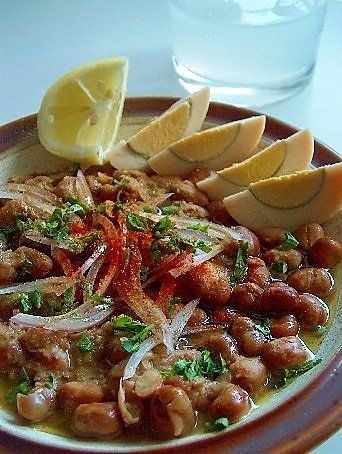
Ful Medames is Egypt’s quintessential fava bean dish, beloved as a hearty breakfast and street food staple. Traditionally slow-cooked and seasoned with olive oil, lemon, and spices, it offers a rich, earthy flavor and creamy texture. Whether enjoyed at home or in bustling Cairo cafes, Ful Medames is a symbol of Egyptian hospitality and a must-try for culinary explorers.
Key Takeaways
- Ful Medames is Egypt’s national breakfast, made from slow-cooked fava beans with olive oil, lemon, and cumin.
- The dish is typically served with pita bread, fresh vegetables, and sometimes hard-boiled eggs.
- Ful Medames dates back to ancient Egypt and remains a staple in Egyptian homes and street food stalls.
- It is naturally vegan and highly nutritious, packed with protein, fiber, and essential minerals.
- Egyptian Dukkah, a spice and nut blend, is a popular topping for Ful Medames.
The Story Behind Ful Medames: Egypt’s Culinary Heritage
Ful Medames, pronounced “fool medammes,” is more than just a meal; it’s a culinary tradition that has nourished Egyptians for millennia. Its origins trace back to ancient times, with archaeological evidence suggesting that fava beans were a staple in pharaonic diets. Today, Ful Medames is synonymous with Egyptian identity, enjoyed from Alexandria to Aswan, and often shared among families and friends at breakfast tables or roadside stalls.
What Makes Ful Medames Unique?
The secret to Ful Medames lies in its simplicity and slow-cooking method. Fava beans are simmered overnight in large copper pots known as “qidra,” allowing them to soften and develop a creamy consistency. The beans are then seasoned with olive oil, fresh lemon juice, garlic, and cumin. Each region—and even each family—has its own twist, with optional garnishes like chopped tomatoes, onions, parsley, or a sprinkle of Egyptian Dukkah.
Traditional Ingredients for Ful Medames
The basic ingredients include dried fava beans, water, olive oil, lemon juice, garlic, and cumin. Some versions add tahini, chili peppers, or hard-boiled eggs for extra richness. The dish is typically served with warm pita bread and a medley of fresh vegetables like cucumber, tomato, and radish.
Travelers can sample Ful Medames in bustling markets such as Khan Al Khalili in Cairo, where local vendors offer their own takes on this classic recipe.
How to Prepare Classic Egyptian Ful Medames at Home
Making Ful Medames at home is straightforward, though it requires patience for the beans to reach their signature texture. Begin by soaking dried fava beans overnight. Drain and rinse, then simmer in fresh water for several hours until tender. Once cooked, mash some of the beans for creaminess, then mix with olive oil, lemon juice, minced garlic, and ground cumin. Adjust seasoning to taste, and serve with your favorite garnishes.
Recipe Table: Classic Ful Medames Ingredients and Steps
| Ingredient | Quantity | Preparation Step |
|---|---|---|
| Dried fava beans | 2 cups | Soak overnight, drain, and rinse |
| Water | 6 cups | Simmer beans until tender |
| Olive oil | 3 tbsp | Mix into cooked beans |
| Lemon juice | 2 tbsp | Stir in for brightness |
| Garlic (minced) | 2 cloves | Add for flavor |
| Cumin (ground) | 1 tsp | Season to taste |
| Salt | To taste | Season as needed |
| Optional: Tahini, chili, parsley | As desired | Use as garnish |
Where to Enjoy Ful Medames in Egypt
Ful Medames is ubiquitous across Egypt, from upscale hotel buffets to humble street carts. In Cairo, try it in the shadow of The Alabaster Mosque, or along the banks of the Nile in Aswan. For a truly local experience, join a family for breakfast or sample the dish during a 4-Day Nile Cruise from Aswan to Luxor where traditional foods are often featured on board.
Pairing Ful Medames with Other Egyptian Delicacies
Ful Medames is often paired with falafel (ta’ameya), pickled vegetables, and fresh salads. For a unique twist, try it with a sprinkle of Dukkah, a nutty Egyptian spice blend. For those interested in exploring more Egyptian flavors, the Best 06 Days Egypt Itinerary includes culinary highlights and market visits.
Ful Medames: Nutrition and Health Benefits
Ful Medames is naturally vegan and gluten-free, making it accessible to a wide range of diets. Fava beans are high in protein, fiber, iron, and magnesium, supporting sustained energy and digestive health. The olive oil and lemon juice add heart-healthy fats and vitamin C, creating a balanced and satisfying meal.
Ful Medames in Egyptian Culture and Festivals
Ful Medames is more than sustenance—it’s a symbol of community, often served during Ramadan, family gatherings, and national holidays. It is also a favorite among travelers on luxury Nile cruises such as the Steigenberger Regency, where guests can enjoy this iconic dish with a view of ancient temples.
Tips for Enjoying Ful Medames on Your Egyptian Journey
To fully appreciate Ful Medames, seek out local eateries or join a guided food tour. Opt for freshly prepared beans, and don’t hesitate to try regional variations. Pair your meal with Egyptian tea or fresh juice for a complete breakfast experience.
For those interested in Egypt’s natural wonders, a visit to its protected areas can reveal how traditional foods like Ful Medames are tied to the land.
Ful Medames and the Modern Egyptian Table
While Ful Medames remains a cherished tradition, contemporary Egyptian chefs are reimagining the dish with gourmet ingredients and creative presentations. Whether served in a rustic clay bowl or as part of a luxury hotel buffet, Ful Medames continues to bridge Egypt’s ancient past and vibrant present.
Experience this blend of old and new on a Le Fayan Nile Cruise, where modern comforts meet centuries-old recipes.
Related reading: Easy Egyptian Meal Recipes for Home Cooks.
Frequently Asked Questions About Ful Medames
What is Ful Medames made of?
Ful Medames is made from dried fava beans that are slow-cooked and seasoned with olive oil, lemon juice, garlic, cumin, and salt, often garnished with fresh vegetables and served with pita bread.
Is Ful Medames vegan?
Ful Medames is naturally vegan, as it contains only fava beans, olive oil, lemon, garlic, and spices, with optional vegan garnishes such as tomatoes, onions, and parsley.
Where can I try authentic Ful Medames in Egypt?
Authentic Ful Medames can be enjoyed at street stalls, local cafes, and hotel buffets across Egypt, especially in cities like Cairo, Alexandria, and Aswan; for a unique dining experience, try it during the Luxor West Bank Full Day Tour.
What are common toppings for Ful Medames?
Common toppings for Ful Medames include extra virgin olive oil, chopped parsley, diced tomatoes, onions, chili peppers, tahini, and a sprinkle of Egyptian Dukkah for added flavor and crunch.
Can I find Ful Medames on Nile cruises?
Ful Medames is a staple on many Nile cruises, including Lake Nasser Cruises, where it is served as part of traditional Egyptian breakfast offerings.
Image: Abdullah Geelah, CC BY-SA 3.0, via Wikimedia Commons