

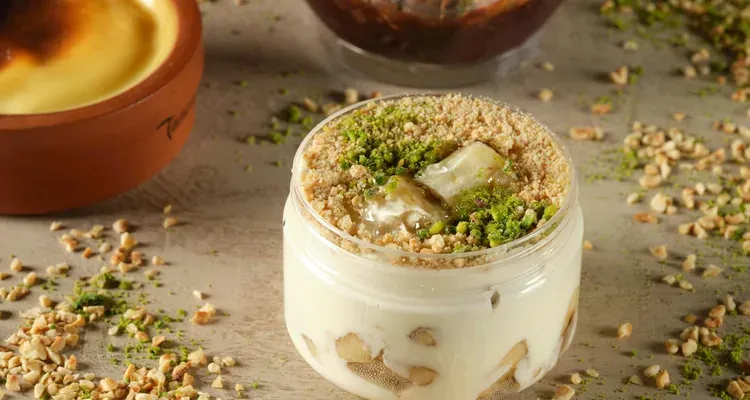
Mahalabia is a beloved Egyptian milk pudding, renowned for its silky texture and delicate flavor. This classic dessert is made with simple ingredients—milk, sugar, and cornstarch—gently simmered to perfection, then chilled and garnished with nuts or rosewater. Mahalabia is a staple at celebrations and family gatherings, offering a refreshing, light finish to any Egyptian meal.
Key Takeaways
- Mahalabia is a traditional Egyptian dessert pudding made from milk, sugar, and cornstarch, often flavored with rosewater or orange blossom.
- This pudding is commonly served chilled and garnished with pistachios or almonds for added texture and flavor.
- Mahalabia is a popular treat during Ramadan and festive occasions across Egypt.
- The recipe is naturally gluten-free, making it accessible to a wide range of dietary needs.
- Variations of mahalabia exist throughout the Middle East, but the Egyptian version is distinct for its simplicity and creaminess.
Discovering Mahalabia: A Taste of Egyptian Heritage
Egyptian cuisine is a tapestry of ancient flavors and comforting sweets, and Egypt is famous for its desserts. Among them, mahalabia stands out as a timeless favorite. This creamy milk pudding, with roots dating back centuries, is found in homes and restaurants across the country. Its appeal lies in its smooth, custard-like consistency and subtle floral notes, making it both nostalgic and universally appealing. Whether enjoyed as a light dessert after a hearty meal or as a sweet treat during Ramadan, mahalabia connects generations through its simplicity and elegance.
While exploring Egyptian culinary traditions, you might also encounter other iconic sweets such as basbousa and taameya, each with its own unique story and flavor profile. Mahalabia, however, is prized for its versatility and ease of preparation, making it a staple in Egyptian homes and a must-try for visitors seeking an authentic taste of Egypt.
Essential Ingredients and Tools for Authentic Mahalabia
The beauty of mahalabia lies in its simplicity. The core ingredients are readily available and require minimal preparation. For the classic Egyptian version, you'll need fresh whole milk, white sugar, cornstarch (which serves as the thickening agent), and a hint of rosewater or orange blossom water for fragrance. Some families add a splash of vanilla or a sprinkle of ground cardamom for extra depth.
To achieve the perfect creamy texture, use a heavy-bottomed saucepan to prevent scorching, and a whisk to ensure the mixture remains lump-free. Once thickened, mahalabia is poured into individual serving bowls or cups, then chilled until set. Before serving, it's traditionally topped with chopped pistachios, almonds, or a dusting of cinnamon for a touch of color and crunch.
Step-by-Step: How to Make Creamy Egyptian Mahalabia
Making mahalabia at home is straightforward and rewarding. Begin by dissolving cornstarch in a small amount of cold milk to form a smooth slurry—this prevents lumps. In a saucepan, combine the remaining milk and sugar, gently heating until the sugar dissolves. Gradually whisk in the cornstarch mixture and continue cooking over medium heat, stirring constantly, until the pudding thickens and coats the back of a spoon.
Remove the pan from the heat and stir in rosewater or orange blossom water, adjusting to taste. Pour the pudding into serving dishes and let cool to room temperature before refrigerating. After a few hours, your mahalabia will be set and ready to enjoy. For a festive touch, garnish each bowl with chopped nuts or a drizzle of syrup.
Recipe Table: Classic Egyptian Mahalabia
| Ingredient | Quantity | Notes |
|---|---|---|
| Whole Milk | 1 liter | For a richer pudding, use full-fat milk |
| Sugar | 100 grams (1/2 cup) | Adjust to taste |
| Cornstarch | 60 grams (1/2 cup) | For thickening |
| Rosewater/Orange Blossom Water | 1–2 teaspoons | Optional, for aroma |
| Chopped Pistachios/Almonds | 2 tablespoons | For garnish |
Serving, Pairing, and Presentation Tips
Mahalabia is best enjoyed chilled, making it an ideal dessert for Egypt’s warm climate. For an elegant presentation, serve in glass bowls to showcase its creamy texture and vibrant nut garnish. During festive occasions, you can layer mahalabia with fruit compote or drizzle with honey for added richness.
This pudding pairs beautifully with strong Egyptian coffee or mint tea, balancing the sweetness with a refreshing finish. If you’re planning a culinary-themed trip, consider joining a Marsa Alam Day Tour to experience authentic Egyptian flavors firsthand.
Variations Across Egypt and the Middle East
While mahalabia is distinctly Egyptian, similar milk puddings appear throughout the Middle East, each with regional twists. In Egypt, the focus remains on a pure, creamy base with subtle floral notes. Other cultures may incorporate saffron, coconut, or dried fruit. Exploring these variations is a delightful way to appreciate the shared culinary heritage of the region.
If you’re interested in broader culinary adventures, a Trip to Dubai and Egypt offers the opportunity to sample both Egyptian and Gulf-style milk puddings in one journey.
Where to Taste the Best Mahalabia in Egypt
For visitors eager to sample authentic mahalabia, Cairo’s vibrant food scene offers endless options. Many traditional restaurants and dessert shops near landmarks like The Egyptian Museum of Cairo serve freshly made mahalabia alongside other classic sweets. In luxury hotels and on Nile cruises such as the Medea Nile Cruise, you’ll often find mahalabia on the dessert menu, elegantly presented for discerning travelers.
For a deeper dive into Egypt’s culinary and cultural heritage, consider a visit to The National Museum of Egyptian Civilization, where you can explore Egypt’s food traditions through the ages.
Planning a Culinary Journey Through Egypt
Food lovers can combine sightseeing with gastronomy by booking an 8-Day Egypt Experience Tour, which includes stops at top attractions and opportunities to taste local specialties. For those seeking a unique experience, a Grand Egyptian Museum Tour from Alexandria can be paired with a culinary exploration of Cairo’s best dessert shops.
Pairing Mahalabia with Other Egyptian Dishes
Mahalabia’s light, creamy profile makes it the perfect finish to a traditional Egyptian meal. It complements savory dishes such as macarona bechamel or grilled meats, balancing rich flavors with a gentle sweetness. For a complete Egyptian dining experience, try pairing mahalabia with a classic main course and a refreshing mint tea.
On a Kon Tiki Cruise, you can savor a variety of Egyptian dishes and desserts while gliding along the Nile, immersing yourself in the flavors and scenery of the country.
Mahalabia for Every Occasion
Whether served at family gatherings, religious celebrations, or upscale restaurants, mahalabia holds a special place in Egyptian hearts. Its versatility allows for endless creativity, from simple everyday treats to elaborate festive desserts. If you’re inspired to recreate the magic at home, follow the classic recipe and customize the toppings to suit your taste.
For travelers interested in combining history with cuisine, a Trip to Giza Pyramids and Egyptian Museum offers the perfect blend of sightseeing and culinary discovery.
Frequently Asked Questions
What is the key flavor in Egyptian mahalabia?
The key flavor in Egyptian mahalabia is the subtle aroma of rosewater or orange blossom water, which gives the milk pudding its distinct floral note without overpowering its creamy base.
Is mahalabia gluten-free?
Yes, Egyptian mahalabia is naturally gluten-free because it uses cornstarch as the thickening agent instead of wheat flour, making it suitable for those with gluten sensitivities.
Can I make mahalabia ahead of time?
Mahalabia is ideal for making ahead, as it needs to be chilled for several hours or overnight to set properly; simply prepare, refrigerate, and garnish just before serving.
What are traditional toppings for mahalabia?
Traditional toppings for mahalabia include chopped pistachios, almonds, or a sprinkle of cinnamon, while some variations may add a drizzle of syrup or fruit compote for extra flavor.
Where can I try authentic mahalabia in Egypt?
Authentic mahalabia can be enjoyed at many restaurants, dessert shops, and luxury hotels across Egypt, especially in Cairo near attractions like The Grand Egyptian Museum and along Nile cruises.
How does Egyptian mahalabia differ from other Middle Eastern versions?
Egyptian mahalabia is known for its pure, creamy texture and subtle floral aroma, whereas other Middle Eastern versions may include additional flavors like saffron, coconut, or dried fruits.
Is mahalabia served warm or cold?
Mahalabia is traditionally served cold, making it a refreshing dessert, especially during Egypt’s warm seasons or after a hearty meal.
Can I find mahalabia during Nile cruises?
Mahalabia is often featured on the dessert menus of luxury Nile cruises, such as the Medea Nile Cruise, allowing travelers to enjoy this classic sweet while exploring the river’s wonders.
What other Egyptian desserts should I try?
Other must-try Egyptian desserts include basbousa, a semolina cake soaked in syrup, and taameya, the Egyptian version of falafel, both of which are integral to the country’s culinary heritage.
Can I include mahalabia in a multi-country culinary tour?
Yes, multi-country tours like the 4 days Cairo and Petra tour or a combined Egypt and Dubai trip offer opportunities to sample Egyptian mahalabia alongside other regional specialties.