

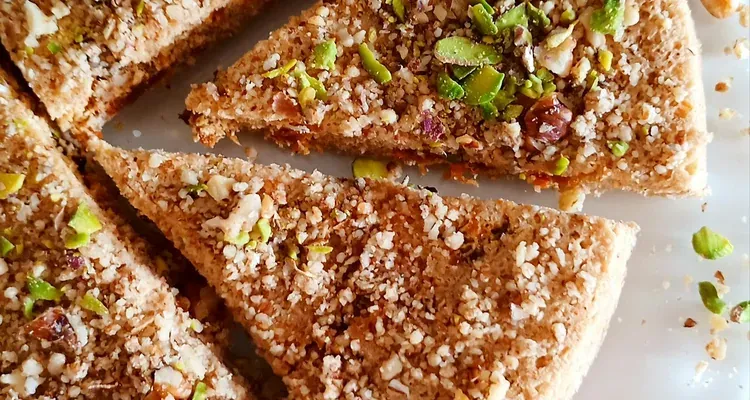
Basbousa: Egyptian Semolina Cake Recipe
Basbousa is a beloved Egyptian dessert made from semolina, sweetened with fragrant sugar syrup, and often topped with almonds or coconut. To prepare authentic basbousa at home, mix semolina, yogurt, sugar, and butter, bake until golden, then soak with syrup for a moist, irresistible treat. This easy recipe captures the essence of Egyptian hospitality and festive gatherings.
Key Takeaways
- Basbousa is a classic Egyptian semolina cake, traditionally served during holidays and celebrations.
- The cake uses simple ingredients: coarse semolina, yogurt, sugar, butter, and a touch of coconut or nuts for garnish.
- Sweet syrup, often flavored with rose or orange blossom water, is poured over the cake after baking for signature moistness.
- Basbousa is commonly found at Egyptian bakeries and is a staple of family gatherings and festive events.
- Variations exist across the Middle East, but the Egyptian version is distinct for its texture and syrupy finish.
Discovering Basbousa: The Heart of Egyptian Dessert Culture
Egyptian cuisine is a vibrant tapestry of flavors, and basbousa stands out as a timeless favorite. This semolina cake is more than a dessert; it’s a symbol of warmth, celebration, and togetherness. Whether enjoyed at a bustling Cairo café or as a homemade treat after a family meal, basbousa embodies the spirit of Egyptian hospitality. Its golden color, delicate sweetness, and tender crumb make it a must-try for anyone exploring the sweet side of Egypt.
What Makes Basbousa Unique Among Egyptian Sweets?
Basbousa’s charm lies in its simplicity and versatility. The base is coarse semolina, which gives the cake its characteristic grainy texture. Unlike other desserts, basbousa is not overly rich, making it a popular choice for both festive occasions and everyday indulgence. The syrup, often infused with orange blossom or rose water, seeps into the cake, creating a luscious, moist bite in every piece. For travelers interested in Egyptian pastries, basbousa offers a delicious introduction, much like the famed feteer meshaltet and balah el sham.
Basbousa Ingredients: Traditional and Modern Twists
The classic recipe calls for coarse semolina, plain yogurt, granulated sugar, melted butter or ghee, baking powder, and a pinch of salt. Coconut flakes and blanched almonds are common toppings, though some families add a hint of vanilla or swap yogurt for milk. The syrup is typically made with sugar, water, and lemon juice, then finished with floral water for an aromatic touch. For those seeking more Egyptian recipes, exploring Egyptian shawarma offers a savory counterpoint to basbousa’s sweetness.
Step-by-Step: How to Make Authentic Basbousa
To prepare basbousa, begin by combining semolina, sugar, baking powder, melted butter, and yogurt in a bowl. Mix until a thick batter forms, then spread evenly in a greased baking dish. Score the top into diamond or square shapes, pressing an almond into each piece. Bake until golden brown—typically 30–35 minutes. While the cake bakes, prepare the syrup by simmering sugar, water, and lemon juice until slightly thickened, then add rose or orange blossom water. Pour the hot syrup over the freshly baked cake, allowing it to soak in fully before serving.
Basbousa in Egyptian Celebrations and Daily Life
Basbousa is a fixture at Egyptian celebrations, from Ramadan iftars to weddings and family gatherings. Its presence is as essential as the iconic pyramids are to Egypt’s landscape. The cake is often part of lavish dessert spreads, alongside other favorites like feteer and konafa. During special events, such as those featured in Famous Egypt Events Tours, basbousa is served to guests as a gesture of welcome and joy.
Where to Savor Basbousa in Egypt
Visitors can find basbousa in bakeries, cafés, and dessert shops across Egypt. In Cairo, try it after a visit to The Egyptian Museum of Cairo or while exploring the historic streets of Fustat near The National Museum of Egyptian Civilization. Luxurious Nile cruises, such as the Blue Shadow I Nile Cruise, often feature basbousa on their dessert menus, offering guests a taste of tradition as they sail between ancient temples.
Basbousa Variations Across Egypt and Beyond
Regional differences add a delightful diversity to basbousa. In Alexandria, coconut is a common addition, while in Upper Egypt, the cake may be denser and more intensely flavored. Across the Middle East, similar cakes go by names like harissa or revani, but the Egyptian version stands out for its balance of sweetness and texture. Sampling basbousa during an 8-Day Egypt Experience Tour or a solar eclipse itinerary offers a delicious window into local customs.
Pairing Basbousa with Other Egyptian Delicacies
Basbousa pairs beautifully with mint tea or strong Egyptian coffee, making it a perfect end to a meal. For a full culinary journey, enjoy it after sampling savory classics on a day tour of Cairo’s highlights. Dessert lovers may also want to try konafa, rice pudding, or the fried dough treat balah el sham, each offering unique flavors and textures that complement basbousa’s subtle sweetness.
Tips for Perfect Basbousa at Home
For best results, use coarse semolina for a classic texture, and don’t overmix the batter to keep the cake tender. Pour the syrup while the cake is hot to ensure it absorbs fully. Experiment with toppings—coconut, pistachios, or almonds—to suit your taste. If you’re planning a culinary-themed trip, consider including a Grand Egyptian Museum Tour from Alexandria for inspiration from ancient feasts and flavors.
Basbousa and Egyptian Hospitality
Serving basbousa is an expression of hospitality, a tradition that echoes through Egyptian homes and celebrations. It is customary to offer a slice to guests, accompanied by stories and laughter. This spirit of sharing is reflected in Egypt’s vibrant culture, whether experienced on a MY Alyssa Nile Cruise or during a solar eclipse tour that brings together travelers from around the world.
Basbousa’s Place in Egypt’s Culinary Heritage
Basbousa is not just a dessert; it’s a piece of Egypt’s cultural heritage, celebrated in homes, bakeries, and during major festivals. Its enduring popularity speaks to the Egyptian love of sweet, comforting flavors and the joy of sharing food. For those who wish to dive deeper into Egypt’s culinary traditions, a visit to The Grand Egyptian Museum or participation in a Famous Egypt Events Tour can offer further insight into the country’s rich gastronomic legacy.
Bringing the Flavors of Egypt Home
Making basbousa at home is a delightful way to connect with Egyptian culture, whether you’re inspired by a journey along the Nile or by tales of ancient feasts. For more culinary adventures, explore our guides to Egyptian shawarma or plan your next trip with an Egypt Solar Eclipse Itinerary for a truly immersive experience.
Frequently Asked Questions
What is basbousa made of?
Basbousa is made from coarse semolina, sugar, yogurt, melted butter or ghee, baking powder, and is topped with nuts or coconut, then soaked in a sweet syrup flavored with rose or orange blossom water.
Is basbousa gluten-free?
Traditional basbousa is not gluten-free because it uses semolina, which is made from wheat; however, gluten-free versions can be made using alternative flours.
How is basbousa different from other Middle Eastern semolina cakes?
Basbousa stands out for its moist texture and sweet syrup, which is poured over the cake after baking, and it is less dense than some regional variants like harissa or revani.
Can basbousa be made in advance?
Basbousa can be made a day ahead and actually improves in flavor and texture as the syrup fully absorbs; store it covered at room temperature for up to three days.
Where can I try authentic basbousa in Egypt?
Authentic basbousa is available at most Egyptian bakeries and dessert shops, especially in cities like Cairo and Alexandria, and is often served on Nile cruises and during special event tours throughout Egypt.