

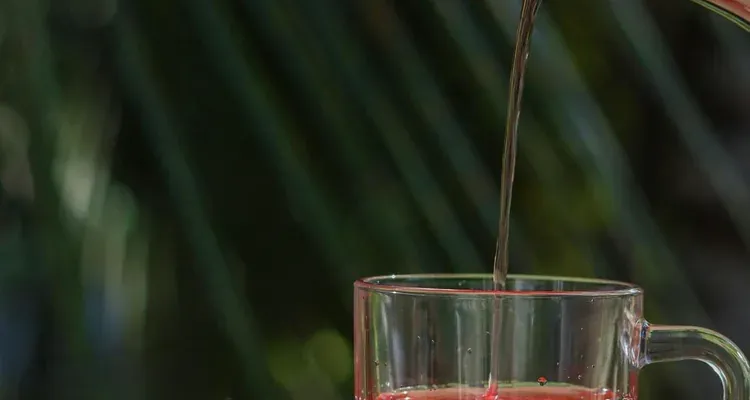
Karkade, known internationally as Egyptian hibiscus tea, is a vibrant crimson beverage made from dried hibiscus petals, celebrated for its tart flavor and cooling properties. Served hot or cold, karkade is a beloved staple in Egyptian homes and cafes, especially during festive occasions and warm weather. Preparing karkade at home is simple, requiring only dried hibiscus flowers, water, and sugar, making it an accessible and refreshing taste of Egypt’s culinary heritage.
Key Takeaways
- Karkade is a traditional Egyptian tea brewed from dried hibiscus petals, enjoyed hot or cold.
- The tea is naturally caffeine-free and celebrated for its tart, cranberry-like flavor and deep red color.
- Karkade is popular during Ramadan and festive gatherings, and often served to guests as a gesture of hospitality.
- The drink is easy to make at home with just a few ingredients: hibiscus petals, water, and sugar or honey.
- Hibiscus tea is also valued for its potential health benefits, including supporting heart health and hydration.
The Story of Karkade: Egypt’s Iconic Hibiscus Tea
Karkade, pronounced “kar-ka-day,” has roots stretching back centuries in Egypt, where the hibiscus sabdariffa plant thrives in the Nile Valley’s warm climate. The drink’s striking ruby hue and tangy taste have made it a symbol of Egyptian hospitality and celebration. Traditionally, karkade is offered to guests at weddings, holidays, and special occasions, reflecting the country’s emphasis on welcoming visitors with refreshing flavors and vibrant colors.
Across Egypt, you’ll find karkade in bustling Cairo cafes, on Nile cruise ships, and at family gatherings. The tea’s popularity endures thanks to its versatility: served chilled in the heat of summer or steaming hot on cooler evenings, karkade adapts to every season and mood.
What Does Karkade Taste Like?
Karkade’s flavor is distinctively tart, reminiscent of cranberries or pomegranate, with subtle floral undertones. The dried hibiscus petals infuse the water with a bold, tangy essence, balanced by sweeteners like sugar or honey to suit personal preference. This unique taste profile makes karkade both invigorating and thirst-quenching, especially when served over ice.
Hibiscus Tea in Egyptian Culture
In Egypt, karkade is more than just a beverage—it’s woven into the fabric of daily life and celebration. During Ramadan, karkade is a favorite for breaking the fast, offering hydration and a burst of flavor after a long day. It’s also a popular choice at weddings, where its deep red color symbolizes happiness and prosperity. The tradition of sharing karkade with guests reflects the Egyptian value of generosity, much like the custom of serving classic Egyptian shai (black tea) after a meal.
Health Benefits of Karkade
Beyond its cultural significance, karkade is appreciated for its healthful properties. Hibiscus petals are rich in antioxidants, vitamin C, and minerals, contributing to the tea’s reputation for supporting heart health and immune function. Studies suggest that regular consumption of hibiscus tea may help maintain healthy blood pressure and cholesterol levels, though it’s best enjoyed as part of a balanced lifestyle.
Another advantage is that karkade is naturally caffeine-free, making it an excellent alternative to black or green tea for those seeking a soothing, non-stimulating drink. Its hydrating qualities also make it ideal for Egypt’s hot climate, especially when served cold alongside other traditional refreshments like Egyptian snacks.
How to Make Authentic Egyptian Karkade at Home
Preparing karkade is wonderfully straightforward, requiring only a handful of ingredients and minimal effort. Here’s how to create this iconic Egyptian drink in your own kitchen:
Ingredients
- 1 cup dried hibiscus petals (available at Middle Eastern or specialty stores)
- 4 cups cold water
- 1/2–1 cup sugar or honey, to taste
- Lemon slices or fresh mint (optional, for garnish)
Instructions
- Rinse the dried hibiscus petals under cold water to remove any dust.
- Combine petals and water in a large pot. Bring to a gentle boil, then reduce heat and simmer for 10–15 minutes.
- Strain the liquid into a pitcher, discarding the petals.
- Add sugar or honey while the tea is warm, stirring until dissolved. Adjust sweetness to taste.
- For hot karkade, serve immediately. For cold karkade, chill in the refrigerator and serve over ice, garnished with lemon or mint if desired.
Tips for the Perfect Karkade
- Steeping time affects tartness: longer simmering yields a bolder flavor.
- For a lighter taste, dilute with extra water or add more sweetener.
- Experiment with spices like cinnamon or cloves for a festive twist.
Where to Experience Karkade in Egypt
Sampling karkade in its homeland is a treat for any traveler. Visitors will find hibiscus tea served in traditional cafes, luxury hotels, and on Nile cruises. For an immersive experience, consider enjoying karkade while sailing on the MS La Traviata Nile Cruise or unwinding after a day of sightseeing at the Grand Egyptian Museum café.
Many local markets and spice shops sell dried hibiscus petals, making it easy to bring a taste of Egypt home. Karkade is also commonly included in the welcome drink selection at luxury resorts and during festive events, ensuring every guest experiences this quintessential Egyptian refreshment.
Karkade Pairings: Sweets and Snacks
Karkade’s tartness pairs beautifully with classic Egyptian desserts and savory bites. Enjoy a glass alongside syrupy pastries like kunafa, or with crunchy, nutty dukkah and fresh bread. The tea’s vibrant acidity balances sweet and rich flavors, making it a versatile companion at any table.
During Ramadan, karkade is often served with dates, baklava, and a variety of mezze, providing a refreshing counterpoint to the evening feast. Whether enjoyed in a bustling Cairo market or on a tranquil riverbank, karkade brings people together in celebration of Egypt’s rich culinary traditions.
Bringing Karkade Home: Souvenirs and Culinary Adventures
For travelers seeking to relive their Egyptian adventures, dried hibiscus petals make an excellent souvenir. They are lightweight, easy to pack, and evoke memories of warm hospitality and vibrant flavors. Many visitors include a stop at a local spice market or specialty shop as part of their Egypt itinerary to purchase authentic karkade petals and other culinary treasures.
If you’re exploring Egypt’s many wonders, from the National Museum of Egyptian Civilization to the timeless banks of the Nile, be sure to pause and savor a glass of karkade. It’s a simple pleasure that connects you to centuries of tradition and the heart of Egyptian hospitality.
Frequently Asked Questions
What is karkade made from?
Karkade is made from dried hibiscus petals, which are steeped in water and sweetened with sugar or honey to create a tart, ruby-red tea.
Is karkade served hot or cold?
Karkade can be enjoyed both hot and cold; it is often served chilled in summer and hot during cooler months or festive occasions.
Does karkade contain caffeine?
Karkade is naturally caffeine-free, making it a suitable beverage for those avoiding stimulants or seeking a relaxing drink at any time of day.
Where can I buy dried hibiscus petals?
Dried hibiscus petals for karkade can be found at Middle Eastern markets, specialty spice shops, or online retailers that stock international ingredients.
Are there any health benefits to drinking karkade?
Karkade is rich in antioxidants and vitamin C, and studies suggest it may support heart health and hydration, though it should be enjoyed as part of a balanced diet.
Can I find karkade in Egyptian restaurants abroad?
Many Egyptian and Middle Eastern restaurants abroad serve karkade, especially during holidays or as part of their traditional drinks menu.